
Views: 212 Author: Miluo Smart Home Publish Time: 2026-08-01 Origin: Site


Content Menu
● Understanding Resin Stone in Hospitality Applications
● Resin Stone vs Traditional Materials: A Cost Perspective
>> Initial Investment vs Lifecycle Value
● Durability and Maintenance: The Hidden Cost Drivers
>> Why Durability Matters in High-Traffic Hotels
● Design Flexibility and Brand Consistency
● Logistics and Installation Efficiency
>> Weight and Transport Optimization
● Real Industry Case: Cost Reduction Through Material Upgrade
● Sustainability and Environmental Impact
>> Resin Stone Environmental Benefits
>> Comparison with Traditional Materials
● Expert Insight: What Procurement Managers Often Overlook
● Practical Evaluation Checklist for Buyers
>> Material Selection Criteria
● Why Manufacturers Like Jiaxing Miluo Matter
● Investing for Long-term Value
● FAQs
>> 1. Is resin stone more expensive than acrylic bathtubs?
>> 2. Can resin stone bathtubs be repaired?
>> 3. How long do resin stone products last in hotels?
>> 4. Is resin stone suitable for luxury hotel design?
>> 5. Does resin stone support custom designs for branding?
For hotel owners, developers, and procurement managers, long-term refurbishment cost control is one of the most critical factors in maintaining profitability and brand consistency. From my experience working with international hospitality projects and sanitary ware manufacturers, one material has consistently proven to outperform traditional options: resin stone.
When comparing resin stone vs traditional materials (ceramic, acrylic, cast iron, natural stone), the difference becomes clear—not just in aesthetics, but in lifecycle cost, durability, and operational efficiency.
Resin stone, also known as solid surface composite, is a blend of natural minerals and high-performance resins. It is engineered to deliver the look of natural stone with superior consistency and durability.
In hotel environments, it is widely used for:
- Bathtubs
- Countertops
- Integrated bathroom systems
Unlike traditional materials, resin stone is non-porous, repairable, and highly customizable, making it particularly suitable for large-scale hospitality projects.

At first glance, resin stone products may appear slightly more expensive than acrylic or ceramic alternatives. However, this perspective changes dramatically when evaluating total lifecycle costs.
Traditional Materials Challenges:
- Acrylic: prone to scratching and discoloration
- Ceramic: brittle and difficult to repair
- Natural stone: heavy, porous, and high maintenance
- Cast iron: expensive logistics and limited design flexibility
Resin Stone Advantages:
- Long service life (10–20+ years with proper care)
- Minimal maintenance requirements
- Repairable surface reduces replacement frequency
- Consistent quality across bulk production
Key Insight:
Hotels that prioritize upfront savings often face higher replacement and maintenance costs within 3–5 years.
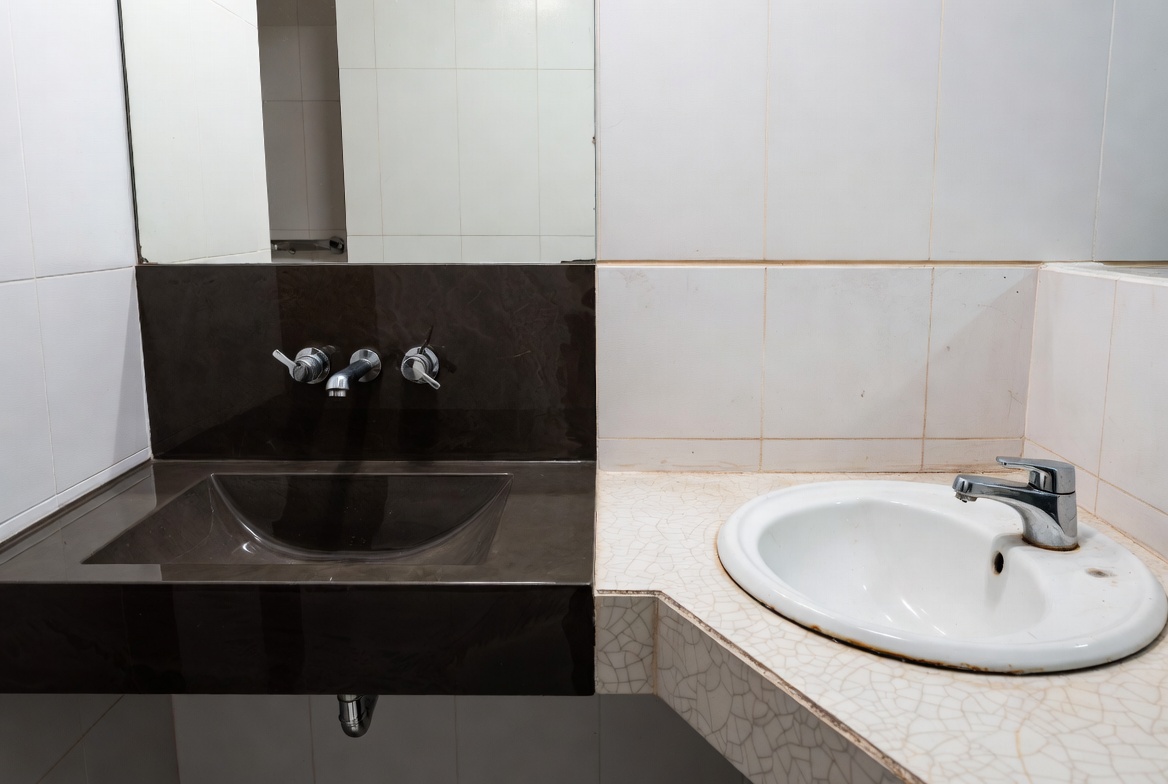
Hotel bathrooms are subjected to:
- Daily high-frequency usage
- Cleaning chemicals
- Moisture and temperature fluctuations
Traditional materials degrade under these conditions. Resin stone, however, is engineered for resilience.
Performance Comparison:
- Scratch resistance: Resin stone performs significantly better than acrylic
- Impact resistance: Less prone to cracking compared to ceramic
- Chemical resistance: Withstands cleaning agents without surface damage
- Water absorption: Near-zero, preventing mold and staining
Maintenance teams often face recurring issues with traditional materials:
- Surface cracks
- Stains and discoloration
- Difficult repairs requiring full replacement
With resin stone:
- Minor scratches can be polished or repaired on-site
- No need for full unit replacement
- Reduced downtime for hotel rooms
Operational Impact Example:
A 200-room hotel replacing bathtubs every 5 years vs extending lifespan to 12+ years can reduce refurbishment cycles by more than 50%.
From a brand management perspective, consistency across properties is essential. Resin stone enables:
- Seamless integrated designs
- Custom shapes and dimensions
- Matte or glossy finishes
- Uniform color matching across production batches
Traditional materials often struggle with:
- Color variation (natural stone)
- Limited mold flexibility (ceramic, cast iron)
- Visible seams (acrylic assemblies)
Modern travelers expect:
- Minimalist aesthetics
- Premium tactile experience
- Clean, seamless surfaces
Resin stone delivers a "luxury feel" without luxury maintenance costs, making it ideal for:
- Boutique hotels
- Luxury resorts
- High-end serviced apartments
Compared to natural stone and cast iron, resin stone is significantly lighter.
Benefits include:
- Lower shipping costs
- Easier handling on-site
- Reduced installation time
- Pre-fabricated integrated units reduce labor complexity
- Fewer joints mean fewer leakage risks
- Faster project completion timelines
For developers managing tight deadlines, this translates to:
- Faster room turnover
- Earlier revenue generation
A European hotel chain (mid-to-upscale segment) transitioned from acrylic bathtubs to resin stone across 12 properties.
Before (Acrylic):
- Replacement cycle: 4–6 years
- Frequent surface damage complaints
- High maintenance labor costs
After (Resin Stone):
- Replacement cycle extended beyond 10 years
- Maintenance requests reduced by 40%
- Guest satisfaction scores improved
Financial Outcome:
- Estimated 25–30% reduction in total bathroom lifecycle costs
This case highlights a key principle:
Material choice directly impacts operational efficiency and brand perception.
Sustainability is increasingly influencing procurement decisions in hospitality.
- Longer lifespan reduces waste
- Repairability minimizes disposal
- Lower replacement frequency reduces resource consumption
Some manufacturers also incorporate:
- Recycled materials
- Low-emission production processes
- Natural stone: high extraction impact
- Acrylic: petroleum-based, shorter lifespan
- Ceramic: energy-intensive firing process
For hotels pursuing sustainability certifications, resin stone supports:
- Reduced lifecycle emissions
- Improved material efficiency
From working closely with B2B buyers and hotel developers, a common mistake is focusing only on unit price instead of total cost of ownership (TCO).
1. Replacement frequency
2. Maintenance labor costs
3. Guest dissatisfaction and reviews
4. Operational downtime during repairs
5. Logistics and installation inefficiencies
Resin stone performs strongly across all these dimensions, making it a strategic investment rather than just a material choice.
When selecting bathroom materials for hotel projects, consider the following:
- Durability under high-frequency use
- Ease of maintenance and repair
- Customization capability
- Installation efficiency
- Lifecycle cost vs upfront cost
- Can the product be repaired on-site?
- What is the expected lifespan under hotel usage conditions?
- Is customization available for brand consistency?
- What are the logistics and lead times?
- Are there case studies in hospitality projects?
Working with experienced OEM/ODM suppliers such as Jiaxing Miluo Smart Home Co., Ltd. offers additional advantages:
- Deep expertise in resin stone manufacturing
- Ability to deliver customized, project-based solutions
- Consistent quality across bulk orders
- Integration of design, production, and logistics
For international brands and developers, this means:
- Reduced sourcing complexity
- Faster project execution
- Reliable long-term partnerships
The comparison between resin stone and traditional materials ultimately comes down to one principle:
Short-term savings often lead to long-term costs.
Resin stone offers:
- Superior durability
- Lower maintenance
- Greater design flexibility
- Reduced lifecycle costs
For hotels aiming to balance luxury, efficiency, and profitability, it is not just a material upgrade—it is a strategic decision.
If you are planning a hotel project or refurbishment and want to reduce long-term costs while elevating design quality, consider exploring customized resin stone solutions.
Partner with an experienced manufacturer who understands both product performance and project requirements to ensure the best results.
Yes, the upfront cost is typically higher, but the long-term savings in maintenance and replacement make it more cost-effective.
Yes. Minor scratches and damages can be easily repaired and polished on-site, unlike ceramic or acrylic.
With proper maintenance, they can last 10–20 years or more, significantly longer than many traditional materials.
Absolutely. It offers premium aesthetics, seamless finishes, and customization, making it ideal for high-end projects.
Yes. It allows for custom shapes, colors, and integrated designs, ensuring brand consistency across properties.
1. Solid Surface – What Is Solid Surface? https://www.solid-surface.com/what-is-solid-surface
2. Hotel Management – How Bathroom Design Impacts Hotel Revenue https://www.hotelmanagement.net/design/how-bathroom-design-impacts-hotel-revenue
3. ArchDaily – Solid Surface Materials Guide https://www.archdaily.com/solid-surface-materials-guide
4. Construction Review Online – Benefits of Solid Surface Materials https://www.constructionreviewonline.com/materials/benefits-of-solid-surface-materials
5. Statista – Hotel Industry Worldwide https://www.statista.com/topics/1102/hotels/


