
Views: 222 Author: Miluo Smart Home Publish Time: 2026-06-04 Origin: Site


Content Menu
● Understanding Artificial Stone (Stone Resin) Bathtubs
● Understanding Traditional Acrylic Bathtubs
● Artificial Stone Bathtubs: Key Advantages
● Artificial Stone Bathtubs: Main Drawbacks
● Acrylic Bathtubs: Key Advantages
● Acrylic Bathtubs: Main Limitations
● Quick Comparison: Artificial Stone vs Acrylic
● Design & Trend Insight: Where Each Material Fits in 2024–2026
● Practical Buying Framework: How to Choose for Your Project
● Expert OEM/ODM Perspective: What Matters When Customizing
● Simple Maintenance Advice for End Users
● When Artificial Stone Is the Better Choice
● Why Partner with Jiaxing Miluo Smart Home Co., Ltd.
● Call to Action: Plan Your Next Bathtub Line
● FAQs: Artificial Stone Bathtubs vs Acrylic
Artificial stone bathtubs and traditional acrylic tubs each serve very different needs in modern bathroom projects, especially for high‑end residential, hotel, and multi‑unit developments. For brands and buyers working with OEM/ODM partners like Jiaxing Miluo Smart Home Co., Ltd., the "right" choice usually depends on positioning, lifecycle cost, and design expectations—not just the initial price tag. [hanselstone]
In this in‑depth guide, I will walk through artificial stone (stone resin / solid surface) bathtubs vs. traditional acrylic from the perspective of:
- Real‑world performance (durability, heat retention, maintenance). [magnushomeproducts]
- Design and branding needs for overseas bathroom brands, wholesalers, and project buyers. [china-miluo]
- OEM/ODM feasibility with a manufacturer like Jiaxing Miluo Smart Home Co., Ltd. [jxmiluo.en.made-in-china]
Throughout the article, I'll share insights based on industry data and the kind of questions buyers repeatedly ask during project specifications and sample approval.

Artificial stone bathtubs—often called stone resin or solid surface bathtubs—are made from a mixture of natural mineral powder and high‑performance resin, molded into a single, seamless structure. They're designed to deliver the look and feel of natural stone while being more stable in quality, more manageable in weight, and easier to reproduce in OEM production. [hanselstone]
From a tactile and visual standpoint, a well‑made stone resin tub feels dense, smooth, and premium, with a matte or soft‑sheen finish that immediately signals "luxury" in the bathroom. This is one reason they are increasingly specified in high‑end residential projects, boutique hotels, and design‑driven villas where the bathtub doubles as a centerpiece. [empava]
Traditional acrylic bathtubs use a formed acrylic sheet backed with fiberglass to give the shell strength while keeping weight low and production relatively fast. Acrylic tubs are widely used because they are cost‑effective, lightweight, and easy to install, particularly in mass‑market residential and renovation projects. [madcitywindows]
When you tap an acrylic tub, it often sounds hollow and slightly flexible, which is normal for the material; in exchange, you get simpler logistics, easier handling on site, and lower upfront cost. For many middle‑market developers and installers, that trade‑off is acceptable as long as the product meets basic standards for warranty and appearance. [madcitywindows]
From both an engineer's and a designer's perspective, artificial stone bathtubs solve several pain points that appear in higher‑end projects.
1. Superior durability and lifespan
- Stone resin tubs are highly resistant to cracks, scratches, and surface deformation under normal residential and hotel use. [magnushomeproducts]
- With proper installation and basic care, they maintain their structure and finish for many years, which supports a lower lifecycle cost despite the higher upfront price. [hanselstone]
2. Excellent heat retention and comfort
- Compared with acrylic, artificial stone typically offers better thermal mass, helping bath water stay warm for longer, which directly improves the bathing experience. [magnushomeproducts]
- For spa‑like bathrooms and freestanding centerpiece tubs, this heat retention is often a non‑negotiable requirement from designers and hotel operators. [wellfor]
3. Premium aesthetics and tactile experience
- The surface can mimic natural stone, concrete, or ultra‑matte solid colors, aligning with contemporary minimalist and spa‑inspired bathroom trends. [empava]
- Because the material is cast in molds, you can achieve precise, sculptural forms that are difficult or costly in other materials, reinforcing a brand's premium positioning. [empava]
4. High customization potential with OEM/ODM
- Artificial stone is very suitable for custom molds, logo integration, color matching, and special shapes, making it ideal for private‑label bathtub programs. [jxmiluo.en.made-in-china]
- OEM/ODM manufacturers like Jiaxing Miluo Smart Home Co., Ltd. can adjust dimensions, edge radii, overflow positions, and even unique external geometries to match your brand concept or project standards. [miluobath.en.alibaba]
Even from an advocate's standpoint, it's important to be transparent about trade‑offs.
- Higher upfront cost: The raw materials, molds, and production process make artificial stone bathtubs more expensive than standard acrylic options, especially for small order quantities. [hanselstone]
- Heavier weight: Although lighter than natural stone, stone resin tubs are still significantly heavier than acrylic, which impacts transport, installation, and sometimes structural load considerations in older buildings. [magnushomeproducts]
For projects where budget and installation speed dominate, these two factors can push buyers to acrylic even when they like the look of stone resin.
Acrylic remains the workhorse material of the bathtub industry for good reasons.
1. Strong price–performance ratio
- Acrylic bathtubs are generally more affordable than artificial stone, making them attractive for mainstream retail lines, standard apartments, and cost‑sensitive renovations. [madcitywindows]
- They can still look modern and attractive when designed with clean lines and paired with the right faucets and panels.
2. Lightweight and easy to install
- Acrylic tubs are substantially lighter, which simplifies on‑site handling, reduces labor intensity, and lowers transport costs. [madcitywindows]
- For high‑rise projects or older buildings, this lighter weight can be decisive when elevators, staircases, or floor load limits are on the edge.
3. Wide range of options and fast availability
- Mass production and mature tooling mean acrylic tubs are available in many shapes, sizes, and configurations, from alcove and drop‑in to freestanding models. [madcitywindows]
- Lead times for standard models are generally shorter, which matters for projects under tight schedules.
4. Repair and refinishing possibilities
- Minor scratches or dullness can often be reduced or repaired using dedicated acrylic repair kits and refinishing services, extending the usable life of the product. [madcitywindows]
On the other hand, there are clear reasons why designers and high‑end brands increasingly move up from acrylic to artificial stone.
- Lower durability in demanding use: Acrylic shells are more prone to scratches, surface dulling, and occasional cracks if not properly installed or maintained. [madcitywindows]
- Weaker heat retention: Acrylic tends to lose heat more quickly than stone resin, so bathwater cools faster, which can reduce perceived comfort in long soaking baths. [magnushomeproducts]
- Cleaning sensitivity: Many acrylic products need mild, non‑abrasive cleaners only; harsh chemicals or rough sponges can damage the surface, increasing long‑term maintenance risk. [madcitywindows]
For premium hospitality or high‑ticket residential bathrooms, these limitations often conflict with the experience the owner is trying to deliver.
| Aspect | Artificial Stone (Stone Resin) | Traditional Acrylic |
|---|---|---|
| Core positioning | Premium / design‑driven bathrooms (hanselstone) | Mass market / budget‑sensitive projects (madcitywindows) |
| Durability | High; resistant to scratches and cracks (hanselstone) | Medium; more prone to wear and damage (madcitywindows) |
| Heat retention | Excellent, water stays warm longer (hanselstone) | Moderate to weak, cools faster (magnushomeproducts) |
| Weight | Medium‑high, heavier than acrylic (hanselstone) | Light, easy to move/install (madcitywindows) |
| Aesthetic effect | Stone‑like, matte, sculptural (hanselstone) | Glossy plastic look, standard forms (madcitywindows) |
| Customization (OEM/ODM) | Strong, good for unique shapes/colors (hanselstone) | Good for standard variations (madcitywindows) |
| Upfront cost | Higher investment (hanselstone) | More affordable (madcitywindows) |
| Typical applications | Luxury homes, villas, boutiques (hanselstone) | Apartments, mid‑range hotels (madcitywindows) |
Recent bathtub and bathroom design trends show a clear shift toward spa‑like retreats, nature‑inspired finishes, and bold centerpiece tubs. In this context, artificial stone bathtubs align perfectly with: [wellfor]
- Freestanding sculptural designs in matte white, concrete gray, or stone‑inspired finishes. [wellfor]
- Bathrooms that integrate natural textures, warm lighting, and smart features to create a wellness‑oriented space. [empava]
Acrylic still has a defined role where:
- Projects need fast, economical fit‑outs with acceptable visual appeal. [madcitywindows]
- The bathtub is functional but not the main design focus, such as secondary bathrooms or lower‑tier hotel categories.
For brands and wholesalers, this usually leads to a tiered product strategy: artificial stone as the flagship line, acrylic as the accessible or entry‑level series.
To make an objective choice between artificial stone bathtubs vs acrylic, focus on four practical dimensions that repeatedly appear in project discussions. [madcitywindows]
1. Target customer and positioning
- If your end customers expect luxury, Instagram‑worthy bathrooms, artificial stone is usually the more coherent choice.
- If your market is price‑driven or heavily volume‑based, acrylic may be the better commercial match.
2. Project type and lifecycle
- For high‑end hotels, serviced apartments, and premium residential developments, durability and long‑term brand perception often justify stone resin investment. [m.olearytub]
- For short‑cycle projects or rental units where turnover and renovation are more frequent, acrylic can balance cost and function.
3. Installation conditions
- Check floor loading, logistics routes, and bathroom size before committing to heavier freestanding stone tubs. [madcitywindows]
- For small bathrooms or challenging access (no elevator, narrow corridors), lighter acrylic tubs significantly reduce risk on site.
4. Brand strategy and differentiation
- If your brand story centers on minimalist design, wellness, and long‑term value, stone resin tubs create a clear competitive edge.
- If your brand needs broad coverage across channels and price bands, maintaining both artificial stone and acrylic lines under one OEM/ODM partner can be more strategic.
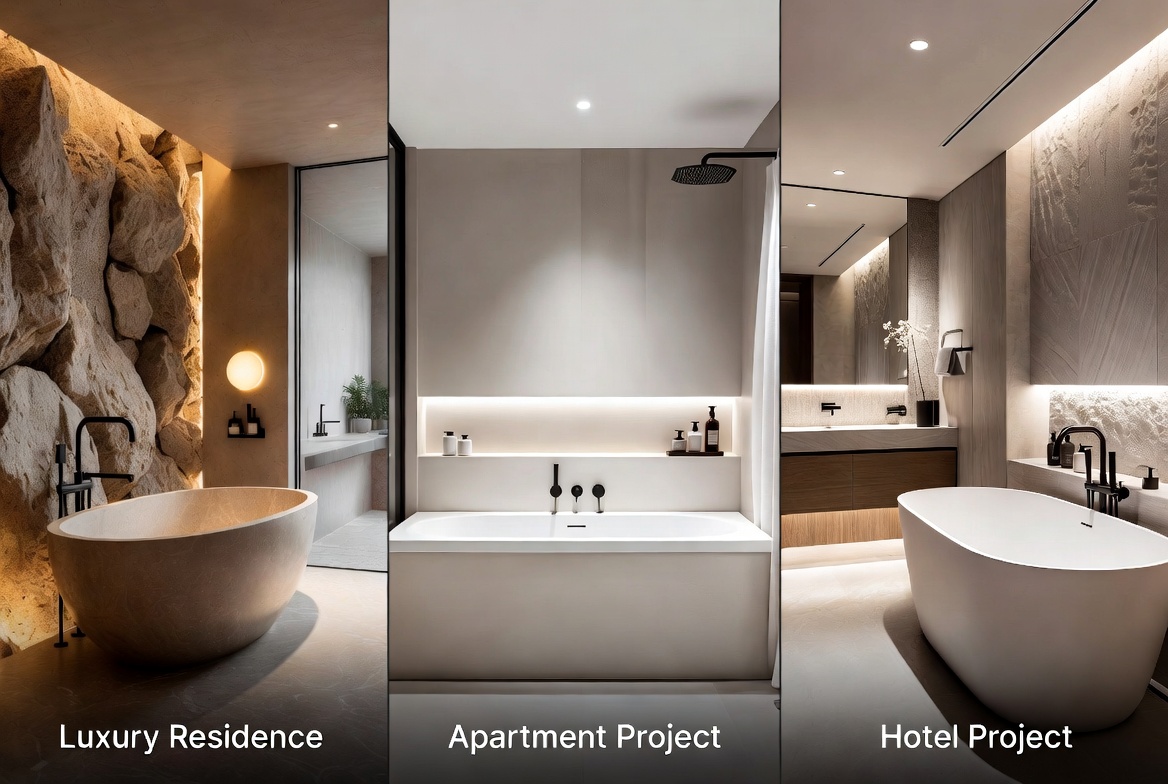
From an OEM/ODM manufacturing standpoint, the conversation is not just "stone vs acrylic" but also how far you want to push design and specification. Manufacturers like Jiaxing Miluo Smart Home Co., Ltd. focus on helping overseas brands and wholesalers translate concept boards into feasible, repeatable products. [china-miluo]
Key technical and commercial considerations include:
- Mold development and MOQ: Custom artificial stone bathtubs typically require mold investment and minimum order quantities; clear volume planning helps optimize cost per unit. [miluobath.en.alibaba]
- Material formulation and testing: High‑end projects increasingly ask for certifications, aging tests, and chemical resistance reports, especially for stone resin finishes. [m.olearytub]
- Interface details: Overflow style, drain location, integration with freestanding faucets or wall‑mounted mixers, and anti‑slip surface treatment are all defined in OEM/ODM drawings. [wellfor]
- Package design for export: Export‑oriented manufacturers refine carton, foam, pallet, and labeling to protect bathtubs during long‑distance shipping and warehousing. [china-miluo]
When these factors are planned up front, a brand can safely launch a differentiated bathtub line—whether in artificial stone, acrylic, or a combination—without excessive trial‑and‑error cost.
To ensure the bathtub delivers its full lifecycle value, brands and suppliers should educate end users with straightforward care guidelines.
For artificial stone bathtubs [hanselstone]
- Use mild, non‑abrasive cleaners and a soft cloth or sponge for regular cleaning.
- Avoid strong acids, paint removers, or sharp metal tools on the surface.
For acrylic bathtubs [madcitywindows]
- Only use acrylic‑safe cleaners and avoid rough scouring pads to prevent scratching.
- Wipe down after use to reduce water spots and maintain gloss.
Providing a clear one‑page care guide as part of your product documentation can significantly reduce after‑sales issues and negative reviews.
Based on current market trends and real project feedback, artificial stone bathtubs are usually the better long‑term choice when:
- You are building or supplying high‑end or design‑oriented bathrooms, where the bathtub acts as a visual focal point. [empava]
- The project owner values long‑term durability, heat retention, and a tactile "stone" feel over initial cost. [hanselstone]
- Your brand strategy emphasizes premium positioning, wellness, and materials and you want to reflect that in physical products.
In these scenarios, the extra investment in stone resin often turns into higher customer satisfaction, better online reviews, and a stronger brand perception in the market.
For overseas brands, wholesalers, and project buyers, choosing the right OEM/ODM bathtub manufacturer is just as important as choosing the material itself. Jiaxing Miluo Smart Home Co., Ltd. specializes in customized luxury bathroom products, including bathtubs, basins, bathroom cabinets, mirrors, and related accessories. [jxmiluo.en.made-in-china]
Working with an established manufacturer offers several advantages:
- Integrated product portfolio: Coordinate bathtubs with matching basins, vanities, and mirrors to create a consistent bathroom story under one brand. [miluobath.en.alibaba]
- OEM/ODM R&D capacity: Translate your mood boards and sketches into manufacturable bathtubs in artificial stone or acrylic, supported by technical drawings and sampling. [jxmiluo.en.made-in-china]
- Export‑ready operations: Experience in overseas markets (packaging, documentation, communication) shortens the learning curve for new collections. [china-miluo]
If you are planning to launch or upgrade your bathtub range, aligning early with a partner who understands both design language and industrial realities will save time and cost down the line.
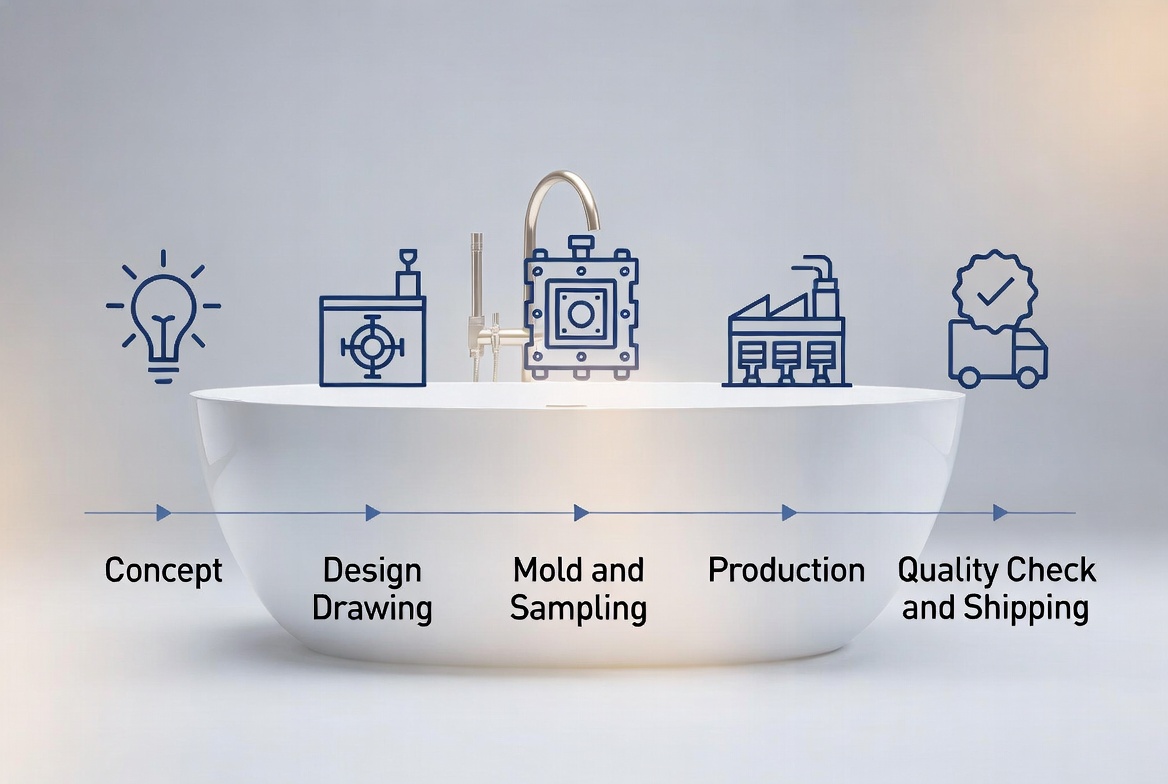
If you are a brand owner, wholesaler, or project contractor weighing artificial stone bathtubs vs acrylic for your next collection or project, this is the moment to define your material roadmap.
- Clarify your target segment and brand positioning.
- Decide which SKUs should be flagship stone resin designs and which can remain cost‑efficient acrylic models.
- Then collaborate with an experienced OEM/ODM partner like Jiaxing Miluo Smart Home Co., Ltd. to translate that roadmap into real products ready for your market. [miluobath.en.alibaba]
You can reach out with your concept drawings or specification list and explore tailored solutions in artificial stone and acrylic to match your brand and project needs. [china-miluo]
1. Are artificial stone bathtubs really worth the higher price?
For premium residential and hospitality projects, artificial stone bathtubs usually deliver better durability, heat retention, and perceived luxury, which often justifies the higher initial cost over their lifecycle. [magnushomeproducts]
2. Do artificial stone bathtubs require special cleaners?
They typically only need mild, non‑abrasive cleaners and a soft cloth; abrasive powders or harsh chemicals should be avoided to preserve the surface. [hanselstone]
3. When is acrylic still the best choice?
Acrylic is ideal when budget, fast installation, and lightweight handling are the main priorities—for example in standard apartments, entry‑level hotel rooms, or large‑volume renovation projects. [madcitywindows]
4. Can I customize the shape and color of an artificial stone bathtub?
Yes, stone resin is well‑suited to OEM/ODM customization, including unique shapes, custom dimensions, branding details, and special color or texture finishes, subject to tooling and MOQ. [jxmiluo.en.made-in-china]
5. Can one supplier provide both artificial stone and acrylic bathtubs?
Many specialized manufacturers, including Jiaxing Miluo Smart Home Co., Ltd., can supply both materials along with coordinated bathroom products, which simplifies sourcing and strengthens product consistency. [miluobath.en.alibaba]
1. KingKonree. "Artificial Stone Bathtubs vs. Traditional Acrylic: Making the Right Choice."
<https://www.kingkonree.com/artificial-stone-bathtubs-vs-traditional-acrylic-making-the-right-choice.html>
2. Hansel Stone. "Are Stone Bathtubs Better Than Acrylic or Not."
<https://www.hanselstone.com/blogs/news/are-stone-bathtubs-better-than-acrylic> [hanselstone]
3. Magnus Home Products. "Acrylic vs. Resin – The Ultimate Winner of an Affordable Bathtub."
<https://www.magnushomeproducts.com/blogs/inspired-living/acrylic-vs-resin-the-ultimate-winner-of-an-affordable-bathtub> [magnushomeproducts]
4. Mad City Windows. "Best Bathtub Material 2025 Comparison - Pros & Cons."
<https://madcitywindows.com/blog/most-popular-bathtub-material-comparison-pros-and-cons/> [madcitywindows]
5. Empava. "2024 Bathtub Design Trends: Luxury & Modern Ideas."
<https://empava.com/blogs/new/bathtub-design-trends> [empava]
6. WELLFOR. "Current Popular Design Trends of Freestanding Bathtubs."
<https://www.wellfor.com/blogs/buying-guides/current-popular-design-trends-of-freestanding-bathtubs> [wellfor]
7. Jiaxing Miluo Smart Home Co., Ltd. Company Profiles.
<https://www.china-miluo.com> [china-miluo]
<https://jxmiluo.en.made-in-china.com/company-Jiaxing-Miluo-Smart-Home-Co-Ltd-.html> [jxmiluo.en.made-in-china]
<https://miluobath.en.alibaba.com/company_profile.html> [miluobath.en.alibaba]


