
Views: 262 Author: Miluo Smart Home Publish Time: 2026-08-05 Origin: Site


Content Menu
● Why Wet Rooms Remain Popular
● Planning the Layout Correctly
● Materials That Improve Performance
● Design Trends Shaping Wet Bathrooms
● A Better Approach for Global Buyers
● What Buyers Should Ask Before Ordering
● Installation Mistakes to Avoid
● Why This Matters for OEM ODM Projects
● FAQ
>> 1. What is the difference between a wet bathroom and a standard bathroom?
>> 2. Are wet rooms suitable for small bathrooms?
>> 3. What materials are best for a wet room?
>> 4. Do wet rooms require professional installation?
>> 5. Why are wet rooms attractive for OEM and ODM bathroom projects?
A wet bathroom can transform an ordinary bathroom into a sleek, spa-like space. When designed well, it improves accessibility, maximizes visual openness, and supports a clean, modern aesthetic that many homeowners and commercial buyers now prefer.
But a successful wet room is more than a design trend. It depends on precise waterproofing, effective drainage, the right surface materials, and a layout that matches the way the space will actually be used.
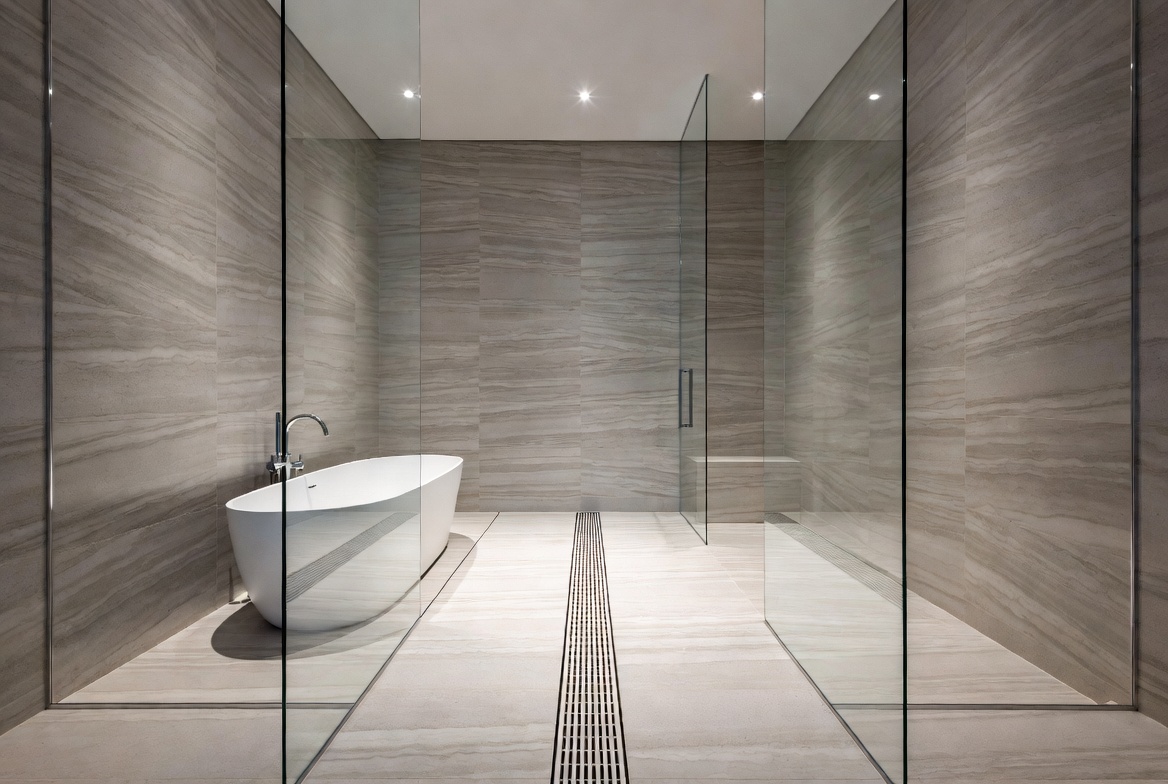
A wet bathroom, often called a wet room, is a fully waterproofed bathroom layout where the shower zone sits at the same level as the rest of the floor. In many designs, the shower area has little or no curb, which creates a seamless and spacious look.
This style is especially appealing in contemporary homes, hotel projects, and compact bathrooms where visual openness matters. It can also be a strong solution for accessibility-focused projects because it reduces barriers and supports easier movement.
Wet rooms continue to attract attention because they combine function with visual simplicity. Current bathroom trends show demand for open layouts, larger shower zones, and spa-like features, which aligns naturally with wet-room design.
They are also attractive for projects that want a modern, high-end feel without making the room look crowded. For designers and manufacturers, that creates a useful opportunity: the same layout principle can be adapted for luxury residences, hospitality spaces, and export-oriented housing products.
Wet rooms are not automatically the best choice for every project. They work best when the room has enough space for proper water management, or when the layout can be carefully engineered with a suitable drain position and waterproofing system.
They are especially effective in:
- Small bathrooms that need a more open appearance.
- Luxury bathrooms that prioritize a spa atmosphere.
- Accessible bathrooms where barrier reduction matters.
- Hospitality and residential projects that want a premium modern finish.
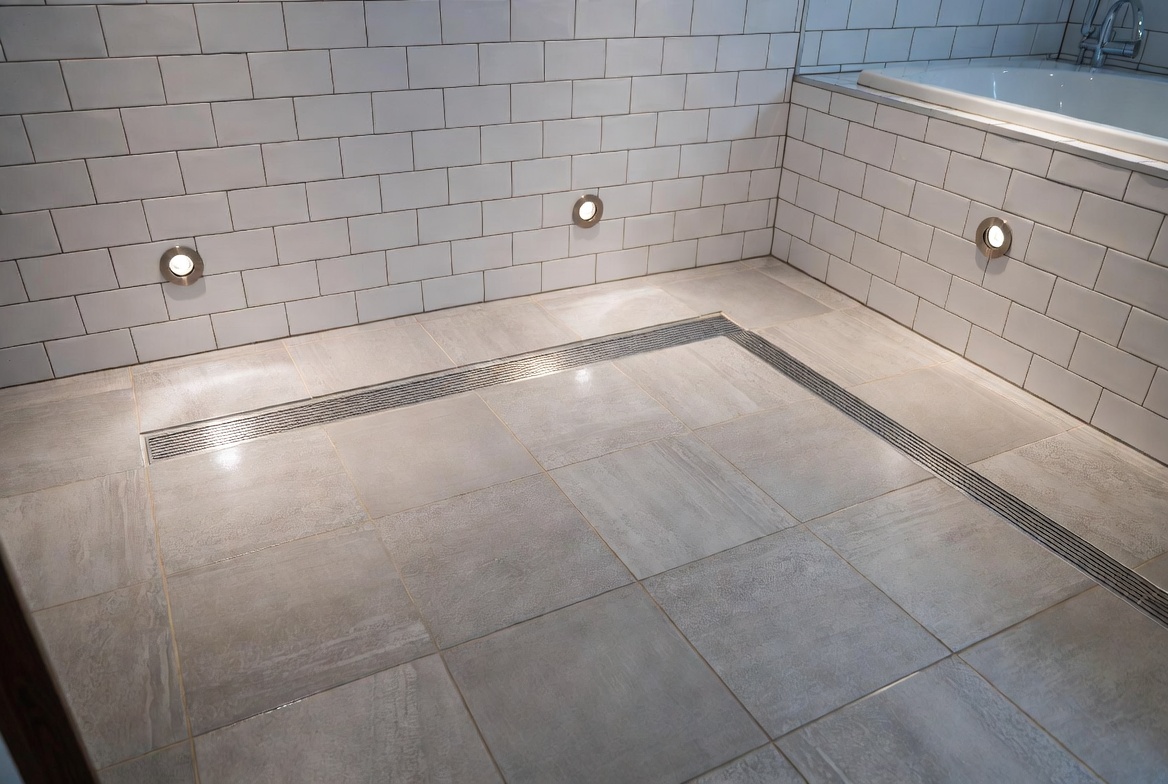
Good wet-room design starts with the floor. The shower area needs the right fall toward the drain so water moves efficiently and does not pool in unwanted areas.
Key planning points include:
- Drain placement.
- Floor gradient.
- Wall and floor waterproofing.
- Splash control.
- Ventilation and moisture management.
If any of these elements are poorly planned, the room may look attractive at first but become difficult to maintain over time.
The best wet bathrooms combine design appeal with practical durability. Materials should be selected not just for appearance, but for water resistance, easy cleaning, and long-term stability.
Popular choices include:
- Large-format tiles for a cleaner visual effect and fewer grout lines.
- Stone-inspired surfaces for a warmer, more natural look.
- Non-slip flooring for safety.
- Frameless glass for openness.
- Durable wall systems designed for wet environments.
For OEM and ODM projects, consistency in material performance is just as important as appearance. Buyers often want solutions that can be replicated across multiple markets while still allowing custom finishes, dimensions, and brand positioning.
Recent bathroom trends show a shift toward warmer, more natural, and more restorative spaces. Instead of stark, cold interiors, many projects now favor softer neutrals, textured finishes, and spa-inspired layouts.
This has important design implications:
- Warm neutral colors can make a wet room feel more inviting.
- Natural textures help balance the technical nature of waterproof surfaces.
- Seamless storage and hidden fixtures improve visual calm.
- Layered lighting supports both function and atmosphere.
For overseas brand owners, wholesalers, and manufacturers, the biggest value of a wet-room product line is flexibility. A strong supplier should be able to provide more than a single standard model; it should support customization in size, finish, drainage configuration, and package specification.
This is where an OEM/ODM partner adds real value:
- Custom sizing for different regional bathroom standards.
- Material and finish adjustments for target markets.
- Product matching for bathtubs, shower systems, and wall panels.
- Reliable manufacturing support for repeat orders and branded collections.
Before committing to a wet-room solution, buyers should evaluate both design and production capability. That includes waterproofing compatibility, installation simplicity, product tolerances, and whether the system can be scaled consistently across batches.
A practical checklist:
1. Is the system designed for easy drainage and long-term water control?
2. Can the products be customized for different markets?
3. Are the surfaces easy to clean and maintain?
4. Does the supplier support coordinated bathtub, shower, and wall solutions?
5. Can the design be adapted for residential, hospitality, or commercial use?
Many wet-room problems come from installation errors rather than from the concept itself. Common mistakes include insufficient waterproofing, poor slope design, weak ventilation, and using materials that are not meant for constant moisture exposure.
Avoiding these issues matters because wet rooms are designed to perform as a system. If one part fails, the whole room can suffer from leakage, maintenance problems, or reduced user comfort.
For suppliers, wet-room design is not only a product category. It is a systems-based business opportunity. Brands increasingly want coordinated bathroom solutions that combine visual appeal, durability, and customization under one supply chain.
That makes wet-room products especially valuable for export-focused manufacturers. When the supplier can offer a complete solution rather than isolated components, it becomes easier for buyers to launch collections, simplify sourcing, and improve project consistency.
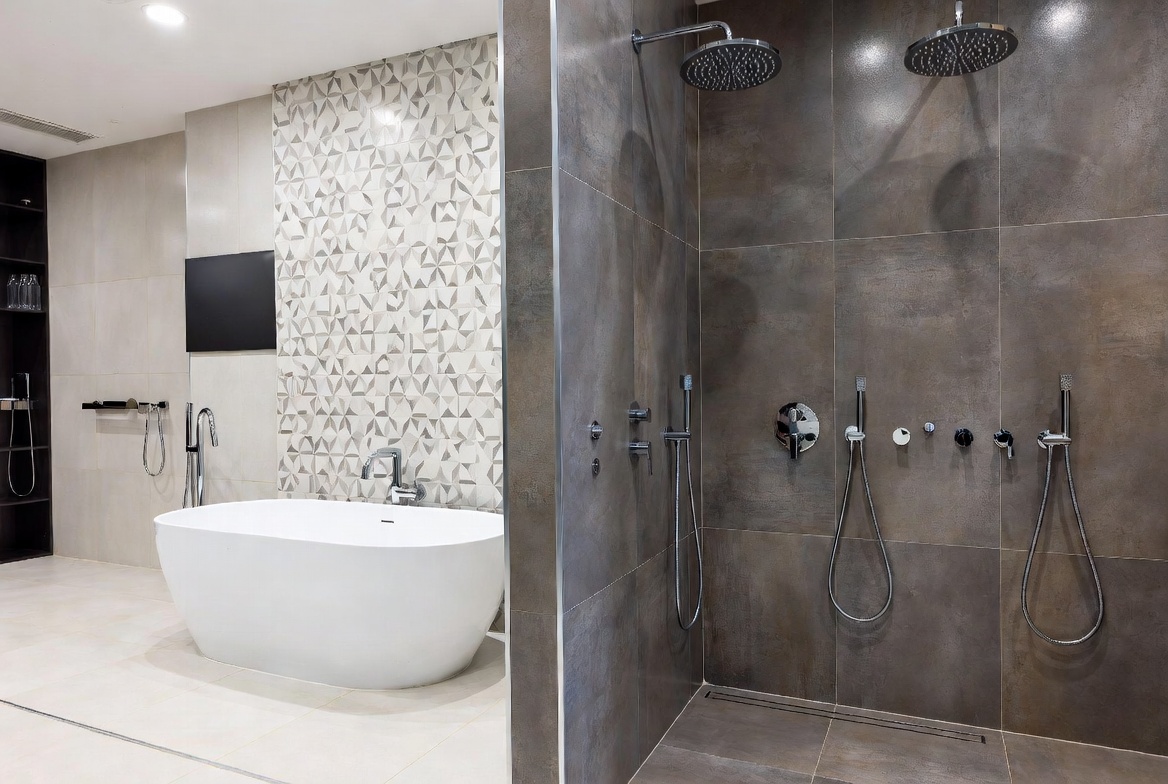
A wet bathroom is fully waterproofed, and the shower zone is usually level with the rest of the floor. A standard bathroom typically separates the shower area more clearly with a tray, threshold, or enclosed layout.
Yes, wet rooms can work very well in small bathrooms because they create a more open visual effect. The key is proper drainage and waterproofing so the space remains functional and easy to maintain.
The best materials are water-resistant, durable, and easy to clean. Large-format tiles, non-slip flooring, frameless glass, and engineered wall systems are commonly used in high-performance wet rooms.
Yes, professional installation is strongly recommended because drainage slope, sealing, and waterproofing are critical. Small mistakes in setup can create long-term maintenance problems.
Wet rooms are attractive because they support customization, premium positioning, and coordinated bathroom collections. They also align with current demand for modern, open, spa-like spaces.
1. [Primary Bathroom Designs & Remodel Trends for 2026]
2. [Wetroom Materials: Wet Room Solutions for Architects & Builders]
3. [Case Studies]
4. [Designing The Modern Home Spa Bathtub Experience With OEM ODM Solutions]
5. [8 Bathroom Design Ideas and Trends Worth the Spend in 2026]
6. [How to Build YOUR OWN Custom Wet Room Shower Tray!]
7. [Bathroom Design Case Studies]
8. [贝缇浴室规划指南]
9. [Bathroom Design Trends Going Out Of Style In 2026, According To Interior Designers]
10. [Top 10 Shower Wall Panel Manufacturers in the USA 2025]


