
Views: 277 Author: Miluo Smart Home Publish Time: 2026-07-31 Origin: Site


Content Menu
>> 7. Whirlpool and Air Bathtubs
● How to Choose the Right Bathtub
>> Consider Installation and Maintenance
● Practical Selection Checklist
● FAQ
>> 1. What is the most popular type of bathtub?
>> 2. Which bathtub type is best for a small bathroom?
>> 3. What bathtub material is easiest to maintain?
>> 4. Are freestanding tubs harder to install?
>> 5. Is a deeper bathtub always better?
>> 6. What should OEM and ODM buyers prioritize when choosing a bathtub?
A bathtub is no longer just a bathroom fixture. For today's homes, hotels, and premium residential projects, it is a design statement, a comfort feature, and often the centerpiece of the entire bathing space. Choosing the right type of bathtub means balancing style, space, performance, and long-term value.
Modern buyers are looking for more than looks alone. They want a bathtub that fits the room, supports daily use, is easy to maintain, and matches the overall bathroom concept. That is why understanding the main bathtub types, their strengths, and their ideal applications is essential for homeowners, designers, importers, and project buyers.
The right tub can completely change how a bathroom feels and functions. A compact alcove tub can maximize space in a city apartment, while a freestanding soaking tub can create a luxury spa atmosphere in a master suite. The choice also affects installation cost, cleaning effort, material durability, and the final design language of the room.
For OEM and ODM buyers, bathtub type also influences product positioning. A well-defined tub category helps you target the right market segment, whether that is budget-conscious retail, mid-range renovation, or high-end hospitality and villa projects.
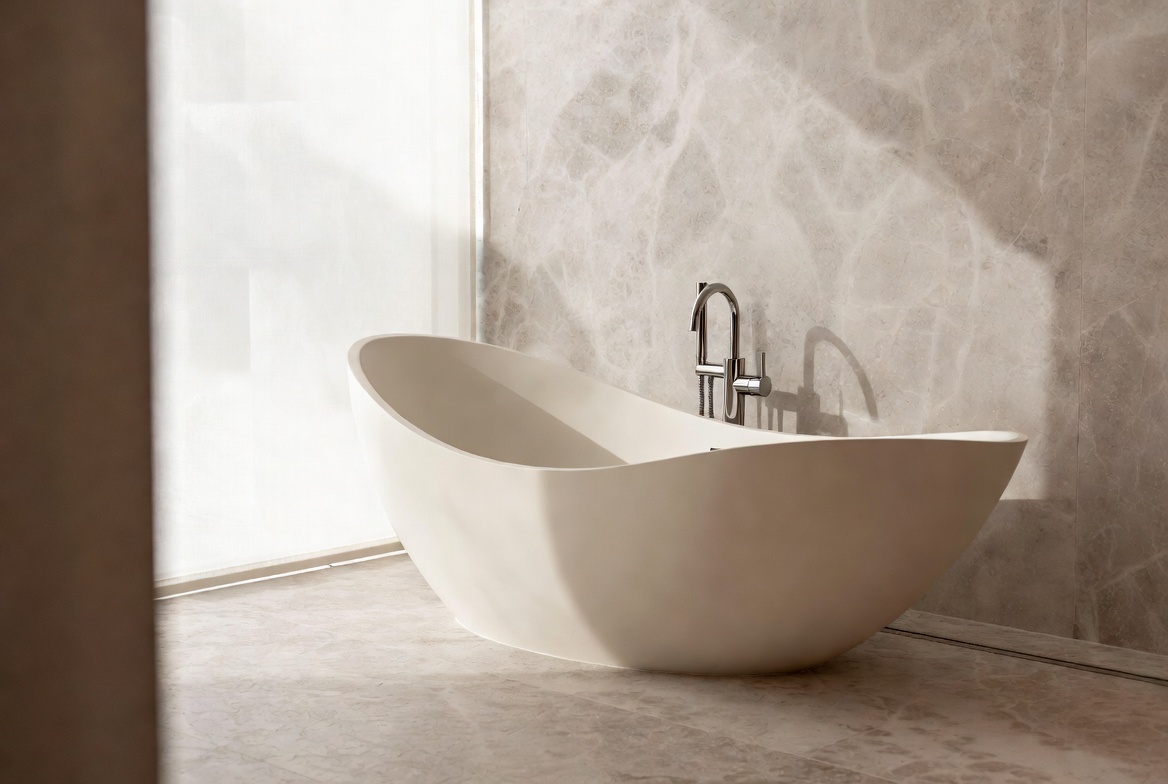
There are several common bathtub styles, and each one solves a different design or usage problem.
Freestanding tubs are among the most visually striking options. They stand alone without being enclosed by walls or decks, which makes them ideal for spacious bathrooms and luxury interiors.
Best for: master bathrooms, premium residential projects, boutique hotels, and spa-inspired spaces.
Key advantages:
- Strong visual impact.
- Flexible placement within the room.
- Works well with modern, classic, and minimalist interiors.
Potential limitations:
- Requires more floor space.
- Usually needs more planning for plumbing and installation.
- Can be heavier if made from solid surface or stone-like materials.
Freestanding bathtubs are often chosen when the tub is intended to be the hero element in the room. They are especially effective when paired with floor-mounted or wall-mounted tub fillers.
Alcove tubs are installed between three walls, making them one of the most practical and space-efficient options. They are widely used in standard residential bathrooms and renovation projects.
Best for: compact bathrooms, family homes, apartments, and cost-conscious remodels.
Key advantages:
- Efficient use of space.
- Easier to install in many standard layouts.
- Often works well as a tub-shower combination.
Potential limitations:
- Less dramatic visually than freestanding tubs.
- More limited in design flexibility.
If your goal is maximum functionality in a smaller footprint, an alcove bathtub is often the most sensible choice.
Drop-in tubs are designed to be placed into a custom-built deck or surround. Only the interior of the tub is visible, which gives designers more freedom to create a tailored bathroom look.
Best for: custom residential projects, upscale remodels, and design-led bathrooms.
Key advantages:
- Highly adaptable to different room layouts.
- Offers a clean, built-in appearance.
- Can be paired with tile, stone, or composite surrounds.
Potential limitations:
- Requires more construction work.
- Surround must be designed and finished properly.
- Cleaning around the deck edge may take more effort.
Drop-in tubs are ideal when the bathtub is part of a larger interior concept rather than a standalone object.
Corner bathtubs are shaped to fit into a corner of the bathroom. They are often larger than standard tubs and can offer a more open bathing area.
Best for: bathrooms with unusual layouts or homeowners who want to make use of corner space.
Key advantages:
- Efficient use of corner areas.
- Can create a unique layout.
- Often feels spacious inside.
Potential limitations:
- May take up more floor area than expected.
- Can be harder to integrate into some modern minimalist designs.
Corner tubs are a practical solution when the room shape is less conventional and every inch matters.
A soaking tub is designed with depth as a priority. Instead of just lying flat in shallow water, the user can sit deeper and enjoy a more immersive bath experience.
Best for: wellness-focused homes, spa bathrooms, and users who prioritize relaxation.
Key advantages:
- Better for full-body soaking.
- Creates a more luxurious bathing experience.
- Often paired with modern, sculptural shapes.
Potential limitations:
- May require more water to fill.
- Can be less suitable for very small bathrooms.
For customers who value comfort and recovery, a deep soaking tub delivers a more premium experience than a standard shallow bath.
Walk-in tubs feature a low-entry door that makes it easier to step in and out. They are often selected for accessibility and aging-in-place projects.
Best for: senior-friendly bathrooms, accessible housing, and safety-focused renovations.
Key advantages:
- Easier and safer entry.
- Good for users with mobility concerns.
- Supports independent bathing.
Potential limitations:
- Door seals and installation quality are critical.
- Filling and draining can take longer.
- Design options may be more functional than decorative.
Walk-in tubs are not only a safety solution. They are also an important category in inclusive bathroom design.
These tubs add hydrotherapy-style features, such as jets or air bubbles, to create a massage effect.
Best for: spa bathrooms, wellness projects, and premium relaxation spaces.
Key advantages:
- Enhances comfort and relaxation.
- Adds a strong luxury appeal.
- Can support a spa-like product story.
Potential limitations:
- More components mean more maintenance.
- Usually costs more than a standard tub.
- Requires proper installation and servicing.
These tubs are ideal when the buyer wants the bathtub to do more than hold water. They turn bathing into an experience.
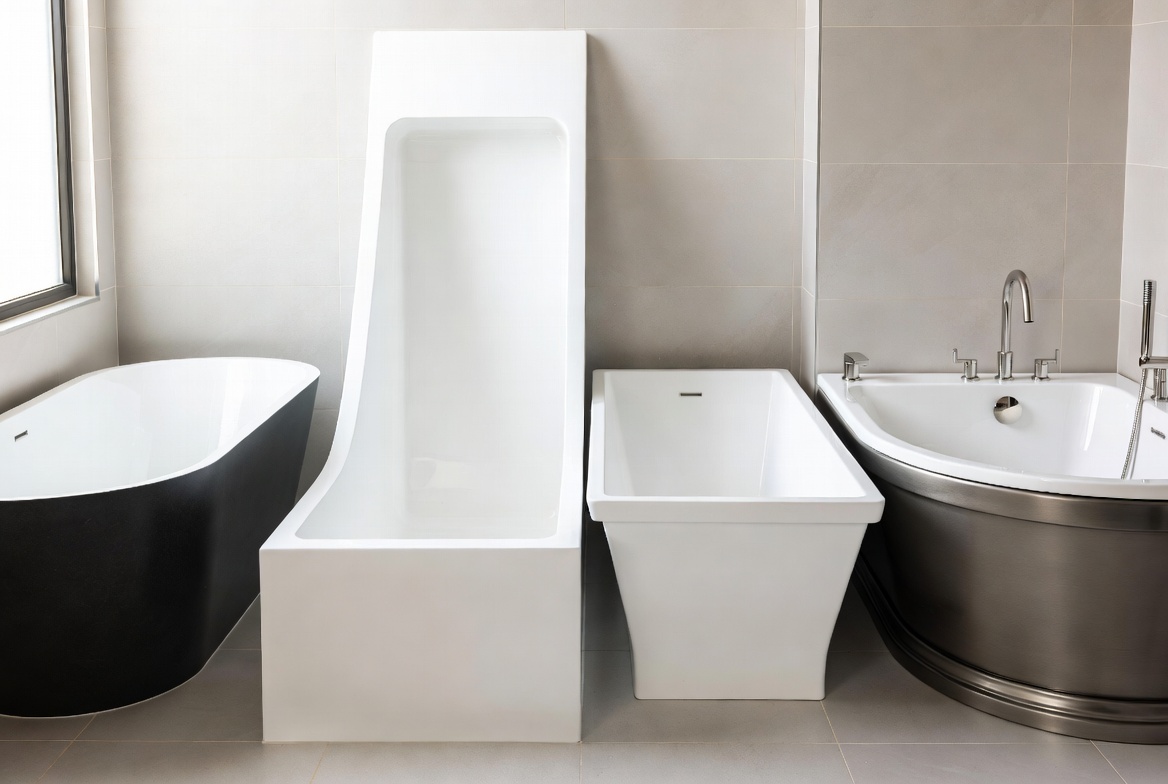
The bathtub type matters, but material choice matters just as much. A beautiful shape will not perform well if the material does not match the project's needs.
| Material | Main Strength | Best For | Considerations |
|---|---|---|---|
| Acrylic | Lightweight, versatile, warm feel | Most residential and OEM/ODM projects | Can vary in quality depending on construction |
| Stone resin | Solid feel, premium appearance, excellent design value | Luxury bathrooms and high-end collections | Heavier and generally higher priced |
| Cast iron | Outstanding durability and heat retention | Long-life installations | Very heavy, harder to install |
| Fiberglass | Cost-efficient and lightweight | Entry-level products and quick renovations | Typically less durable than higher-end options |
| Steel enamel | Hard surface, clean finish | Traditional and utility-driven applications | Can feel colder and be noisier than acrylic |
For many modern export projects, acrylic and stone resin remain especially attractive because they allow design flexibility, stable quality, and broad market appeal.
Selecting the right bathtub is easier when you evaluate the project from several angles. A strong decision should start with the room, then move to the user, then the business goal.
Start with the actual room dimensions, not just the dream layout. Consider wall clearance, door openings, plumbing locations, and the space needed for cleaning and movement. A bathtub that looks perfect in a render can become difficult to install if the surrounding layout is ignored.
Think about who will use the tub most often. A family bathroom may need durability and easy cleaning. A luxury suite may need visual impact and deep soaking comfort. An accessible home may need low entry and added safety features.
The ideal material depends on whether the priority is cost, durability, heat retention, or premium appearance. For example, acrylic is often a practical all-rounder, while stone resin is better when design prestige matters more.
A bathtub should be attractive, but it also has to be realistic to install and maintain. Freestanding tubs may require more planning, while alcove tubs can be easier to integrate into standard layouts. Maintenance should also be part of the decision, especially in hospitality or multi-unit projects.
Bathroom design is moving toward calm, warm, and highly functional spaces. Buyers are increasingly drawn to spa-like layouts, soft natural finishes, smarter water use, and products that feel both refined and practical.
Across residential and commercial projects, the strongest demand tends to center on:
- Clean, minimalist silhouettes.
- Warm neutral tones and natural textures.
- Space-saving layouts with a premium look.
- Water-conscious product choices.
- Fixtures that combine comfort with modern design.
For bathtub suppliers, this means the market is no longer only asking, "What does the tub look like?" It is also asking, "How does it perform, how easy is it to install, and how well does it support the total bathroom concept?"
For brands, wholesalers, and project buyers, bathtub development is often about more than choosing an existing model. It is about building a product line that fits a target market, a price point, and a design strategy.
OEM and ODM services can support:
- Custom sizes for different room standards.
- Material selection based on market positioning.
- Finish and color customization for brand differentiation.
- Shape optimization for modern or traditional collections.
- Project-specific solutions for hotels, villas, apartments, and retail channels.
This is where a manufacturing partner becomes more than a supplier. The right partner helps translate market demand into a stable, scalable product range.
Use this quick checklist before finalizing a bathtub order or design:
1. Confirm the available room dimensions.
2. Decide whether the tub will be a focal point or a functional fixture.
3. Choose the bath style that fits the layout.
4. Select the material based on durability and positioning.
5. Review installation requirements in advance.
6. Consider cleaning and long-term maintenance.
7. Match the product to your end customer or project type.
Following this process reduces costly redesigns and helps ensure a better result for the final user.
The best bathtub is not simply the most expensive or the most stylish one. It is the one that fits the space, supports the intended use, and creates a strong experience for the end customer. For modern bathroom projects, the winning combination is usually a clear design concept, the right material, and a tub type that matches both daily function and visual goals.
If you are developing a new bathtub line or looking for a customized OEM/ODM bathroom solution, the smartest next step is to align product design with your target market, installation reality, and brand positioning.
Ready to build a bathtub collection that fits your market? Contact Jiaxing Miluo Smart Home Co., Ltd. to discuss custom bathtub solutions for OEM and ODM projects.
Freestanding and alcove bathtubs are among the most popular choices because they serve very different needs. Freestanding tubs are favored for luxury design, while alcove tubs are popular for space efficiency and practical installation.
Alcove bathtubs are usually the best choice for small bathrooms because they make efficient use of wall space. In some layouts, a compact soaking tub may also work if the room height and clearance allow it.
Acrylic is often considered one of the easiest materials to maintain because it is lightweight, versatile, and simple to clean. Stone resin also offers a premium feel, but it is usually heavier and more project-specific.
Yes, freestanding tubs often require more planning than alcove tubs because plumbing, drainage, and floor space must all be considered carefully. They are still a strong option when the design goal is to create a luxury focal point.
Not always. A deep tub is excellent for soaking and relaxation, but it may not suit every bathroom size, user profile, or water-use preference. The right depth depends on comfort, space, and the intended experience.
They should prioritize market fit, material stability, installation practicality, and design differentiation. A successful bathtub line must work both as a product and as a scalable business solution.
1. [Types of Bathtubs overview]
2. [Bathtub sizing and space planning guide]
3. [2026 bathroom design trends]
4. [Water-saving bathroom technology]
5. [Bathtub materials comparison]
6. [OEM/ODM bathroom solutions]


