
Views: 229 Author: Miluo Smart Home Publish Time: 2026-08-02 Origin: Site


Content Menu
● What Makes These Two Basin Types Different?
>> Why Buyers Choose Vessel Sinks
>> Why Buyers Choose Undermount Sinks
● What the Market Is Favoring Now
● How to Choose the Right Sink
● OEM and ODM Project Insights
● FAQs
>> 1. Which is easier to clean, vessel or undermount?
>> 2. Which sink style looks more luxurious?
>> 3. Which option is better for resale value?
>> 4. Are vessel sinks harder to install?
>> 5. Which sink is better for OEM and ODM bathroom projects?
Choosing between a vessel sink and an undermount sink is not just a design decision. It affects installation, daily use, cleaning effort, perceived value, and long-term buyer satisfaction. For OEM and ODM bathroom projects, the right basin style should match the target market, countertop material, bathroom size, and brand positioning.
Modern bathroom buyers are also looking for more than basic utility. Current design direction favors warm finishes, refined surfaces, and spa-like spaces, which means basin selection now plays a bigger role in the overall bathroom experience.
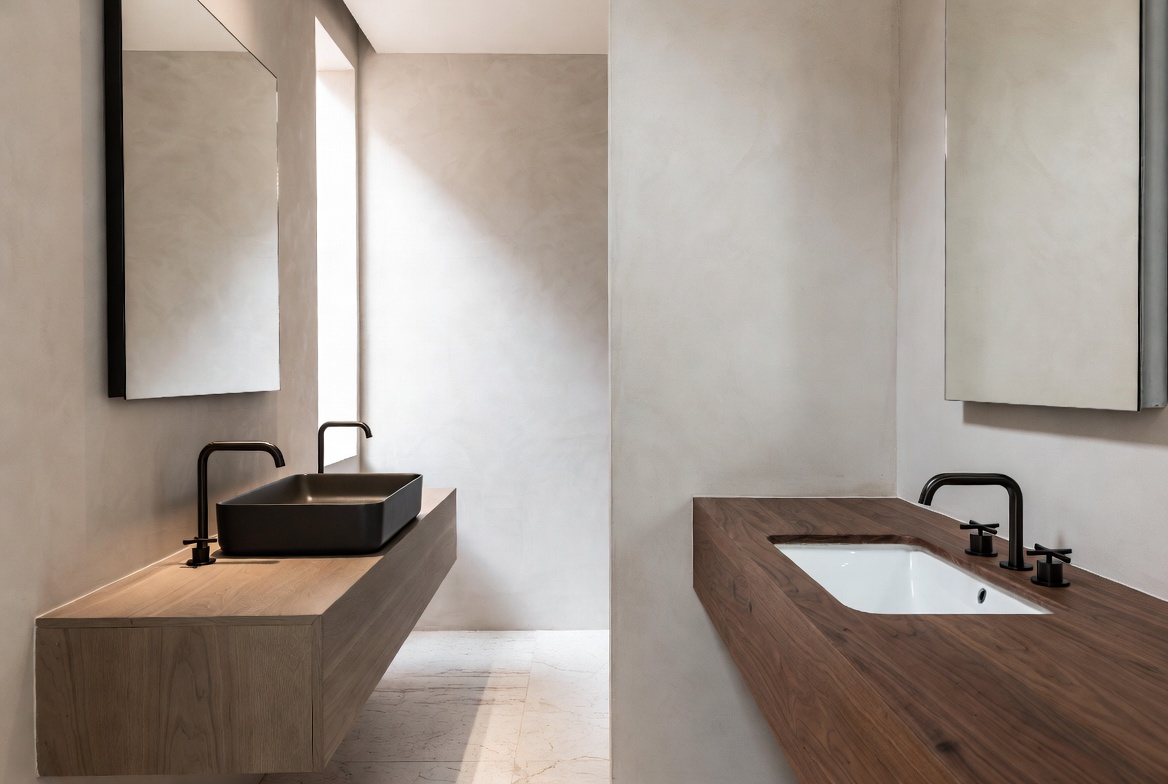
The main difference is where the sink sits in relation to the countertop. A vessel sink sits above the counter like a bowl, while an undermount sink is installed below the countertop for a flush, seamless appearance.
That single difference changes the look, cleaning routine, installation requirements, and even the kind of vanity design each sink works best with.
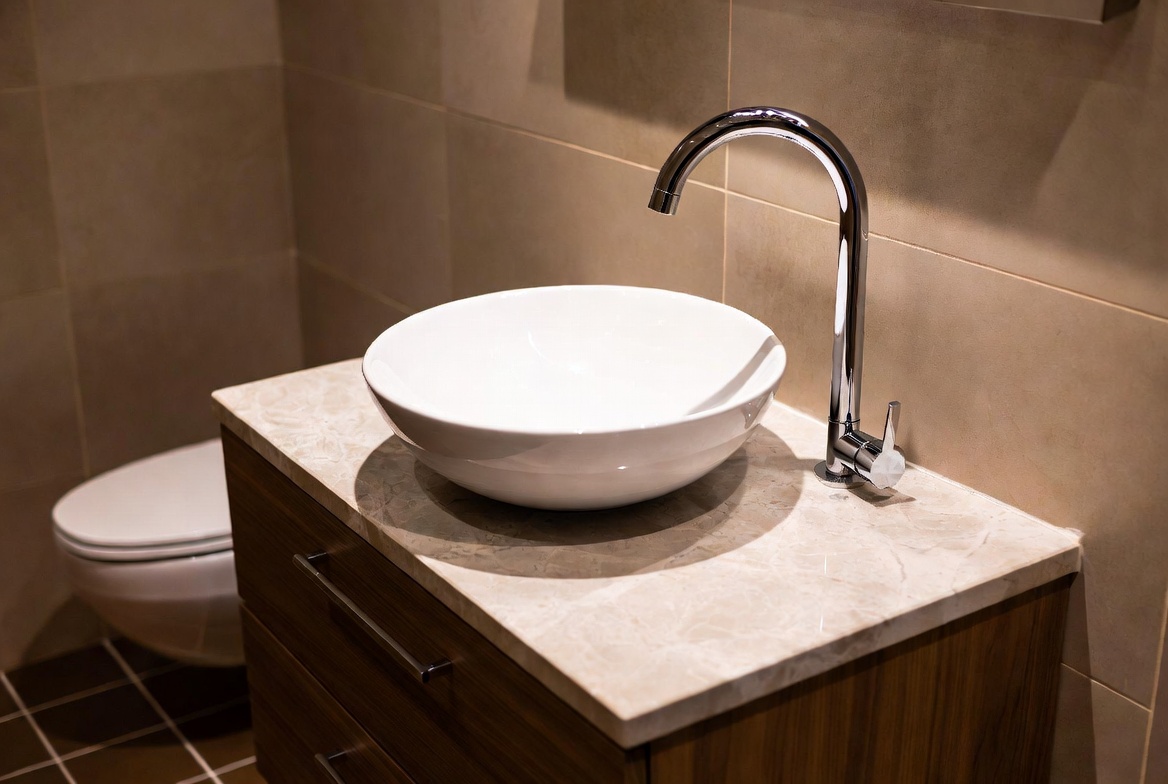
A vessel sink is a basin that rests on top of the vanity or countertop, making it a visible design feature rather than a hidden utility item. It is often chosen for modern, luxury, boutique, and statement-driven bathroom projects.
- Stronger visual impact. The sink becomes part of the decor and adds a premium design moment.
- More style options. Shapes, materials, and colors can vary widely, making it easier to match a brand identity.
- Easier replacement. The installation is generally simpler than an undermount setup.
- Flexible for compact bathrooms. Some designs can save counter footprint while still looking upscale.
- More splash risk. A higher bowl can lead to more water splashing depending on faucet height and bowl depth.
- Potential stability concerns. Because the sink is supported differently, product quality and installation accuracy matter.
- Cleaning around the base. The visible joint between basin and countertop can collect residue if the design is not well executed.
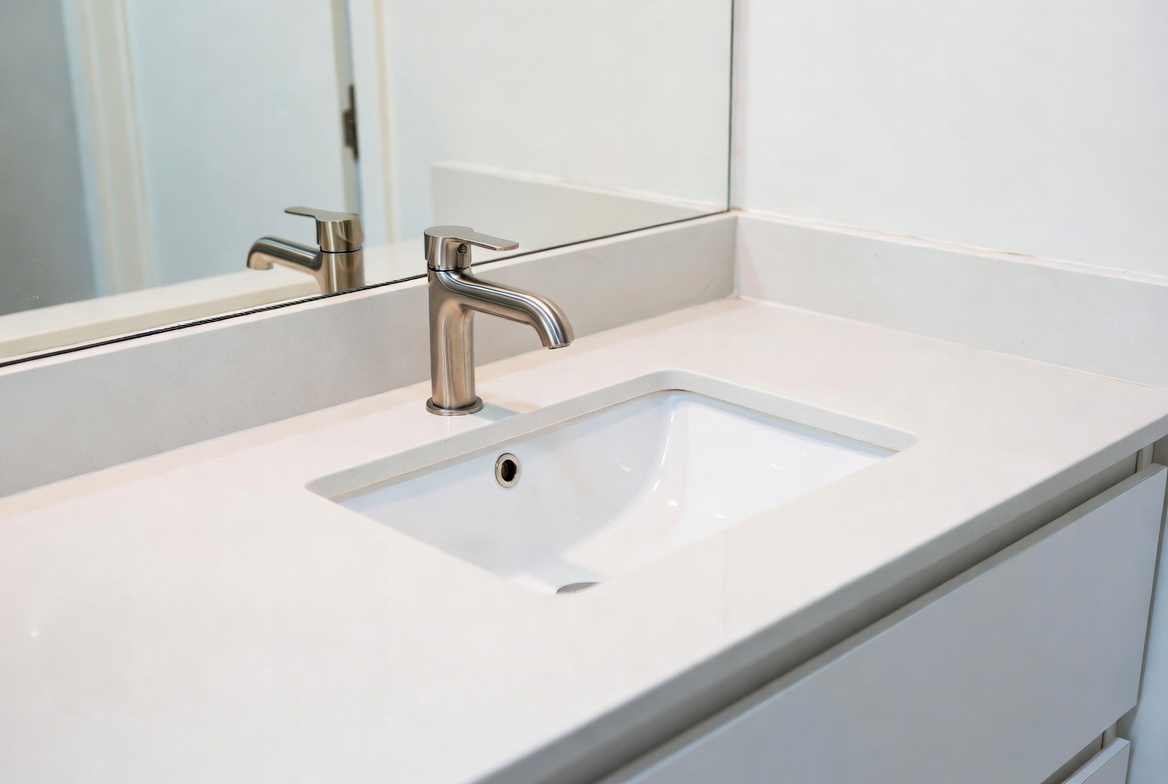
An undermount sink is fixed beneath the countertop, creating a smooth transition from counter to basin. It is widely used in kitchens and bathrooms where a clean, minimalist look is preferred.
- Easier countertop cleaning. Debris can be wiped directly into the basin.
- Cleaner visual line. The countertop remains the star of the design.
- Strong premium perception. Many homebuyers associate undermount sinks with higher-end installations.
- Better for daily-heavy use. The design is practical in bathrooms where convenience matters most.
- More demanding installation. The sink must be secured properly under the counter.
- Material compatibility matters. Not every countertop is suitable for every undermount application.
- Higher upfront cost. The installation and product requirements can raise project cost.
| Factor | Vessel Sink | Undermount Sink |
|---|---|---|
| Visual style | Decorative, bold, expressive | Minimal, seamless, understated |
| Installation | Generally simpler | More complex and precise |
| Cleaning | More areas around the base | Easier countertop wipe-down |
| Splash control | Depends heavily on faucet and bowl depth | Often better for daily use |
| Premium appeal | Strong in design-led spaces | Strong in functional luxury spaces |
| Best fit | Boutique bathrooms, statement vanities | Main bathrooms, resale-focused homes |
Bathroom design is moving toward warmer, more natural, and more tactile spaces, with floating vanities, textured fronts, and hotel-inspired layouts becoming more common. That trend supports both sink types, but in different ways.
Vessel sinks work especially well in design-forward collections where the basin is meant to be seen. Undermount sinks work better when the vanity, stone surface, and overall bathroom composition should feel calm, seamless, and easy to maintain.
Use the following decision framework when selecting between vessel and undermount basins for a project:
1. Start with the bathroom use case. Guest bathrooms, powder rooms, and boutique-style spaces often suit vessel sinks better.
2. Check the countertop material. Some materials support undermount installation better than others.
3. Match the faucet height. Vessel sinks need faucet proportions that reduce splash and improve comfort.
4. Define the target buyer. Style-driven buyers often prefer vessel sinks, while practical and resale-focused buyers often prefer undermount sinks.
5. Balance cost and perceived value. The right choice should support the project's price point and brand position.
For manufacturers serving overseas brands, wholesalers, and builders, sink selection should be treated as part of the product strategy, not only as a catalog choice. Different markets prioritize different details: some want design distinction, others want easy maintenance, and others want resale-friendly simplicity.
A strong OEM or ODM basin program should offer:
- Multiple shapes and sizes.
- Surface and material options.
- Compatibility with different vanity formats.
- Clear installation guidance.
- A design language that supports the buyer's brand story.
To improve customer satisfaction, keep these details in mind:
- Pair vessel sinks with the right faucet height. Poor proportion is one of the most common causes of splash complaints.
- Use undermount sinks with durable countertop surfaces. This helps preserve long-term performance.
- Consider the full vanity composition. Sink type should complement drawer layout, mirror height, and storage needs.
- Design for the end user, not only the showroom. Attractive products must still work in daily life.
There is no universal winner between vessel sinks and undermount sinks. The best choice depends on whether the project values visual impact, cleaning ease, installation simplicity, or long-term resale appeal.
For design-led bathrooms, a vessel sink can create a stronger signature look. For practical, high-use, or resale-sensitive projects, an undermount sink usually delivers better everyday performance.
If your team is developing modern bathroom basin collections for international buyers, now is the time to align product design with real user behavior, target-market taste, and installation practicality. A well-planned basin program can improve conversion, strengthen brand positioning, and support higher-value OEM/ODM orders.
An undermount sink is usually easier to clean because the countertop can be wiped directly into the basin without catching on a rim.
A vessel sink often feels more decorative and visually distinctive, while an undermount sink feels more refined and minimal.
Undermount sinks are often preferred in resale-sensitive homes because they are widely associated with durability and a cleaner, more timeless look.
Vessel sinks are generally simpler to install than undermount sinks because they rest on the countertop rather than being secured underneath it.
Both can work well, but vessel sinks are often better for statement collections, while undermount sinks are often better for mainstream, practical, and resale-oriented product lines.
- [Aquatica USA – Vessel Sink vs Undermount]
- [Undermount vs. Vessel Bathroom Sinks: Which Is Best for Your Home?]
- [Vessel vs Undermount Sinks - What's the difference?]
- [2026 Bathroom Vanity Trends]


