
Views: 253 Author: Miluo Smart Home Publish Time: 2026-09-02 Origin: Site


Content Menu
● Why Bathtub Selection Matters for Modern Bathroom Projects
● Main Types of Bathtubs by Installation Style
● Main Types of Bathtubs by Material
>> Solid Surface and Stone-Resin Bathtubs
● How to Choose the Right Bathtub Size
>> Recommended Size Planning Checklist
● Expert Guidance for OEM and ODM Bathtub Development
>> A Practical Product Development Process
● Bathtub Trends Shaping New Product Collections
● Build a Bathtub Collection That Fits Your Market
>> What is the most popular type of bathtub?
>> What is the best bathtub material for a luxury bathroom?
>> Are acrylic bathtubs durable?
>> What size bathtub is suitable for a small bathroom?
>> What is the difference between a freestanding bathtub and a back-to-wall bathtub?
>> Can bathtubs be customized for private-label brands?
>> What should wholesalers check before ordering bathtubs from a manufacturer?
Choosing the right bathtub is not simply a matter of selecting a shape. For a bathroom brand, wholesaler, hotel project, or residential developer, the ideal bathtub must balance design language, user comfort, installation conditions, material performance, production consistency, and commercial positioning.
Today's bathtub market includes everything from compact alcove tubs for high-volume residential projects to sculptural freestanding soaking tubs for luxury bathrooms. Understanding the main types of bathtubs—and how each one performs in real projects—helps buyers develop a better product range and helps end users make more confident decisions.
For modern bathroom collections, freestanding bathtubs, solid-surface tubs, acrylic soaking tubs, wall-mounted tubs, and customized integrated bathroom solutions are among the most important categories to consider.
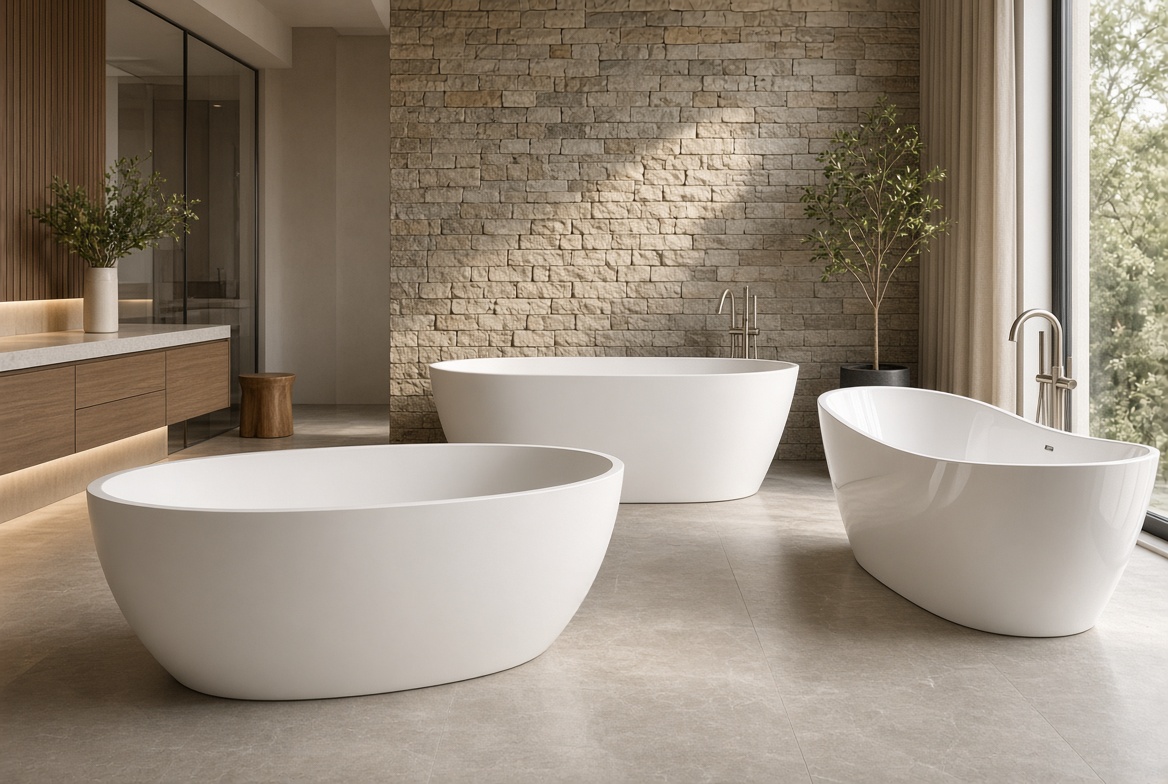
A bathtub can become the visual center of a bathroom, but its value goes far beyond appearance. The wrong model can create installation difficulties, reduce bathing comfort, increase freight costs, or result in expensive after-sales issues.
From a manufacturer's perspective, a successful bathtub program begins with a clear understanding of the intended market:
- Is the product for a luxury residential brand or a mass-market retailer?
- Will it be installed in apartments, villas, hotels, resorts, or senior-living projects?
- Does the market prefer deep soaking, shower-over-bath functionality, hydrotherapy, or accessible bathing?
- Are customers more focused on lightweight installation, premium material feel, or distinctive design?
- Does the buyer need a standard product, private-label production, or a fully customized OEM/ODM solution?
A practical bathtub category strategy should connect consumer demand with manufacturing realities. This includes product dimensions, drainage location, overflow structure, load-bearing requirements, packaging design, surface finish, and compliance expectations in the destination market.
For example, standard alcove tubs remain common in space-conscious residential bathrooms. A typical alcove bathtub is approximately 60 inches long, 30 inches wide, and 14 to 16 inches high. Deeper soaking tubs commonly range from 60 to 72 inches long and offer a bathing depth of 14 inches or more.
Bathtubs are often classified first by the way they are installed. This is one of the most useful methods for brands, distributors, designers, and project buyers because installation style affects space planning, faucet selection, transport, and product cost.
A freestanding bathtub stands independently rather than being enclosed by walls or a built-in deck. It is one of the most recognizable symbols of a modern luxury bathroom.
Freestanding tubs are available in oval, rectangular, round, asymmetrical, slipper, Japanese soaking, and sculptural organic forms. They may be installed near a wall, under a window, in the center of a large bathroom, or as a dramatic focal point in a hotel suite.
Best for:
- Luxury residential bathrooms
- Boutique hotels and resorts
- Premium renovation projects
- Bathroom brands seeking a distinctive visual identity
- Showroom displays and high-end retail collections
Key advantages:
- Strong visual impact
- Wide design flexibility
- Suitable for modern and transitional interiors
- Can support customized colors, shapes, finishes, and branding
- Easier to position as a premium product than a standard built-in tub
Important considerations:
- Requires adequate floor area around the tub
- Floor-mounted or wall-mounted faucets may be needed
- Plumbing must be carefully planned before installation
- Heavy solid-surface or stone-resin models require structural assessment
- Cleaning space should be considered, particularly when the tub is placed close to a wall
Freestanding tubs are typically around 60 to 67 inches long and 29 to 32 inches wide, although custom models can be produced in many other dimensions.
For overseas brands, a well-designed freestanding bathtub can be the foundation of an entire collection. A matching basin, shower tray, vanity top, mirror cabinet, and faucet system can create a unified bathroom story rather than a group of unrelated products.
An alcove bathtub fits between three walls. It is one of the most practical bathtub types because it uses space efficiently and often supports a combined bath-and-shower arrangement.
This type of bathtub is especially common in apartments, family homes, rental properties, and large-scale residential developments. Because three sides are enclosed, an alcove tub usually needs fewer finished exterior surfaces than a freestanding model.
Best for:
- Apartments and condominiums
- Family bathrooms
- Rental housing
- Renovation projects with existing plumbing positions
- Large-volume residential developments
Key advantages:
- Efficient use of limited bathroom space
- Compatible with shower screens and shower curtains
- Familiar format for many consumers
- Often easier to install in standardized projects
- Suitable for high-volume production programs
Important considerations:
- Requires accurate wall-to-wall measurements
- Installation tolerance must be controlled carefully
- The surrounding wall finish must be waterproofed correctly
- Product design is usually less visually dramatic than a freestanding tub
- The drain position must match the construction layout
For B2B buyers, alcove tubs can be a dependable volume category. They are especially valuable when a brand needs reliable, standardized dimensions for residential developments or retail distribution.
A back-to-wall bathtub combines the elegant look of a freestanding tub with the practical installation benefits of a wall-adjacent design. The tub appears independent from the front and sides, while its rear edge sits against the wall.
This design reduces the difficult-to-clean gap behind a freestanding tub and can simplify plumbing coordination.
Best for:
- Modern apartments
- Urban homes with limited space
- Renovation projects
- Consumers who want a premium look with easier maintenance
Key advantages:
- Clean and contemporary appearance
- Easier cleaning than a fully freestanding bathtub
- Saves space compared with center-positioned tubs
- Helps conceal plumbing connections
- Suitable for wall-mounted faucets
Back-to-wall tubs are increasingly attractive for brands targeting consumers who want a hotel-inspired bathroom without requiring a large floor plan.
A drop-in bathtub is installed inside a prepared deck, platform, or tiled surround. Only the rim of the bathtub is visible, while the body is concealed by the structure around it.
This format provides considerable flexibility because the deck can include shelves, storage ledges, stone surfaces, decorative tiles, or integrated lighting.
Best for:
- Luxury villas
- Spa-inspired master bathrooms
- Hotel suites
- Custom-designed residences
- Projects requiring integrated countertop space
Key advantages:
- Highly integrated architectural appearance
- Allows creative deck and surround designs
- Can provide convenient storage surfaces
- Works well with whirlpool or hydrotherapy systems
- Helps create a built-in wellness zone
Important considerations:
- Requires more construction work than freestanding tubs
- Access panels should be planned for maintenance
- Waterproofing quality is critical
- The finished deck dimensions must match the bathtub precisely
- Installation errors can be costly to correct
Drop-in tubs are usually between 60 and 72 inches long and 36 to 42 inches wide, although project-specific dimensions vary significantly.
An undermount bathtub is also installed within a deck, but the finished surface overlaps the tub rim. This creates a smooth transition from the countertop or tile surface into the bathtub.
Compared with a drop-in bathtub, an undermount design offers a cleaner, more seamless look. It is often selected for premium stone, quartz, porcelain slab, or solid-surface bathroom environments.
Best for:
- High-end residential projects
- Minimalist interior designs
- Luxury hospitality applications
- Custom stone and solid-surface installations
Key advantages:
- Refined, seamless appearance
- Easy rim cleaning
- Strong integration with surrounding surfaces
- Supports an upscale architectural aesthetic
Because the rim is concealed, precise coordination among the bathtub supplier, countertop fabricator, and installer is essential.
A corner bathtub is designed to fit into a bathroom corner. Many models use a triangular, pentagonal, or curved-front layout, allowing designers to create a generous bathing area while using an otherwise underutilized corner.
Best for:
- Larger family bathrooms
- Villas
- Spa-style bathrooms
- Projects with unusual floor plans
Key advantages:
- Makes effective use of corner space
- Can offer generous internal bathing room
- Works well with built-in decks
- Suitable for whirlpool or air-bath configurations
A common corner bathtub footprint is around 60 inches by 60 inches, although the surrounding deck structure must also be included in space planning.
Walk-in bathtubs are designed to improve access for older adults, users with limited mobility, and people who prefer a lower step-in height. They generally include a watertight door, built-in seat, handholds, and sometimes hydrotherapy or air-jet functions.
Best for:
- Senior-living projects
- Accessible residential bathrooms
- Healthcare-adjacent environments
- Homeowners planning for aging in place
Key advantages:
- Reduces the need to step over a high tub wall
- Can include seating and safety features
- Supports accessible bathing solutions
- Creates product opportunities in specialized markets
Accessibility requirements differ by project and region. Where accessible bathtub fixtures are required in the United States, specifications may include items such as a compliant seat, controls, grab bars, and clear floor space.
For brands entering this category, product development should focus not only on the tub itself but also on the full user experience: door sealing, drainage time, anti-slip surfaces, seating ergonomics, handle placement, and simple control operation.
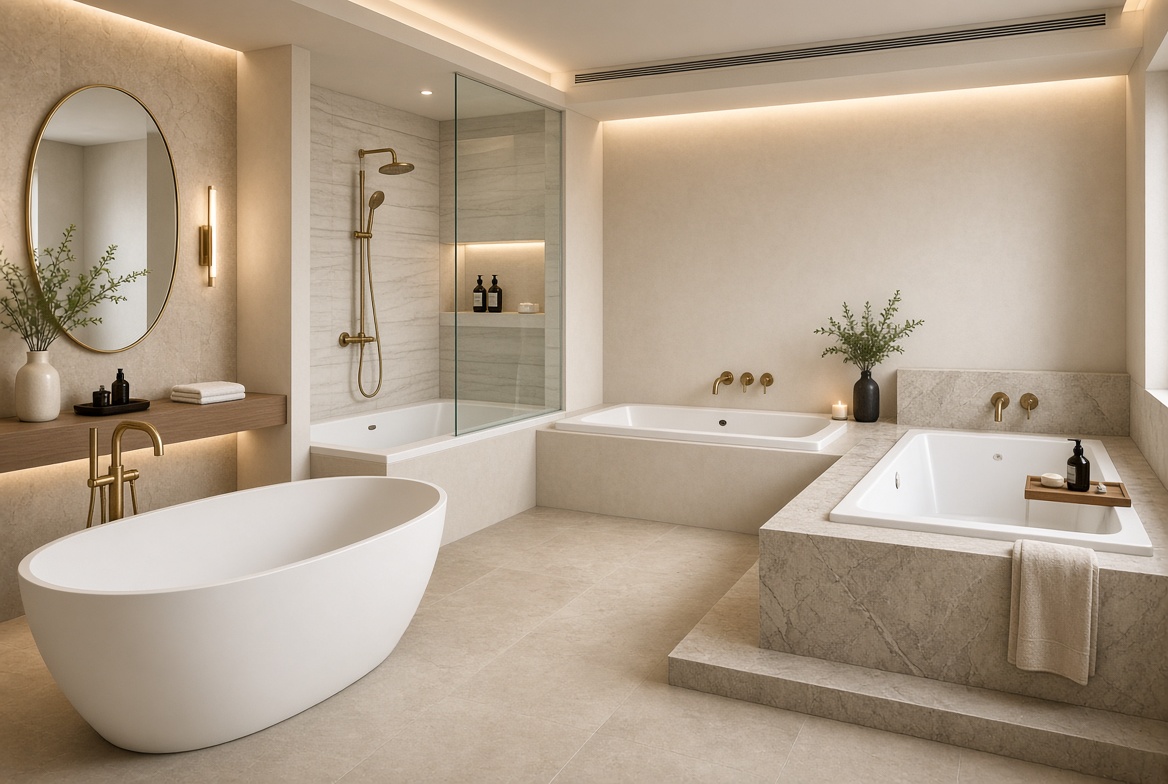
Material selection changes almost everything about a bathtub: weight, heat retention, surface feel, durability, manufacturing process, design freedom, freight cost, and perceived value.
Acrylic is one of the most widely used materials for contemporary bathtubs. Acrylic tubs are commonly formed from acrylic sheets reinforced with fiberglass or other structural layers.
Why acrylic remains popular:
- Lightweight compared with cast iron and natural stone
- Warm-to-touch surface
- Wide range of shapes and sizes
- Suitable for freestanding, alcove, corner, and drop-in formats
- Efficient for volume production
- Cost-effective for many retail and project markets
Acrylic can be an excellent option for brands that need a broad product range with flexible design possibilities. However, quality depends heavily on sheet thickness, reinforcement design, frame structure, resin quality, surface consistency, and inspection standards.
A low-quality acrylic tub may flex excessively, lose surface gloss, or feel less stable under load. For this reason, professional buyers should evaluate more than appearance. Ask about material thickness, reinforcement method, load testing, bottom support, and warranty terms.
Solid-surface and stone-resin tubs are often chosen for their substantial feel, smooth matte finish, and strong luxury positioning. These materials can support highly sculptural shapes and refined edges that appeal to premium bathroom brands.
Key advantages:
- Premium visual and tactile experience
- Good heat retention
- Smooth, seamless appearance
- Strong design flexibility
- Easy-to-clean non-porous surfaces in many formulations
- Ideal for high-end freestanding soaking tubs
Points to evaluate:
- Product weight and floor loading
- Shipping and handling procedures
- Surface repairability
- Color consistency across production batches
- Drain and overflow integration
- Packaging protection for long-distance transportation
Stone-resin and solid-surface tubs are particularly valuable for brand collections that target boutique hospitality, luxury residential developments, and design-led showrooms.
Cast iron bathtubs have a traditional reputation for strength and heat retention. They are generally coated with porcelain enamel, creating a durable glossy surface.
Key advantages:
- Long service life
- Excellent heat retention
- Classic premium appearance
- Very stable under use
- Suitable for traditional and heritage-style collections
Limitations:
- Heavy weight
- More demanding transportation and installation
- Less flexibility in complex modern shapes
- Higher handling costs
- Potential concerns about enamel damage if mishandled
Cast iron remains relevant in classic markets, but it is less flexible than acrylic or solid-surface materials for brands pursuing lightweight, modern, and highly customized product programs.
Fiberglass tubs are typically lightweight and economical. They are commonly produced from molded fiberglass sheets with a gel-coat surface layer.
They can be suitable for entry-level projects, rental properties, or price-sensitive markets. However, they generally offer a lower-end perception than high-quality acrylic or solid-surface alternatives.
Enameled steel tubs consist of steel coated with porcelain enamel. They are generally lighter than cast iron tubs but may not retain heat as effectively.
They can be a practical option for standard residential programs, particularly in markets that value durable glossy finishes and familiar traditional bathtub formats.
The most beautiful bathtub can become a poor choice if it does not fit the user, the bathroom, or the installation layout.
When selecting bathtub dimensions, buyers should evaluate three separate measurements:
1. Overall dimensions — the external length, width, and height of the bathtub
2. Internal bathing dimensions — the usable interior length, shoulder width, water depth, and backrest angle
3. Installation clearance — the surrounding space required for access, cleaning, faucets, doors, shower screens, and maintenance
A tub may look large from the outside but have limited internal room because of thick walls, steep backrests, or a compact footwell. Conversely, a carefully engineered deep soaking tub can provide an immersive bathing experience within a relatively compact footprint.
Before confirming a bathtub model, measure and verify:
- Finished wall-to-wall distance
- Door opening width and delivery route
- Elevator size for apartment and hotel projects
- Drain location and pipe diameter
- Faucet position and reach
- Floor load capacity for heavy tubs
- Clearance for safe entry and exit
- Shower zone and splash protection
- Access to maintenance components
- Height preferences for target users
For B2B customers, it is also important to consider container loading efficiency. A bathtub's packaging dimensions can affect freight cost as much as its net product price. Smart carton engineering, corner protection, pallet strategy, and nested accessory packing can improve shipment performance without compromising product safety.
For private-label brands and wholesalers, selecting an existing bathtub model is only the first step. The more valuable opportunity is to develop products that reflect the buyer's market positioning.
A professional OEM or ODM bathtub project may include:
- Custom dimensions for a specific regional market
- Exclusive exterior silhouettes
- Private-label logo placement
- Personalized overflow covers and drain finishes
- Matte, glossy, textured, or colored surface options
- Custom packaging and instruction manuals
- Coordinated basins, shower trays, vanities, and mirrors
- Market-specific accessories
- Product photography and retail-ready marketing materials
The best development process is not "choose a shape and start production." It should begin with the target customer.
For example, a Scandinavian-inspired bathroom brand may need a soft oval freestanding tub in matte white solid surface, paired with a matching countertop basin and minimal black drain hardware. A North American multifamily supplier may need reinforced acrylic alcove tubs in standardized dimensions, with reliable overflow placement and durable packaging for high-volume delivery.
These are different products, different supply chains, and different commercial strategies.
1. Define the target user, market segment, retail price range, and installation environment
2. Confirm required bathtub type, dimensions, material, color, and functional features
3. Review technical drawings, drainage requirements, and installation conditions
4. Produce samples or prototypes for fit, finish, ergonomics, and packaging evaluation
5. Complete quality inspection, load testing, drainage testing, and appearance checks
6. Confirm labeling, manuals, export packaging, and container-loading requirements
7. Launch production with agreed inspection standards and delivery milestones
This process helps reduce one of the most common B2B risks: developing a visually attractive bathtub that later creates installation complaints, freight damage, or poor consumer reviews.
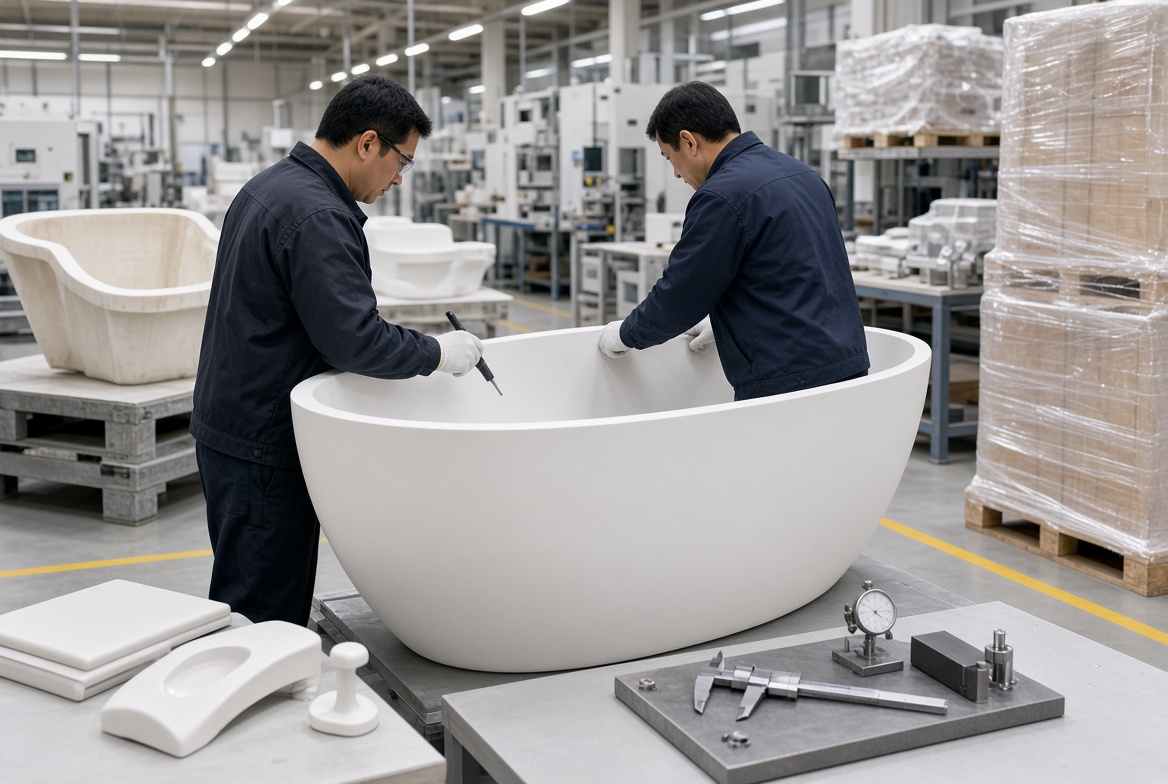
Modern consumers increasingly view the bathroom as a place for recovery, privacy, and everyday wellness. This shift is driving demand for deeper soaking tubs, softer forms, natural-looking materials, and coordinated bathroom collections.
Several market trends are especially relevant:
- Freestanding tubs are becoming more important in premium collections because they create an immediate focal point and support design differentiation.
- Deep soaking designs appeal to consumers seeking a more immersive bathing experience without requiring oversized bathrooms.
- Matte surfaces and soft organic shapes are popular in contemporary interiors.
- Customized bathroom collections are replacing isolated products, particularly in premium retail and hospitality projects.
- Accessible bathing solutions are gaining attention as more homeowners plan long-term living spaces.
- Material innovation is supporting lighter, more design-flexible alternatives to traditional cast iron.
The global bathtub market is commonly segmented by installation style—including freestanding, alcove, and drop-in—and by materials such as acrylic, fiberglass, cast iron, and other composites. Acrylic has also been identified as a leading material category in recent market reporting, while freestanding tubs continue to benefit from demand for design-oriented premium bathrooms.
There is no single best bathtub type for every customer. The best choice depends on the project's space, budget, users, design direction, and long-term performance expectations.
| Project Need | Recommended Bathtub Type | Recommended Material |
|---|---|---|
| Compact apartment bathroom | Alcove or back-to-wall bathtub | Acrylic |
| Luxury master bathroom | Freestanding soaking bathtub | Solid surface or stone resin |
| Hotel suite | Freestanding or drop-in bathtub | Solid surface, stone resin, or reinforced acrylic |
| Family bath-and-shower room | Alcove bathtub | Reinforced acrylic |
| Spa-inspired villa bathroom | Drop-in, corner, or oversized soaking tub | Solid surface, acrylic, or cast iron |
| Senior-friendly project | Walk-in bathtub | Acrylic or specialized composite |
| Premium private-label collection | Custom freestanding bathtub | Solid surface, stone resin, or high-grade acrylic |
For many modern bathroom brands, the most commercially balanced approach is to offer a curated range: a core alcove tub for volume, one or two back-to-wall tubs for urban homes, and several premium freestanding models for higher-margin projects.
A bathtub should do more than hold water. It should support the customer's lifestyle, reinforce the brand's positioning, simplify installation, and deliver reliable performance over years of use.
Jiaxing Miluo Smart Home Co., Ltd. provides customized modern bathroom products and integrated bathroom solutions for overseas brands, wholesalers, and manufacturers. Whether you are building a new private-label bathtub collection, sourcing reliable OEM production, or developing a complete coordinated bathroom program, the right manufacturing partner can turn an initial product concept into a market-ready solution.
Contact our team to discuss your bathtub requirements, target market, preferred materials, custom dimensions, packaging needs, and OEM/ODM project goals.
Freestanding bathtubs are highly popular in modern premium bathrooms because they create a strong visual focal point. Alcove tubs remain extremely common for apartments and family bathrooms because they are space-efficient and practical for shower-over-bath installations.
Solid surface and stone-resin materials are widely selected for luxury bathrooms because they offer a substantial feel, refined matte finishes, good heat retention, and flexible design possibilities. High-quality acrylic is also a strong choice when lighter weight and broader shape options are important.
Yes, a well-manufactured acrylic bathtub can be durable and long-lasting. Quality depends on the acrylic sheet, reinforcement layers, base structure, frame stability, surface finish, and production quality control.
A standard alcove tub around 60 inches long and 30 inches wide is a common choice for smaller bathrooms. Back-to-wall and compact soaking tubs can also deliver a premium look while using limited floor space efficiently.
A freestanding bathtub can be positioned away from all walls, while a back-to-wall bathtub is designed to sit directly against one wall. Back-to-wall tubs offer a similar modern appearance but are often easier to clean around and can simplify plumbing installation.
Yes. OEM and ODM bathtub projects can include customized shapes, sizes, materials, colors, drain covers, overflow components, logos, packaging, manuals, accessories, and coordinated bathroom products.
Wholesalers should review technical drawings, material specifications, sample quality, load-bearing structure, drainage performance, surface consistency, packaging protection, container-loading efficiency, lead time, inspection procedures, warranty terms, and destination-market requirements.
1. [U.S. Access Board — Chapter 6: Bathing Rooms]
2. [The Home Depot — Bathtub Buying Guide: Sizes & Types]
3. [Lowe's — How to Choose a Bathtub]
4. [Fortune Business Insights — Bathtub Market Size, Share & Trends]
5. [Market Data Forecast — Bathtub Market Size, Share, Growth, Trends & Analysis]


