
Views: 277 Author: Miluo Smart Home Publish Time: 2026-08-07 Origin: Site


Content Menu
● What a Soaking Tub Surround Does
● Best Materials for Tub Surrounds
>> 2. Minimal Grout, Maximum Calm
>> 4. Vertical or Horizontal Stack Tile
● FAQ
>> What is the best material for a soaking tub surround?
>> Are large-format tiles better for tub surrounds?
>> Is natural stone a good choice?
>> What style works best in 2026?
>> Can surround systems be customized for commercial projects?
A well-designed soaking tub surround does more than frame the bathtub. It protects the wall, improves daily use, and turns an ordinary bathroom into a polished spa-like retreat. For homeowners, designers, and sourcing teams alike, the right surround is where visual impact and long-term performance meet.
A tub surround is the surface system installed around a bathtub to protect the wall from moisture and splashes. In premium bathroom projects, it also becomes a central design feature that shapes the room's style, maintenance needs, and overall comfort.
For soaking tubs, the surround should feel calm, durable, and easy to clean. That means choosing materials and layouts that balance waterproof performance with a refined appearance.

A soaking tub often becomes the focal point of the bathroom. If the surround feels cheap, busy, or hard to maintain, the entire space loses its sense of quality. If it is thoughtfully designed, the bath area can look custom, restful, and more expensive than it is.
In 2026, bathroom design is moving toward warm neutrals, natural textures, and quieter luxury. That makes the surround especially important, because it often covers the largest visible surface near the tub.
Choosing the right material is the most important decision. Each option changes the look, cost, cleaning routine, and installation complexity.
| Material | Best for | Strengths | Trade-offs |
|---|---|---|---|
| Ceramic tile | Budget-conscious remodels | Flexible design, affordable, easy to source | Grout needs upkeep |
| Porcelain tile | High-traffic homes | Durable, low porosity, modern finish | Heavier, needs careful installation |
| Natural stone | Luxury bathrooms | Rich texture, premium appearance | Higher cost, sealing required |
| Acrylic panels | Fast renovation projects | Low maintenance, cost-effective, easy cleaning | Less premium visual depth |
| Solid surface panels | Custom modern interiors | Seamless look, easy to clean | Fewer decorative options |
| Sealed wood accents | Warm, organic designs | Adds softness and contrast | Must be waterproofed correctly |
Porcelain and large-format surfaces are especially relevant today because industry reports show strong demand for fewer grout lines and easier upkeep.
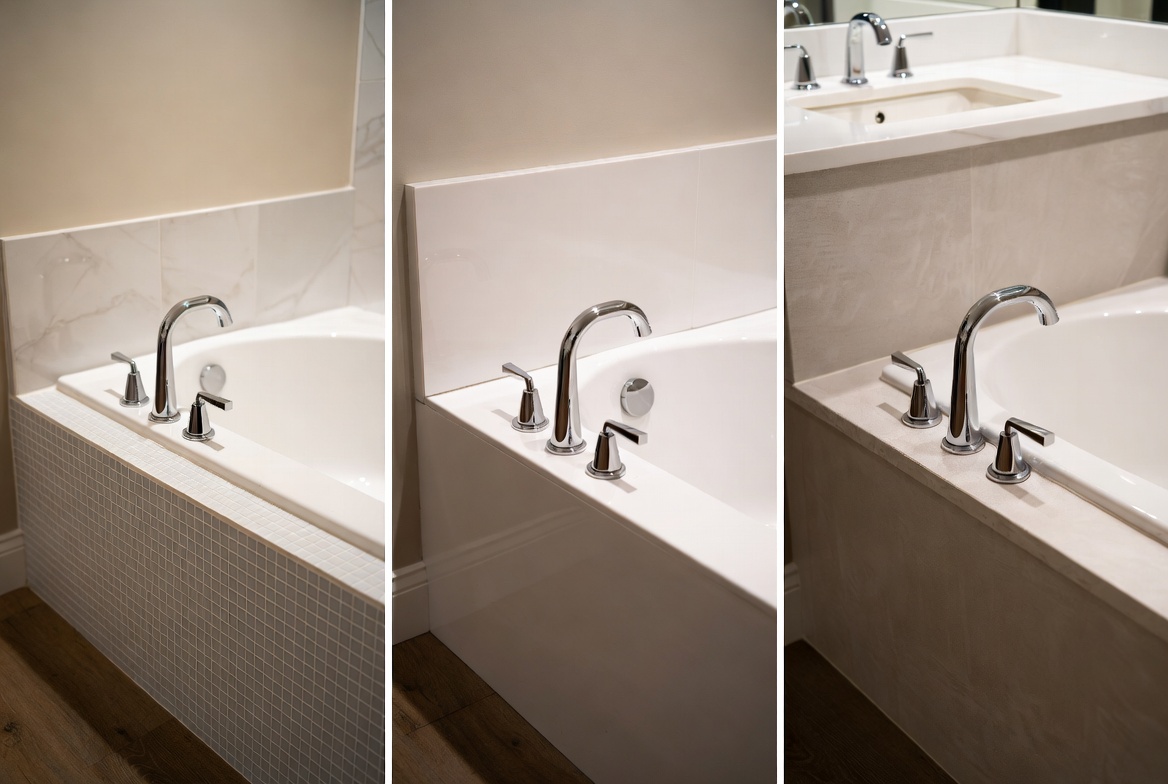
Large-format tile creates a calmer, more seamless backdrop. It reduces visual noise and makes the tub area feel carved from one continuous surface.
This approach is ideal for modern spa bathrooms, especially when paired with warm neutral colors such as beige, taupe, sand, and cream.
One of the strongest 2026 directions is the move toward smaller or no grout lines. This not only looks cleaner, it also supports easier maintenance and a more architectural finish.
For clients who want a premium look without constant upkeep, this is one of the best design choices available.
Cool white and gray bathrooms are giving way to softer, warmer tones. Think clay, mushroom, greige, ivory, and soft beige.
These tones pair well with wood accents, brushed metal, and softly textured tile. They also help the tub area feel more inviting and less clinical.
Stacked tile patterns are a smart way to add structure without visual clutter. Houzz data shows rising interest in horizontally stacked shower wall tile, which also translates well to tub surround design.
Use this style when you want clean lines, modern balance, and a layout that feels tailored rather than decorative.
For high-end projects, slab-style walls or stone-look panels deliver the most dramatic result. A single continuous surface around the tub creates a true boutique-hotel feel.
This works especially well in larger bathrooms and in projects where the client values visual simplicity and premium impact.
A good surround is not only about appearance. It must also account for weight, access, waterproofing, and long-term serviceability.
1. Measure the bath area carefully before choosing materials.
2. Confirm the floor can support the tub plus water load.
3. Include access points for plumbing maintenance.
4. Plan waterproofing before the finish surface is installed.
5. Seal joints and edges properly to reduce the risk of leaks.
This is where many projects fail. The surround may look beautiful on day one, but poor waterproofing or weak structural planning can lead to expensive repairs later.
For homeowners, designers, and sourcing teams, the best surround is the one that fits the project's real conditions. Use the checklist below before finalizing a material choice.
- Choose a material that matches the cleaning expectations of the user.
- Match the surround style to the bathtub shape and bathroom size.
- Use large-format finishes when the goal is a clean, calm look.
- Avoid porous materials unless sealing and maintenance are acceptable.
- Plan for installation complexity early, not after ordering materials.
- Make sure the design supports both visual appeal and long-term durability.
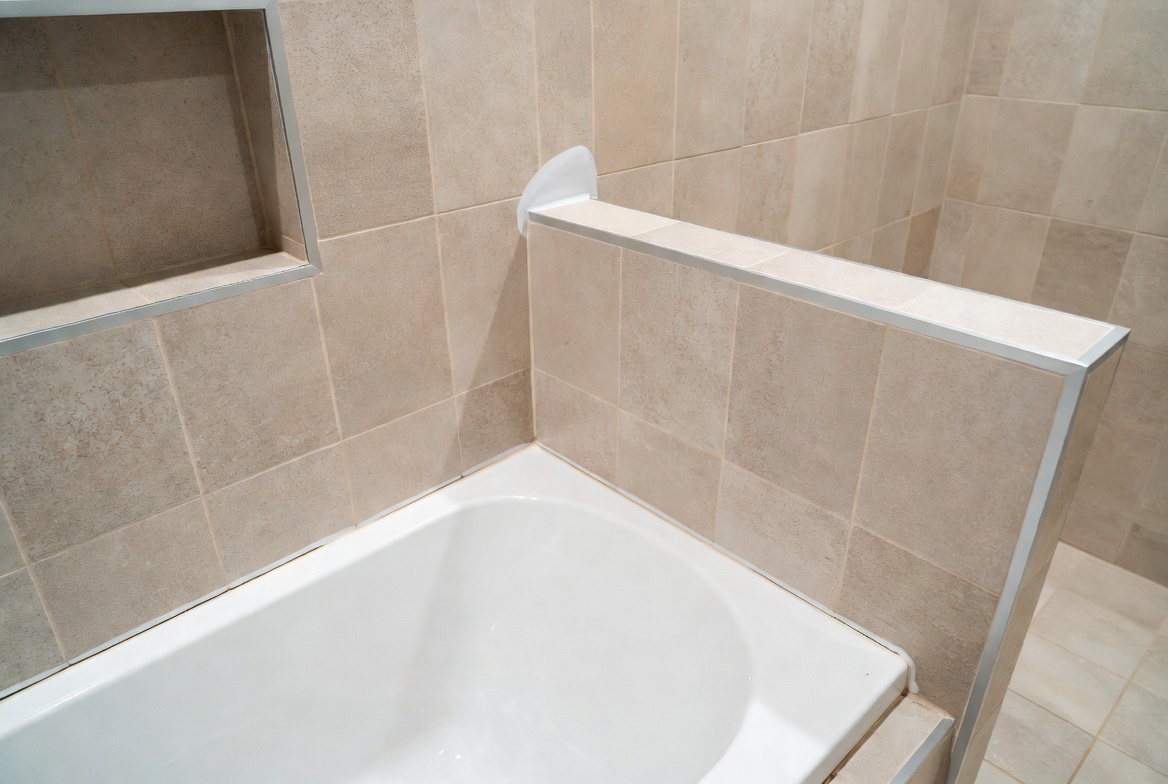
For brands, wholesalers, and project buyers, the best tub surround solution is often the one that can be standardized without losing flexibility. Modular systems, acrylic panels, solid surface finishes, and customizable tile-look panels can reduce lead time while preserving a premium appearance.
This is especially useful in export-oriented bathroom product lines, where buyers often want a balance of design consistency, ease of installation, and lower maintenance for the end customer.
A surround should look refined for years, not only on installation day. That is why easy cleaning, stain resistance, and sealed joints matter so much.
- Clean with mild, non-abrasive products.
- Re-seal stone and grout on a regular schedule.
- Inspect caulk lines for cracking.
- Improve ventilation to reduce mildew risk.
- Repair small defects before they become water problems.
If you are planning a luxury bathroom upgrade, choose a surround system that delivers beauty, durability, and easy maintenance in one solution. For trade buyers, this is also the right moment to evaluate customizable bathtub and surround options that support branded projects, private-label programs, and large-scale bathroom supply needs.
Porcelain tile, large-format tile, acrylic panels, and solid surface panels are among the best options because they balance durability, cleaning ease, and visual appeal.
Yes. Large-format surfaces reduce grout lines, create a cleaner look, and align with current bathroom design demand for lower-maintenance finishes.
Natural stone is excellent for luxury bathrooms, but it requires sealing and more careful maintenance than porcelain or acrylic.
Warm neutrals, soft textures, minimal grout, and stone-inspired finishes are the strongest directions for 2026 bathroom design.
Yes. Modular panels, acrylic systems, and solid surface options can be customized for project size, finish, and installation requirements.
- [Soaking Tub Surround Ideas to Transform Your Bathroom]
- [KBIS Releases Annual 2026 Bath Trends Report]
- [2025 U.S. Houzz Bathroom Trends Study]
- [Bathroom Design Trends To Consider Before Remodeling]
- [Primary Bathroom Designs & Remodel Trends for 2026]
- [Shower Wall Panels & Surround Kits]


