
Views: 243 Author: Miluo Smart Home Publish Time: 2026-08-26 Origin: Site


Content Menu
● Why Biophilic Bathroom Design Matters
>> The commercial value of a nature-inspired collection
● Start with the Bathtub as the Focal Point
>> Choose the right bathtub shape
>> Focus on bathing ergonomics
● Build a Natural Material Palette That Lasts
>> A reliable material formula
>> Solid-surface bathtubs for a modern organic look
● Use Light to Create a Spa-Like Bathroom
● Add Greenery Without Creating Maintenance Problems
>> Suitable plant directions for bathrooms
● Make Water Efficiency Part of the Luxury Experience
● Nature Bathroom Design Checklist for Brands and Projects
● Create a Custom Nature Bathroom Collection with Miluo
● FAQ
>> Which bathtub is best for a biophilic bathroom?
>> Can a small bathroom have a nature-inspired design?
>> What colors work best in a natural bathroom design?
>> Are solid-surface bathtubs suitable for luxury bathroom projects?
>> How can a bathroom brand customize a nature-inspired product collection?
>> How can water-efficient fixtures still feel luxurious?
A thoughtfully designed nature bathroom turns a daily routine into a restorative ritual. By combining natural light, tactile materials, greenery, water-conscious fixtures, and a well-proportioned freestanding bathtub, designers and bathroom brands can create spaces that feel calm, premium, and enduring rather than trend-led.
For hospitality projects, residential developments, and luxury home collections, the strongest biophilic bathroom designs are not built around one decorative feature. They are created through a balanced system of materials, light, moisture control, storage, bathing ergonomics, and product durability.
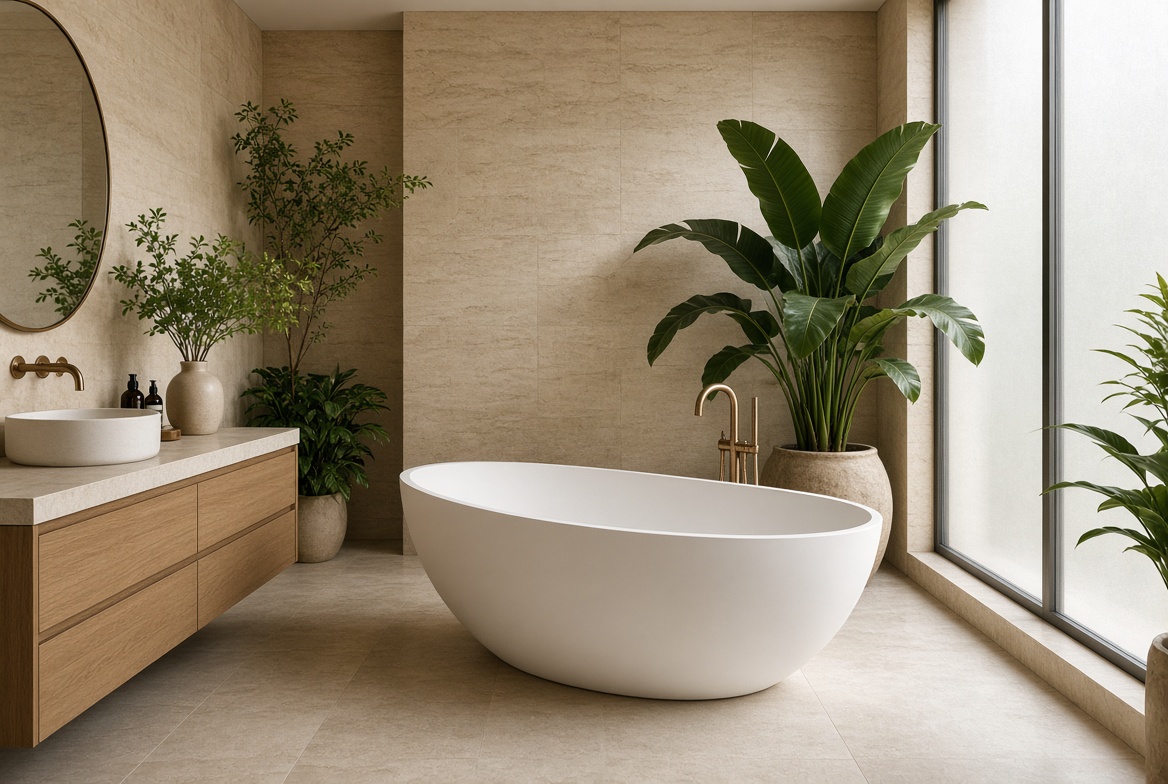
A nature bathroom, often called a biophilic bathroom, is an interior that strengthens the connection between people and the natural world. It uses cues such as daylight, organic textures, flowing water, plants, stone-like surfaces, warm timber tones, and curved forms to make the room feel more grounded.
This approach is especially effective in bathrooms because the room already involves water, privacy, cleansing, and personal recovery. The aim is not to recreate a jungle indoors. Instead, it is to create a calm, sensory space where natural elements feel intentional and easy to maintain.
A successful nature-inspired bathroom usually includes:
- Natural or nature-inspired materials, including stone, wood-look surfaces, textured ceramics, and solid-surface products
- A calming color palette based on sand, clay, moss, charcoal, mineral grey, off-white, or deep green
- Layered lighting, with daylight where possible and warm artificial light for evening use
- Living greenery suited to the room's humidity and available light
- A focal-point bathtub that supports comfortable soaking and creates a sculptural visual anchor
- Water-efficient products that balance a refined experience with responsible resource use
Modern bathrooms are increasingly expected to deliver more than hygiene. In premium homes, boutique hotels, wellness spaces, and high-end residential projects, they are becoming private retreat zones.
Natural elements can make a room feel quieter, warmer, and more emotionally comfortable. Research on biophilic design has linked exposure to daylight, greenery, and natural materials with improved mood, reduced stress, and stronger feelings of wellbeing. The bathroom application should be approached carefully: visual calm is valuable, but performance remains essential.
For product buyers and project teams, this means selecting products that look organic while standing up to real-world use. A beautiful bathtub that stains easily, retains too much surface heat, or is difficult to clean will weaken the customer experience over time.
For bathroom brands, wholesalers, and project suppliers, a biophilic collection can create differentiation beyond price.
It offers a coherent design story that can be applied across:
- Freestanding bathtubs
- Countertop basins
- Wall-hung vanities
- Shower trays and screens
- Faucets and shower systems
- Mirrors and lighting
- Accessories and storage solutions
Rather than selling isolated products, brands can present a complete bathing environment. This increases cross-selling potential and makes it easier for retailers, designers, and end customers to visualize the finished space.
In a luxury nature bathroom, the bathtub often sets the emotional tone of the entire room. Its silhouette, finish, size, and placement influence every other design decision.
A freestanding bathtub works particularly well because it creates visual space around the product. Curved forms echo stones softened by water, while oval and asymmetrical profiles introduce a more relaxed feel than sharp rectangular layouts.
| Bathtub type | Best for | Design effect | Key consideration |
|---|---|---|---|
| Oval freestanding bathtub | Modern luxury bathrooms | Soft, balanced, timeless | Requires clear circulation space around the tub |
| Japanese soaking bathtub | Compact premium spaces | Deep relaxation and spa-like character | Prioritize depth, back support, and easy entry |
| Back-to-wall bathtub | Smaller residential projects | Clean look with efficient space use | Confirm wall fit and plumbing alignment |
| Rectangular freestanding bathtub | Contemporary hotels and apartments | Architectural and minimal | Soften the room with timber, lighting, or plants |
| Asymmetrical bathtub | Design-led residential projects | Sculptural and distinctive | Ensure the form supports comfortable bathing posture |
A luxury bathtub should not be selected by appearance alone. The most successful models balance proportions with body comfort.
When developing an OEM or ODM bathtub program, evaluate:
- Internal depth: A deeper bathing area can support a more immersive soaking experience.
- Backrest angle: A comfortable incline reduces pressure on the lower back and neck.
- Rim width: A practical rim can hold small bath items without making the bathtub look heavy.
- Drain position: A centrally positioned or carefully offset drain can improve comfort while reclining.
- Overflow design: Integrated overflow solutions protect the room while preserving a clean visual line.
- Material thickness and stability: The bathtub should feel solid, quiet, and secure in use.
For manufacturers and private-label buyers, these details are where a basic product becomes a premium product.
Natural-looking interiors only feel luxurious when materials age well. Bathrooms are exposed to water, steam, cosmetics, cleaning products, temperature changes, and daily handling. Therefore, the design concept must be supported by practical surface choices.
A balanced material palette can combine a few contrasting textures rather than using one material everywhere.
Use one primary surface, one warm material, one darker accent, and one soft finish.
For example:
- Primary surface: Warm-white stone-look porcelain or microcement-look wall panels
- Warm material: Moisture-resistant timber vanity or wood-effect cabinetry
- Dark accent: Brushed bronze, matte black, or graphite faucet finish
- Soft finish: Matte solid-surface bathtub and basin in white, ivory, sand, or muted grey
This formula creates depth without visual clutter. It also allows brands to offer coordinated product sets across multiple price levels.
A solid-surface bathtub can be an effective choice for nature-inspired bathroom collections because it often provides a smooth, matte appearance that resembles carved stone while retaining a contemporary feel.
When specifying this category, buyers should verify:
- Surface repairability for minor scratches or wear
- Resistance to common bathroom stains
- Color consistency between production batches
- Drainage and overflow compatibility
- Packaging strength for long-distance transport
- Quality-control procedures for surface finish, dimensions, and stability
For export programs, appearance is only one part of the product specification. Reliable packaging, inspection standards, documentation, and replacement-part support are equally important.
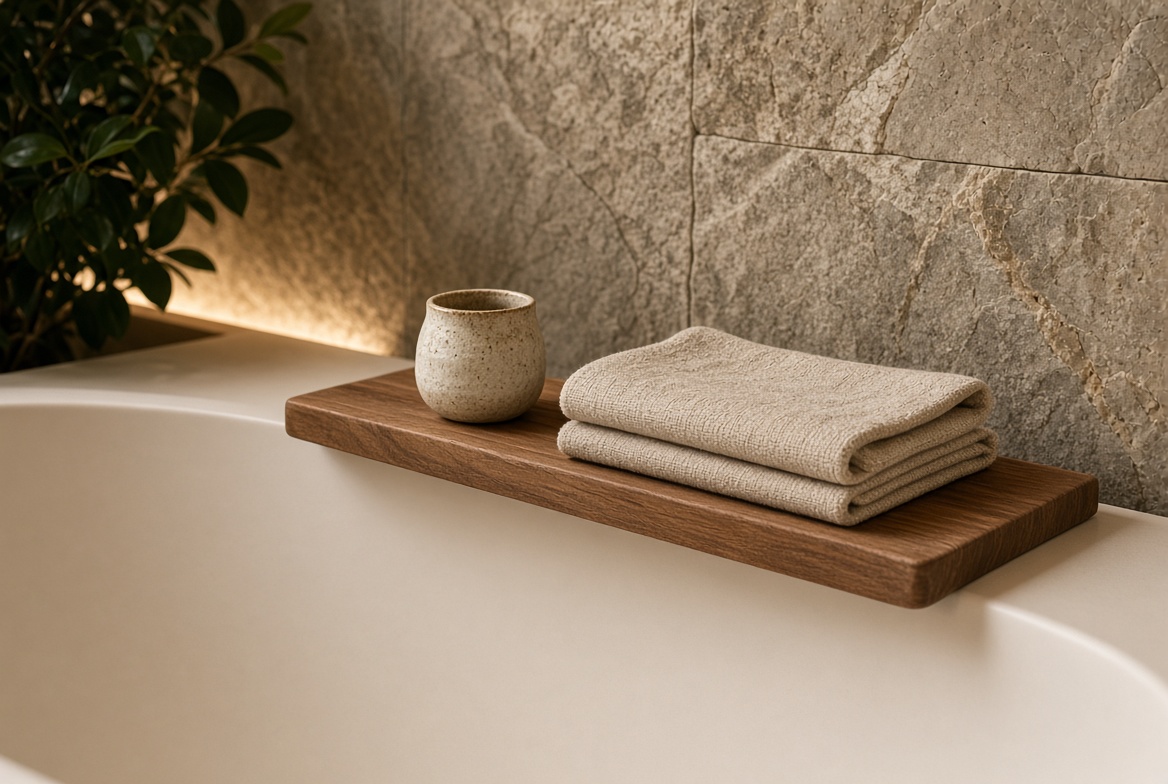
Light is one of the fastest ways to make a nature bathroom feel more premium. It changes how stone, wood, water, and matte surfaces are perceived throughout the day.
Where privacy and architecture permit, daylight should be the first layer. A window near the bathtub, a skylight, frosted glazing, or a high clerestory opening can introduce natural brightness without compromising privacy.
At night, the room needs warm, layered lighting rather than one harsh ceiling fixture.
1. Ambient lighting provides the overall illumination for safe movement.
2. Task lighting around the mirror supports grooming and daily use.
3. Accent lighting highlights a bathtub, textured wall, niche, plant, or vanity base.
4. Low-level lighting creates a quiet nighttime mood and improves navigation.
Choose warm light for the bathing zone, especially in rooms with timber, beige stone, olive green, clay, or off-white surfaces. Avoid overly cool lighting, which can make natural materials look flat and clinical.
Plants can make a bathroom feel alive, but they need to match actual room conditions. A poorly placed plant becomes a maintenance burden and can undermine a premium interior.
Before adding greenery, assess the available daylight, air circulation, temperature, and humidity pattern. Bathrooms with no windows may require artificial plant installations, preserved botanical features, or a stronger focus on natural textures instead.
- Low-light greenery: Suitable for rooms with indirect daylight
- Humidity-tolerant plants: Better for bathrooms with regular shower use
- Statement plants: Best placed beside a freestanding bathtub or near a window
- Small potted plants: Useful for open shelving, vanities, or window ledges
- Vertical greenery: Effective in hospitality or showroom projects, provided drainage and maintenance are planned from the start
Keep plants away from high-traffic circulation zones and avoid placing them where dripping water can create slip risks.
Sustainability and luxury are no longer opposing ideas. Water-efficient fixtures can support a premium bathroom when they are engineered to maintain comfort, spray quality, and reliable performance.
WaterSense-labeled products are designed to meet performance requirements while using less water than standard products. For example, qualifying showerheads use no more than 2.0 gallons per minute, while qualifying lavatory faucets have a maximum flow rate of 1.5 gallons per minute under specified testing conditions.
The design opportunity is to combine water-saving performance with a satisfying user experience:
- Select shower systems with consistent spray coverage.
- Use thermostatic controls for steadier temperature management.
- Consider dual-flush toilet options for suitable markets.
- Match bathtub capacity to the target user and project type.
- Provide clear care and operation guidance with the finished product.
Water-saving decisions should be verified against the applicable standards in each destination market. Requirements differ across regions, product categories, and project types.
Before finalizing a bathroom collection or project specification, use this checklist:
- Does the bathtub create a clear visual focal point?
- Are materials suitable for steam, water exposure, and cleaning products?
- Does the lighting support both grooming and relaxation?
- Is the color palette limited enough to feel calm?
- Are plant selections realistic for the room's light and ventilation?
- Are fixtures compatible with local plumbing and efficiency requirements?
- Have bathtub dimensions been checked against the room layout and door access?
- Is there adequate storage to keep counters visually uncluttered?
- Have packaging, installation instructions, and after-sales parts been planned?
- Does the collection create a consistent story across tubs, basins, vanities, and shower products?
A well-designed nature bathroom is not simply a collection of green plants and stone finishes. It is a carefully engineered experience where comfort, visual calm, functionality, and durable product quality work together.
Jiaxing Miluo Smart Home Co., Ltd. supports international brands, wholesalers, and manufacturing partners with OEM and ODM bathroom solutions, including modern bathtubs and coordinated sanitaryware products. From product shape and color matching to material selection, packaging, and private-label development, our team can help turn a nature-inspired bathroom concept into a market-ready collection.
Contact Miluo to discuss your custom bathtub, coordinated bathroom product range, or next OEM/ODM project.
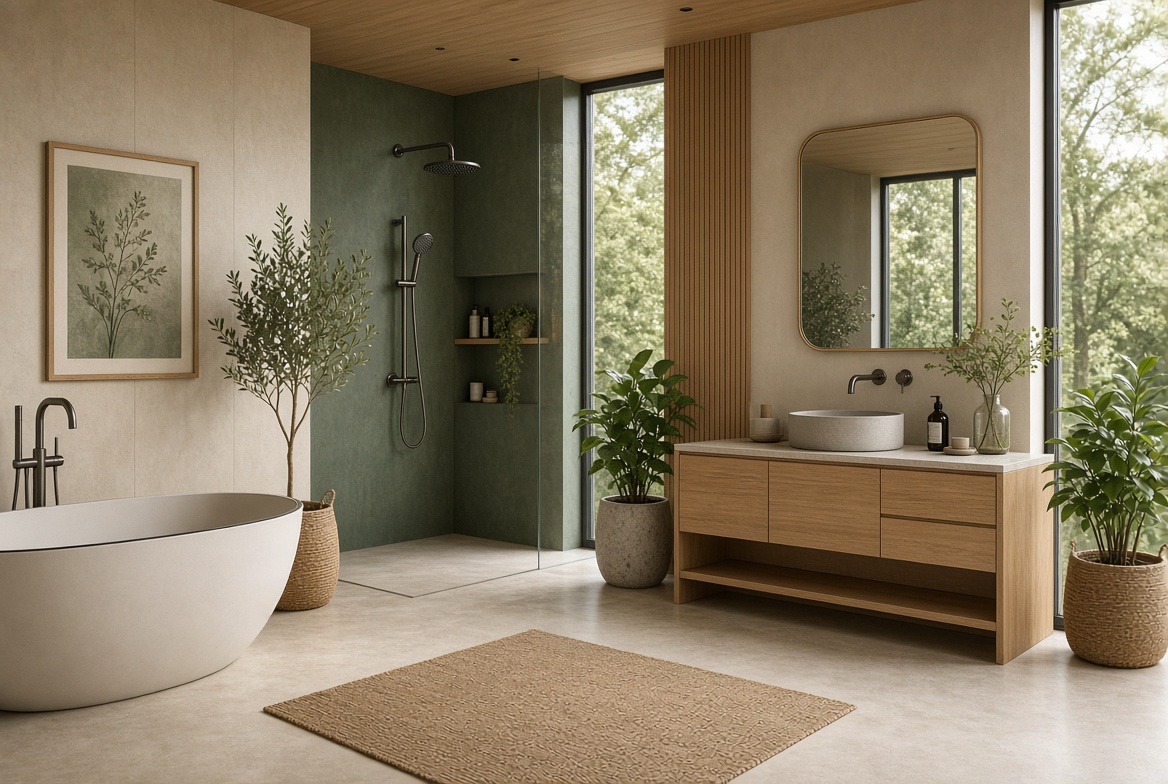
A nature bathroom is a bathroom designed around natural light, organic textures, calming colors, greenery, and water-inspired forms. It aims to create a more restorative and visually balanced environment.
An oval freestanding bathtub is often a strong choice because its soft curves complement stone, timber, plants, and warm lighting. Japanese soaking bathtubs are also suitable for smaller spaces that prioritize deep, immersive bathing.
Yes. Use a limited palette, light-reflective finishes, one or two natural materials, a compact bathtub or back-to-wall bathtub, and a small amount of greenery. Avoid overcrowding the room with too many decorative elements.
Warm white, sand, taupe, clay, soft grey, moss green, charcoal, and natural wood tones work well. The best choice depends on the amount of daylight and the desired mood.
They can be suitable when the product has stable construction, a durable finish, consistent dimensions, compatible drainage components, and clear care instructions. Buyers should also confirm packaging and quality-control standards for export shipments.
A manufacturer can customize bathtub shapes, sizes, finishes, logos, packaging, accessory options, and coordinated basin or vanity designs. The project should begin with target market requirements, product positioning, and a clear visual direction.
A well-designed water-efficient showerhead or faucet maintains stable flow, comfortable spray coverage, and easy temperature control. The user experience depends on engineering quality, not simply on the flow-rate figure.
1. [Aquatica Baths USA — Nature Bathroom Ideas]
2. [U.S. Environmental Protection Agency — WaterSense Labeled Toilets]
3. [Safe Plumbing — WaterSense Product Requirements]
4. [National Library of Medicine — Assessing Water Use in WaterSense-Labeled Homes]
5. [Integris Health — Benefits of Biophilic Design]
6. [U.S. Department of Energy — Purchasing Water-Efficient Bathroom Fixtures]


