
Views: 222 Author: Miluo Smart Home Publish Time: 2026-05-20 Origin: Site


Japanese bathtubs and Japanese-style tubs may look similar at first glance, but they differ in design, function, and how they fit into a modern bathroom—especially if you are planning a custom luxury installation with OEM/ODM support. From an industry OEM perspective, understanding these differences helps you choose the right product and specification for your brand, project, or end customer. [thestylesaloniste]
In international markets, the term "Japanese bathtub" often refers to a true Japanese soaking tub (ofuro), whether installed in Japan or adapted for global homes. A "Japanese-style tub" usually means a bathtub that borrows Japanese aesthetics—minimalist lines, deep soaking look, or compact footprint—but is engineered to fit Western bathrooms, plumbing standards, and multi-function needs. [givingtreehome]
From a manufacturing and OEM/ODM point of view, this distinction is critical. A real ofuro follows specific depth, ergonomics, and cultural use patterns, while Japanese-style tubs may sit somewhere between a traditional soaking tub and a Western bathtub in terms of dimensions, materials, and usage scenarios. [bartokdesign]

A true Japanese bathtub (ofuro) is typically deeper and more compact, while Japanese-style tubs often soften these extremes to better fit global expectations and bathroom layouts. [thestylesaloniste]
- Depth: Traditional Japanese soaking tubs often reach 22–30 inches deep, allowing water to cover the shoulders in a seated posture. Japanese-style tubs inspired by this concept may still be deeper than typical Western tubs but often stay closer to 15–20 inches to balance comfort with safety and accessibility. [givingtreehome]
- Length and footprint: Ofuros are usually shorter (around 40–60 inches long) but use vertical space, making them ideal for compact bathrooms. Japanese-style tubs may extend length or width to allow semi-reclining positions, catering to customers who want a familiar "bathtub feel" with a Japanese twist. [bartokdesign]
- Bathing posture: In an ofuro, users sit upright with bent knees and water at shoulder level; Japanese-style tubs often support a semi-reclined or hybrid posture that feels more like a Western bath. [thestylesaloniste]
Traditionally, Japanese soaking tubs are crafted from hinoki or other aromatic woods, but in modern international markets they are also made from acrylic, stone, and solid-surface materials. Japanese-style tubs more often adopt global-standard materials such as acrylic, fiberglass, solid surface, or composite, designed for durability and easier integration with existing bathroom systems. [givingtreehome]
From a manufacturer's viewpoint:
- Japanese bathtubs (ofuro):
- Often use premium woods or stone to create a natural, spa-like feel. [bartokdesign]
- May require tailored sealing, special drainage planning, and more attentive maintenance.
- Japanese-style tubs:
- Can be engineered in solid surface, acrylic, or composite for consistent quality, lighter weight, and better thermal performance.
- Fit well with mass customization and branded OEM/ODM programs, especially when you want repeatable quality across large orders. [alibaba]
For a manufacturer like Jiaxing Miluo Smart Home Co., Ltd., this opens space to combine traditional visual elements (rounded lines, compact deep forms) with modern material technologies to deliver customizable, high-end tubs that are easier to produce and maintain at scale. [anmeifaucet]
Japanese bathing culture treats the bath as a ritual of relaxation rather than a cleansing step—you wash and rinse before entering the tub, then soak in clean hot water for recovery and rest. An ofuro in its pure form is built around this single purpose: deep, sustained soaking, often in the evening as part of a wind‑down routine. [thestylesaloniste]
In contrast, Japanese-style tubs targeted at overseas markets must often serve multiple roles:
- Soaking and daily bathing in one unit.
- Integration with showers, handheld sprayers, or modern spa features.
- A hybrid of ritual and practicality, especially in family bathrooms. [givingtreehome]
This is why many Japanese-style tubs include overflow systems, standard drainage, and optional shower combinations, more similar to Western bathtubs but with a deeper, more "immersive" feel. [thestylesaloniste]
To help users and B2B buyers quickly see key differences, the table below summarizes common characteristics.
| Feature | Japanese Bathtub (Ofuro) | Japanese-Style Tub |
|---|---|---|
| Depth | 22–30 inches, very deep for shoulder-level soaking thestylesaloniste | Typically 15–20 inches, deeper than Western tubs but more moderate givingtreehome |
| Length | Shorter, about 40–60 inches thestylesaloniste | Often longer or wider to allow semi-reclined postures givingtreehome |
| Posture | Upright, knees bent, seating bench common thestylesaloniste | Semi-reclined or hybrid seated positions givingtreehome |
| Primary Purpose | Relaxation and ritual soaking only thestylesaloniste | Soaking plus daily bathing and sometimes showering thestylesaloniste |
| Materials | Traditionally wood; modern versions in wood, stone, FRP, or acrylic givingtreehome | Acrylic, solid surface, composite, or stone-like materials thestylesaloniste |
| Installation | Often freestanding or drop‑in, sometimes with separate wet zone thestylesaloniste | Freestanding, alcove, or built‑in, optimized for standard plumbing layouts thestylesaloniste |
| Maintenance | Moderate to high, especially with wood thestylesaloniste | Designed for lower maintenance and everyday use thestylesaloniste |
| Best For | Spa‑like bathrooms, wellness suites, luxury hotels thestylesaloniste | Residential bathrooms, hotels, and projects needing both style and daily usability thestylesaloniste |
From a user experience angle, the distinction comes down to intent, lifestyle, and space.
Choose a Japanese bathtub (ofuro) if:
- You or your clients prioritize slow, meditative bathing rituals.
- The bathroom already has a separate shower, so the tub does not need to multitask. [thestylesaloniste]
- The project is focused on spa-level relaxation, boutique hotels, or luxury residences where bath time is a key part of the value promise. [givingtreehome]
Choose a Japanese-style tub if:
- The bathroom must serve daily family use with flexible functionality. [givingtreehome]
- You need a tub that fits common Western layouts while evoking Japanese design.
- You want to offer premium aesthetics without fully committing to a traditional ofuro's volume, depth, and cultural constraints. [thestylesaloniste]
For OEM/ODM buyers, this UX lens helps segment product lines: one series truly rooted in traditional Japanese soaking, another line that brings Japanese style into mainstream bathrooms.
As a manufacturer serving international brands, wholesalers, and project contractors, OEM and ODM flexibility is a major strategic advantage. Japanese bathtubs and Japanese-style tubs each open different customization paths: [alibaba]
- Japanese soaking bathtubs (OEM/ODM opportunities):
- Tailored dimensions for small apartments vs resort suites.
- Material combinations (e.g., acrylic ofuro interior with decorative wood cladding) to balance aesthetics and maintenance.
- Integration of overflow systems, heaters, or covers to retain heat and meet modern safety standards. [bartokdesign]
- Japanese-style tubs (OEM/ODM opportunities):
- Branded solid-surface or acrylic models with custom colors and textures. [anmeifaucet]
- Integration with shower systems, glass partitions, and smart controls for all‑in‑one bathroom solutions. [linkedin]
- Pre-engineered collections that combine tubs with matching vanities and fixtures, helping distributors sell complete bathroom packages. [alibaba]
This OEM/ODM perspective allows a company like Jiaxing Miluo Smart Home Co., Ltd. to position itself not only as a product supplier but as a solution partner who helps global clients design, prototype, and mass‑produce differentiated bathtub lines. [anmeifaucet]
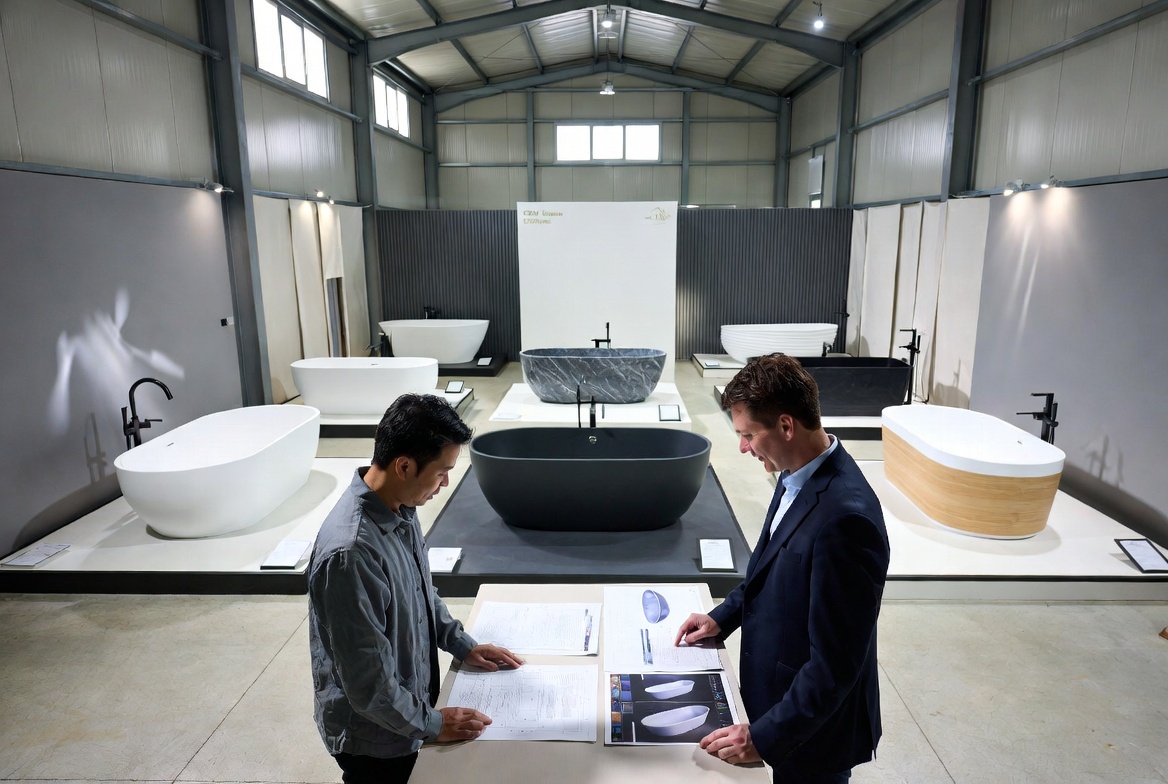
From an industry expert standpoint, several design and specification points frequently appear in successful projects:
1. Match tub type to end-user behavior
Markets where bathing is rare and showers dominate may respond better to Japanese‑style tubs that integrate shower functions. High‑end residential or hospitality projects emphasizing wellness can fully embrace deep ofuro tubs. [givingtreehome]
2. Balance depth with accessibility
Extra depth is attractive on paper but can challenge users with limited mobility. Designers often specify built‑in benches, grab points, or step‑in platforms to maintain safety and comfort. [bartokdesign]
3. Consider hot water capacity and energy
Deeper tubs require more water and energy, which impacts mechanical design and running costs. In many projects, Japanese‑style tubs with moderate depth provide a better balance between immersion and energy efficiency. [thestylesaloniste]
4. Align finishes with bathroom concept
Minimalist, wood-toned ofuros suit zen or spa-style bathrooms, while sleek solid-surface Japanese-style tubs blend better with modern hotel or urban apartment aesthetics. [anmeifaucet]
From a technical perspective, Japanese bathtubs and Japanese-style tubs can impose different requirements on plumbing and structure:
- Floor loading and structure: Deep ofuros hold more water per square meter, increasing load requirements on floors; planners must validate structural capacity for high-rise or retrofit projects. [givingtreehome]
- Drainage and water management: Traditional Japanese bathrooms often have entire wet zones with floor drains; international projects may need custom waterproofing, thresholds, or step-in solutions to replicate this practice. [bartokdesign]
- Codes and standards: Japanese-style tubs engineered for global markets are often easier to certify under local codes, while heavily customized or wood-based ofuros may need additional testing or documentation.
For OEM/ODM collaboration, manufacturers and brand owners should jointly define technical data sheets, test reports, and installation guides to streamline global approvals and reduce project risk. [gobkbg]
Maintenance expectations differ notably between the two categories:
- Japanese bathtubs (ofuro):
- Wood-based models require gentle cleaning, regular drying, and periodic maintenance to prevent warping or mold. [bartokdesign]
- Users must avoid aggressive chemicals and sometimes limit use of soaps or bath products in the tub itself. [givingtreehome]
- Japanese-style tubs:
- Typically support standard bathroom cleaning routines and detergents, making them more practical for busy households or hospitality operations. [thestylesaloniste]
- Solid-surface and acrylic models often have longer cosmetic lifespans under high-frequency use.
For brands working with OEM partners, offering clear maintenance documentation and after-sales support content enhances perceived quality and reduces long-term complaints. [linkedin]
As a modern high-end bathroom product manufacturer specializing in OEM and ODM services, a company like Jiaxing Miluo Smart Home Co., Ltd. can:
- Help brands develop exclusive Japanese or Japanese-style bathtub collections tuned to their regional markets. [alibaba]
- Align tubs with complete bathroom solutions, including vanities, shower spaces, and accessories, to deliver a cohesive luxury experience. [anmeifaucet]
- Provide engineering support, from CAD drawings to technical documentation, improving collaboration with architects, developers, and hospitality operators. [linkedin]
This combination of cultural understanding, manufacturing capability, and customization options allows global partners to bring authentic Japanese-inspired bathing experiences into real-world projects at scale.
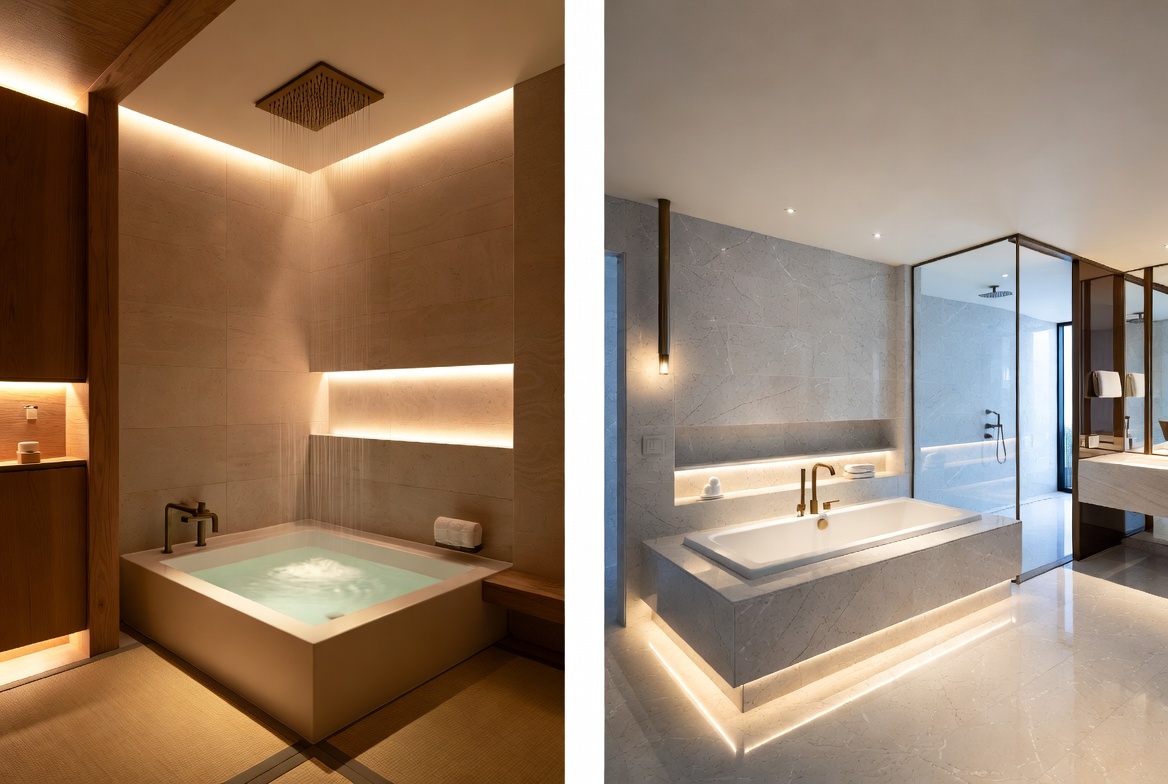
If you are a bathroom brand owner, distributor, or project contractor, the next step is to define:
- Whether your core users need a true Japanese soaking ritual or a Japanese-style multi-function tub.
- What dimensions, materials, and finishes best fit your positioning and markets.
- How an OEM/ODM partner can help you launch a differentiated collection with reliable quality and on-time delivery. [alibaba]
When you are ready to develop or upgrade your bathtub line, collaborate with a specialized manufacturer like Jiaxing Miluo Smart Home Co., Ltd. to co-create custom Japanese and Japanese-style bathtub solutions tailored to your market, brand, and projects.
1. Are Japanese soaking bathtubs more comfortable than Japanese-style tubs?
Japanese soaking bathtubs offer a deeper, more enveloping soak that many users find extremely relaxing, especially when used as part of a nightly ritual. Japanese-style tubs provide a balance between deep soaking and familiar semi-reclining positions, which some users find more versatile for everyday use. [bartokdesign]
2. Do Japanese soaking tubs use more water than Japanese-style tubs?
Because of their depth, traditional ofuros often require a larger volume of water, even though their footprint is smaller. Japanese-style tubs may moderate depth, reducing water volume and energy use while still delivering a more immersive experience than standard Western tubs. [bartokdesign]
3. Can Japanese-style tubs include shower functions?
Yes, many Japanese-style tubs are designed to integrate with shower systems or handheld sprayers, especially in markets where space is limited and fixtures must multitask. This makes them more suitable than traditional ofuros for single-bathroom homes and family environments. [thestylesaloniste]
4. Are wooden Japanese bathtubs suitable for all projects?
Wooden ofuros create a distinctive luxury experience but require higher maintenance and careful moisture management. For high-traffic, commercial, or rental projects, Japanese-style tubs in acrylic or solid surface often deliver similar aesthetics with lower long-term care needs. [anmeifaucet]
5. How can OEM/ODM buyers customize Japanese or Japanese-style tubs?
OEM/ODM buyers can customize dimensions, materials, finishes, integration with shower systems, and even accessories such as covers or benches to align with their brand positioning and regional regulations. Working with an experienced bathroom fixture manufacturer ensures these customizations remain feasible, safe, and scalable. [gobkbg]
1. "Japanese Soaking Tub vs Regular Tub: Key Differences." *The Style Saloniste*. [https://www.thestylesaloniste.com/japanese-soaking-tub-vs-regular-tub-key-differences] [thestylesaloniste]
2. "Japanese Soaking Bathtub vs. Western Bathtub." *Giving Tree Home*. [https://www.givingtreehome.com/blogs/news/japanese-soaking-bathtub-vs-western-bathtub] [givingtreehome]
3. "How is a Japanese ofuro different from a regular bathtub?" *Bartok Design*. [http://www.bartokdesign.com/japan/3-frp_ofuro/how_are_ofuros_different.php] [bartokdesign]
4. "OEM/ODM Bathroom Vanity – Luxury & Durable Solutions." *Alibaba*. [https://www.alibaba.com/showroom/odm-bathroom-vanity.html] [alibaba]
5. "Premium Bathroom Fixtures Manufacturer in China – Lanerdi." [https://www.anmeifaucet.com/bathroom/] [anmeifaucet]
6. "Maximizing Your Reach: SEO for Bathroom Renovation Companies." *LinkedIn Article*. [https://www.linkedin.com/pulse/maximizing-your-reach-seo-bathroom-renovation-companies-nj7te] [linkedin]
7. "Bathroom Remodeling SEO: Your Guide to Rank Top On Search." [https://www.gobkbg.com/blog/bathroom-remodeling-seo-your-guide-to-rank-top-on-search] [gobkbg]


