
Views: 262 Author: Miluo Smart Home Publish Time: 2026-07-29 Origin: Site


Content Menu
● Why Small Freestanding Bathtubs Are Rising in Demand
● What Makes a Small Freestanding Bathtub Different
● Benefits for Compact Bathrooms
● A Practical Selection Framework
● Why This Category Works for Brands
● FAQs
>> What is a small freestanding bathtub?
>> Are small freestanding bathtubs comfortable?
>> What is the best material for a small freestanding bathtub?
>> Can a small freestanding bathtub work in an apartment?
>> What should I check before ordering one?
>> Why do brands offer OEM and ODM small freestanding tubs?
Small freestanding bathtubs have become a smart choice for homeowners, designers, and hospitality buyers who want a luxury look without sacrificing floor space. In modern bathroom planning, the tub is no longer just a utility item; it is often the visual centerpiece that defines the room's style and mood.
This shift is supported by broader market growth in freestanding bathtubs, which are projected to expand steadily over the next decade as buyers continue investing in wellness-focused and design-led bathrooms. At the same time, recent design trends show growing demand for compact soaking tubs, minimalist silhouettes, and durable materials such as solid surface and stone-inspired composites.
For compact homes, apartments, guest bathrooms, boutique hotels, and renovation projects, the right small freestanding bathtub can deliver three things at once: comfort, visual impact, and efficient use of space. That is why it has become one of the most practical luxury upgrades in today's bathroom market.
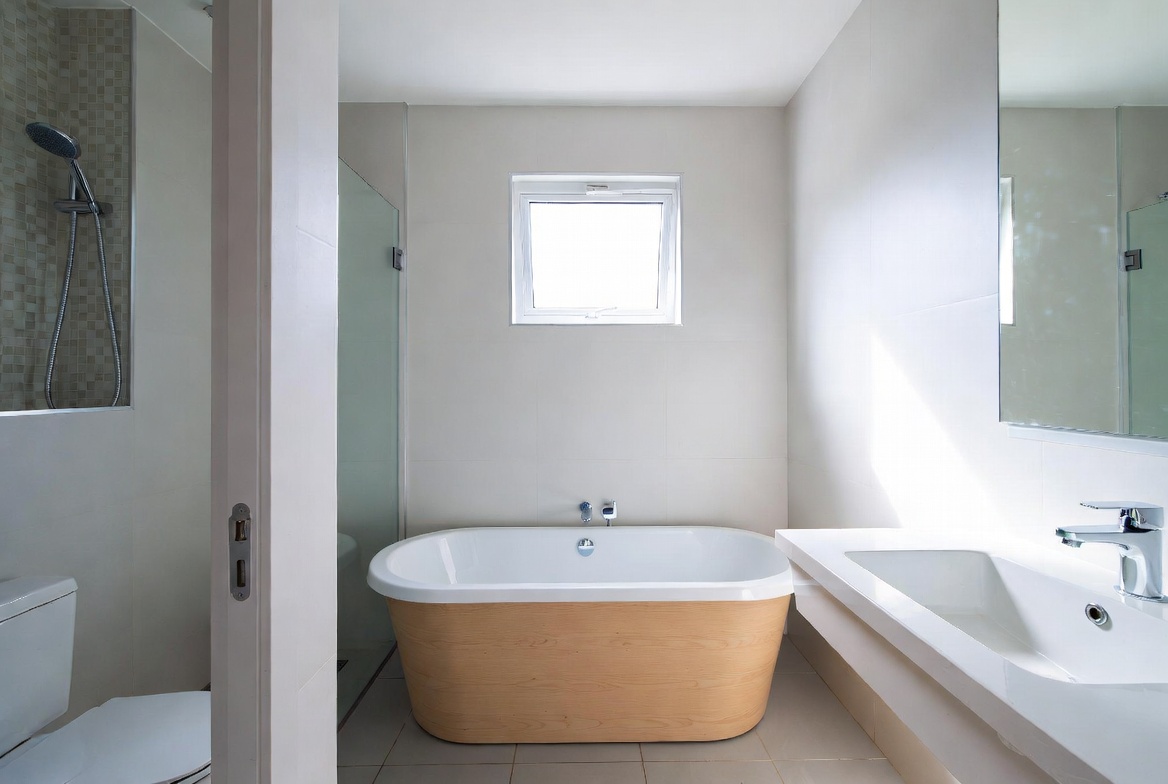
A small freestanding bathtub is not simply a shorter version of a standard tub. It is engineered to fit tighter layouts while still providing a comfortable soaking experience, stable installation, and a refined exterior profile.
The best compact tubs usually balance the following features:
- A smaller footprint for space efficiency.
- A deeper internal bathing area for better soaking comfort.
- Ergonomic back support for relaxed posture.
- Clean proportions that keep the bathroom visually open.
- Material choices that support durability and easy maintenance.
This matters because compact bathrooms often fail when the tub feels visually heavy or physically cramped. A well-designed small freestanding tub solves that problem by creating a lighter visual presence while still feeling premium and usable.
Small freestanding bathtubs are especially effective in bathrooms where every inch matters. They can help a room feel more intentional, more open, and more upscale without requiring a full redesign.
Key benefits include:
- Better space efficiency. The tub fits more easily into smaller layouts.
- Stronger aesthetic value. Freestanding form adds an architectural focal point.
- Greater layout flexibility. You can position it in ways built-in tubs cannot match.
- Higher perceived value. Buyers often associate freestanding tubs with premium living.
- More options for project customization. OEM and ODM production makes it easier to adjust dimensions, finish, and shape for different markets.
For brand owners and project buyers, this is especially important. Compact luxury bathrooms are common in urban residential projects, hotel suites, serviced apartments, and show homes, where the bathtub must look elegant but still fit a strict floor plan.
Choosing the right small freestanding bathtub requires more than checking the external length. The most important factor is how the tub performs in the actual room.
Before selecting a model, consider:
1. Bathroom dimensions and clear walking space.
2. User height and preferred bathing posture.
3. Whether the tub is intended for soaking or daily quick baths.
4. Delivery access, including door width, elevators, and stair turns.
5. Plumbing position and installation requirements.
6. The visual balance between tub size, vanity, and wall surfaces.
A compact tub should feel comfortable without overwhelming the bathroom. In many cases, a slightly deeper tub with a shorter footprint will work better than a longer but shallow model. This is especially true for urban projects where the design goal is a spa-like atmosphere in a limited footprint.
Modern buyers are increasingly drawn to compact tubs with soft geometry, clean edges, and calm visual lines. These designs fit contemporary interiors better than bulky traditional forms and help a small bathroom appear more spacious.
- Oval shapes for a softer, wellness-oriented look.
- Rounded rectangle shapes for a more architectural feel.
- Japanese-style soaking forms for deep immersion in a smaller footprint.
- Sculptural silhouettes for luxury residential or hospitality projects.
- Solid surface for a seamless, premium appearance.
- Acrylic for lightweight handling and cost efficiency.
- Stone-composite materials for a more substantial feel.
- Matte finishes for a modern, tactile look.
Among these, solid surface and stone-inspired materials are especially attractive for premium compact bathrooms because they support refined edges, visual consistency, and a more luxurious surface feel. For manufacturers and distributors, this also creates room for product differentiation across price tiers.
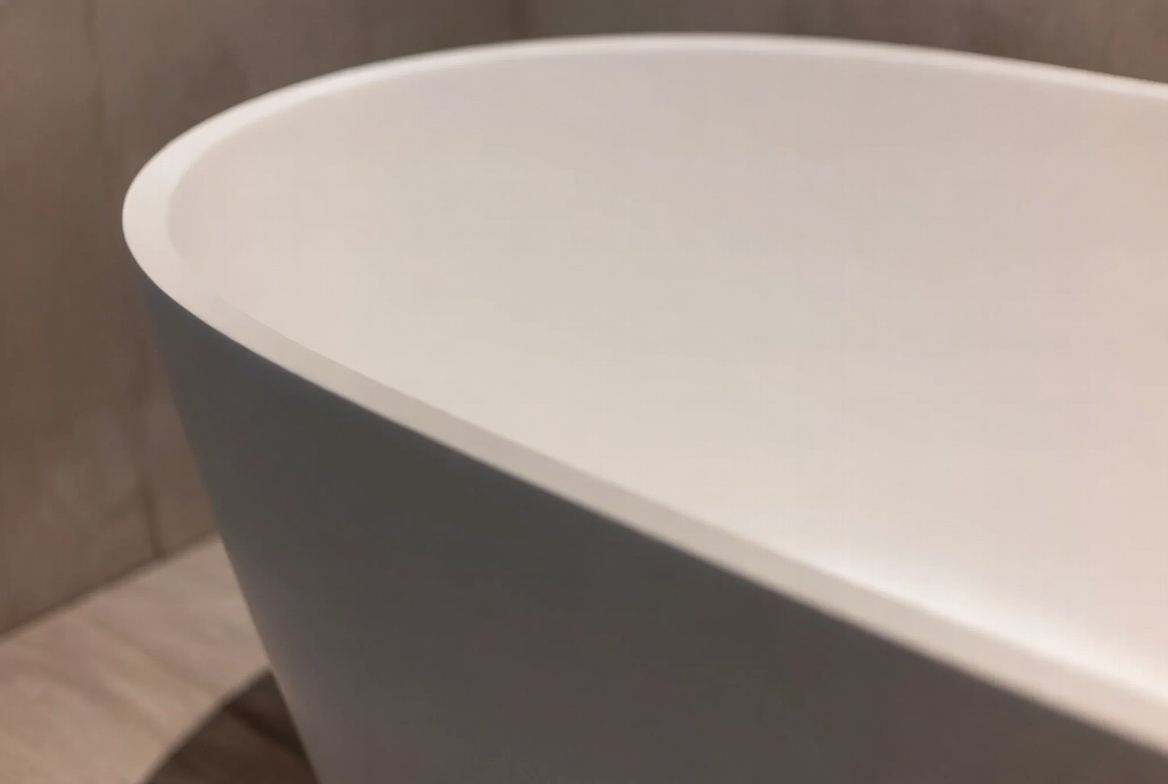
The strongest design direction in 2026 is not simply "smaller." It is "smarter, calmer, and more purposeful." Freestanding tubs are increasingly treated as sculptural objects that support wellness, sustainability, and interior harmony.
Several trends are shaping demand:
- Minimalist silhouettes. Clean, soft forms remain highly desirable.
- Deep soaking focus. Buyers want relaxation, not just bathing.
- Neutral color palettes. White, warm white, sand, beige, and soft gray remain popular.
- Matte finishes. These reduce glare and create a more contemporary look.
- Stone and nature-inspired textures. They bring a spa-like feeling into the bathroom.
- Two-tone styling. A lighter interior with a darker exterior is gaining traction in premium projects.
These trends matter because compact tubs are often installed in bathrooms where style carries extra weight. When the room is small, every finish choice becomes more visible. A compact freestanding bathtub that reflects modern design trends can significantly improve the overall perception of the space.
To help buyers choose more confidently, use a simple decision framework when comparing compact freestanding tubs.
| Selection Factor | What to Look For | Why It Matters |
|---|---|---|
| Footprint | Smaller external dimensions | Helps the tub fit tight layouts |
| Internal comfort | Deep soaking bowl and sloped back | Improves user experience |
| Material | Solid surface, acrylic, or stone-composite | Affects durability and premium feel |
| Finish | Matte, satin, or soft gloss | Shapes the visual tone of the bathroom |
| Installation | Floor-mounted and easy to align | Simplifies project execution |
| Brand fit | Custom size or private label option | Supports market differentiation |
This framework works well for developers, importers, and retail brands because it connects design decisions to real business outcomes. A tub should not just look good in a catalog; it should perform well in installation, use, and long-term customer satisfaction.
For international buyers, small freestanding bathtubs are often not just a product category but a customization opportunity. OEM and ODM services make it possible to tailor dimensions, color, surface texture, branding, and packaging to the needs of different markets.
This is particularly valuable for:
- Brand owners building a private-label bathroom line.
- Wholesalers looking to differentiate from commodity products.
- Project buyers who need a custom fit for a specific development.
- Hospitality groups seeking consistent aesthetics across properties.
From a supply-chain perspective, compact tubs also offer practical advantages. They are easier to position in urban projects, easier to pair with modern bathroom layouts, and more likely to appeal to design-conscious customers who want luxury in a smaller footprint.
Even a well-designed small freestanding bathtub can disappoint if the selection process is rushed. The most common mistake is choosing based only on external size or visual style.
Avoid these errors:
- Choosing a tub that is too shallow for comfortable soaking.
- Ignoring door width, stair access, or elevator clearance.
- Overlooking floor support and plumbing planning.
- Selecting a finish that clashes with surrounding materials.
- Prioritizing appearance over ergonomic comfort.
In compact spaces, every mistake becomes more noticeable. The best buying decisions come from combining design judgment with practical installation planning.
Small freestanding bathtubs are attractive not only to end users, but also to bathware brands, distributors, and project suppliers. They sit at the intersection of premium design, urban practicality, and customizable manufacturing.
For commercial buyers, the category offers:
- Strong appeal in space-limited markets.
- Easy alignment with luxury bathroom positioning.
- Broad use across residential and hospitality channels.
- Good potential for product-line expansion.
- Clear upsell opportunities through premium materials and finishes.
This makes the category especially relevant for manufacturers serving overseas buyers who want both visual differentiation and reliable production capability. A compact freestanding tub can be positioned as an accessible luxury product without losing premium appeal.
If the goal is to maximize both comfort and design value, the best small freestanding bathtub is the one that fits the room naturally, supports the body well, and complements the overall style of the bathroom. In compact spaces, the right tub should feel intentional rather than forced.
For buyers, designers, and brand owners, the most successful choice is usually a bathtub that combines space efficiency, deep soaking comfort, and modern visual clarity. That combination creates lasting value for end users and stronger market appeal for the product itself.
If you are sourcing small freestanding bathtubs for a private-label range, hotel project, or retail collection, now is the time to develop a compact model that matches your target market's exact size, style, and performance needs.
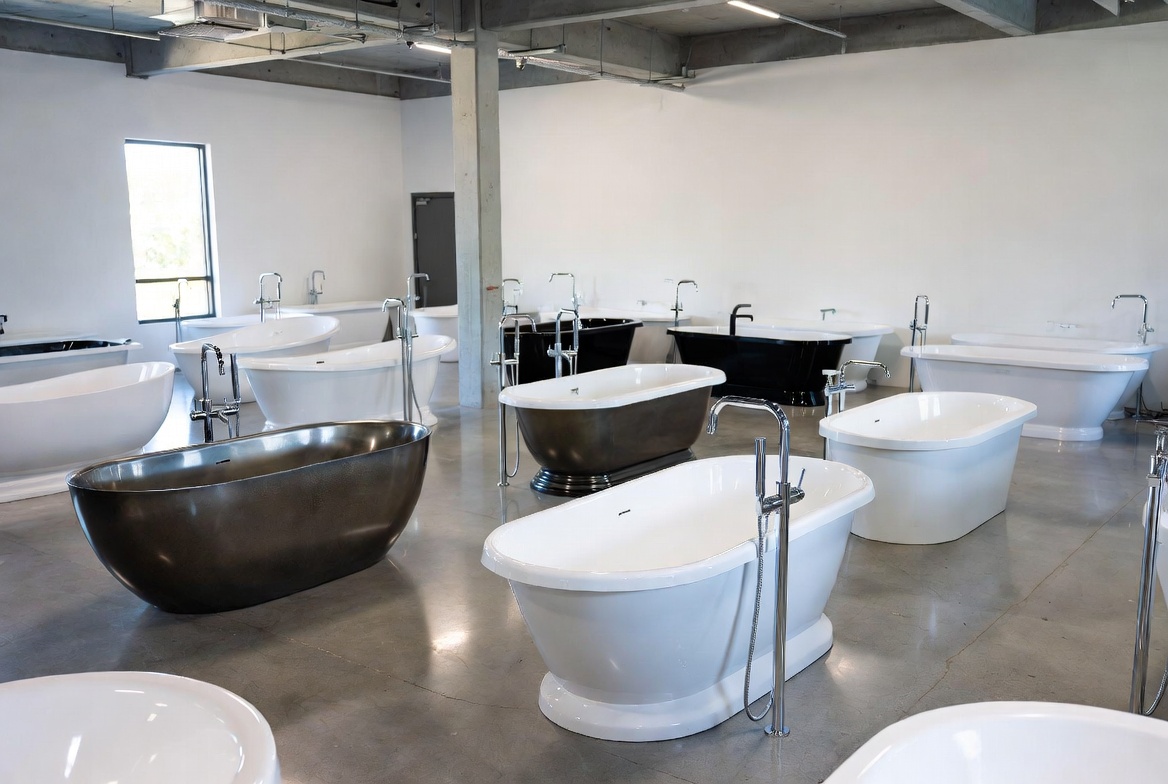
A small freestanding bathtub is a compact tub designed to save floor space while still offering a comfortable soaking experience and a premium standalone look.
Yes, if the internal depth, back slope, and body support are well designed. Comfort depends more on the interior shape than the external size alone.
Solid surface and stone-composite materials are popular for premium projects, while acrylic is often chosen for lighter weight and cost efficiency.
Yes. It is often a strong choice for apartments, especially when the bathroom layout is limited and the design goal is to create a luxury feel in less space.
Check bathroom dimensions, delivery access, plumbing position, soaking depth, and the visual balance with surrounding fixtures.
Because customization helps brands adapt the product to different markets, design styles, and price segments while building a more distinctive product line.
1. [Aquatica USA Blog: Small Freestanding Bathtubs]
2. [Aquatica USA Bathtub Collection]
3. [Freestanding Tub Trends 2026: Shapes, Materials & Colors]


