
Views: 222 Author: Miluo Smart Home Publish Time: 2026-06-17 Origin: Site


Content Menu
● Why Narrow Bathtubs Are a Smart Solution for Small Bathrooms
● What Counts as a Narrow Bathtub?
● Key Benefits of Narrow Bathtubs in Small Spaces
>> Space Efficiency Without Losing Comfort
>> Visually Larger, Calmer Bathrooms
>> Wellness and Lifestyle Upgrades
● Main Types of Narrow Bathtubs for Small Bathrooms
>> Back‑to‑Wall and Corner Narrow Tubs
>> Japanese‑Style Deep Soaking Tubs
● Ideal Dimensions and Layout Guidelines
>> Recommended Tub Dimensions for Small Bathrooms
>> Measuring Your Bathroom Properly (Step‑by‑Step)
● How Design Details Make Narrow Tubs Comfortable
>> Thin Rims and Intelligent Ergonomics
>> Seamless Construction and Easy Maintenance
● Best Materials for Narrow Bathtubs in Compact Bathrooms
>> Solid Surface and Resin Stone
>> Acrylic and Other Lightweight Options
● Practical Design Tips to Make a Small Bathroom Feel Bigger
>> Use Fixtures and Storage Strategically
>> Light, Color, and Reflective Surfaces
● When OEM/ODM Narrow Bathtubs Make Sense for Brands and Projects
>> Benefits for Brands, Wholesalers, and Developers
>> How Jiaxing Miluo Smart Home Supports Narrow Bathtub Projects
● Simple Selection Checklist for Narrow Bathtubs
>> Quick Checklist Before You Buy or Specify
● CTA – Plan Your Next Narrow Bathtub Project With Confidence
● Frequently Asked Questions About Narrow Bathtubs
>> 1. Are narrow bathtubs comfortable for taller people?
>> 2. What is the minimum bathroom size for a narrow bathtub?
>> 3. Do narrow bathtubs use less water?
>> 4. Which is better for a small bathroom: narrow tub or shower only?
>> 5. Can I customize the color and texture of a narrow bathtub?
For homeowners and designers trying to fit a bathtub into a small bathroom, narrow tubs offer a way to enjoy full‑body soaking without sacrificing circulation space or storage. From my experience working with compact apartments and hotel projects, well‑designed narrow bathtubs can turn a cramped bathroom into a spa‑like retreat while still complying with safety, cleaning, and maintenance standards. [royalbathplace]
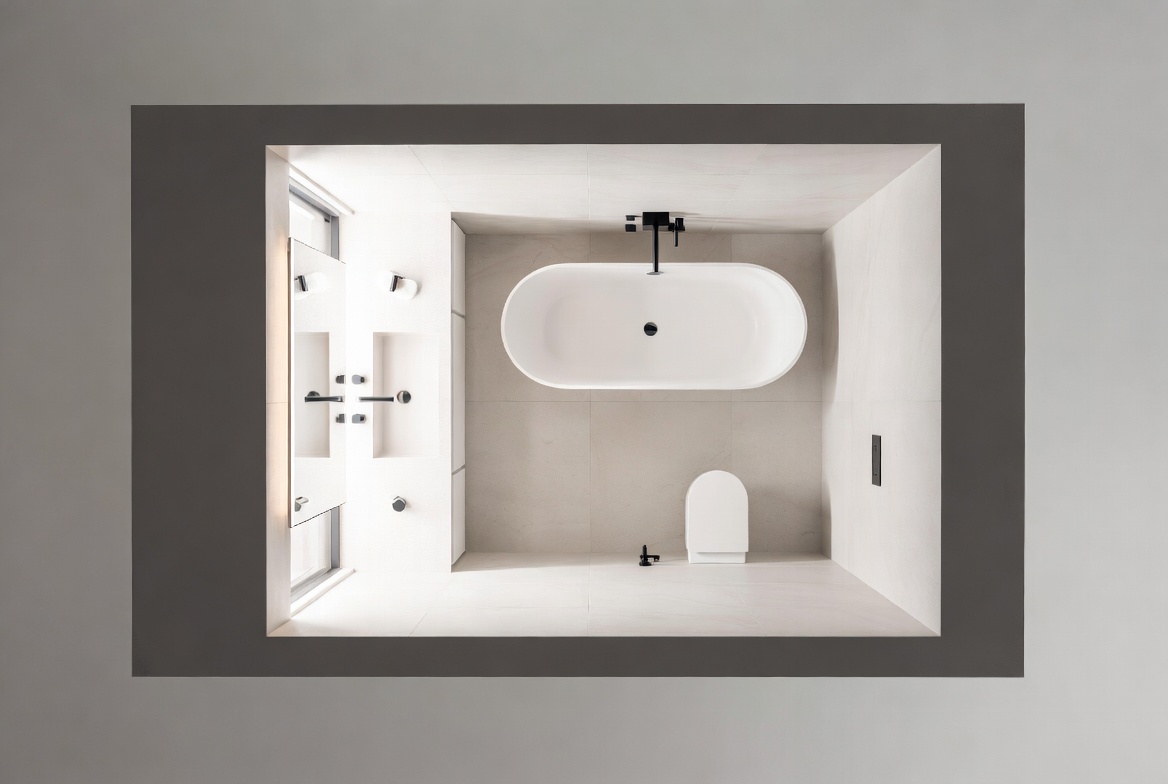
A typical standard bathtub is about 30–32 inches (760–810 mm) wide, which is comfortable in a master bathroom but often overwhelms a compact layout. In contrast, narrow bathtubs for small spaces usually have a width under 30 inches, with some ultra‑slim designs going down to around 27 inches while still providing a comfortable soaking area. [duravit]
The reason these smaller tubs still feel usable is the clever combination of depth, ergonomics, and thin‑rim construction, which give you nearly the same internal space as a wider traditional tub. For example, a solid surface tub with a 27.5‑inch external width can deliver an internal bathing width close to a 31‑inch acrylic tub thanks to thinner, stronger walls. [youtube]
From both a homeowner and specifier's perspective, narrow bathtubs address three core pain points: lack of floor space, limited layout options, and the desire for wellness features. [royalbathplace]
- Smaller footprint, similar soaking depth – By increasing depth to around 21–24 inches, narrow tubs allow full‑body immersion even when length and width are reduced. [youtube]
- Better circulation and cleaning access – Leaving at least 12 inches of clearance around the tub makes day‑to‑day use and cleaning much easier in a tight bathroom. [royalbathplace]
- Optimized for awkward layouts – Compact tubs fit under windows, in alcoves, or in corners where a standard tub simply would not work. [duravit]
Thoughtful bathtub design can make small bathrooms feel significantly larger and more relaxing. [porcelanosa]
- Seamless, minimalist tub forms reduce visual clutter and help the eye read the room as one continuous space. [edwardmartin]
- Light, matte finishes and subtle curves diffuse light, soften shadows, and create a more tranquil atmosphere. [porcelanosa]
- Pairing narrow tubs with wall‑hung toilets and floating vanities opens the floor area, enhancing the perception of space. [shop.kohler.com]
Even in a small footprint, narrow soaking tubs can support modern wellness‑focused lifestyles. [edwardmartin]
- Deep soaking helps relax muscles and supports stress relief after long workdays. [edwardmartin]
- Japanese‑style deep tubs allow an upright seated position, which many users find more secure and relaxing than lying fully reclined in a standard tub. [shop.kohler.com]
- For families, compact tubs still provide a safe, contained space for children's baths, which many parents prefer over a shower only. [youtube]
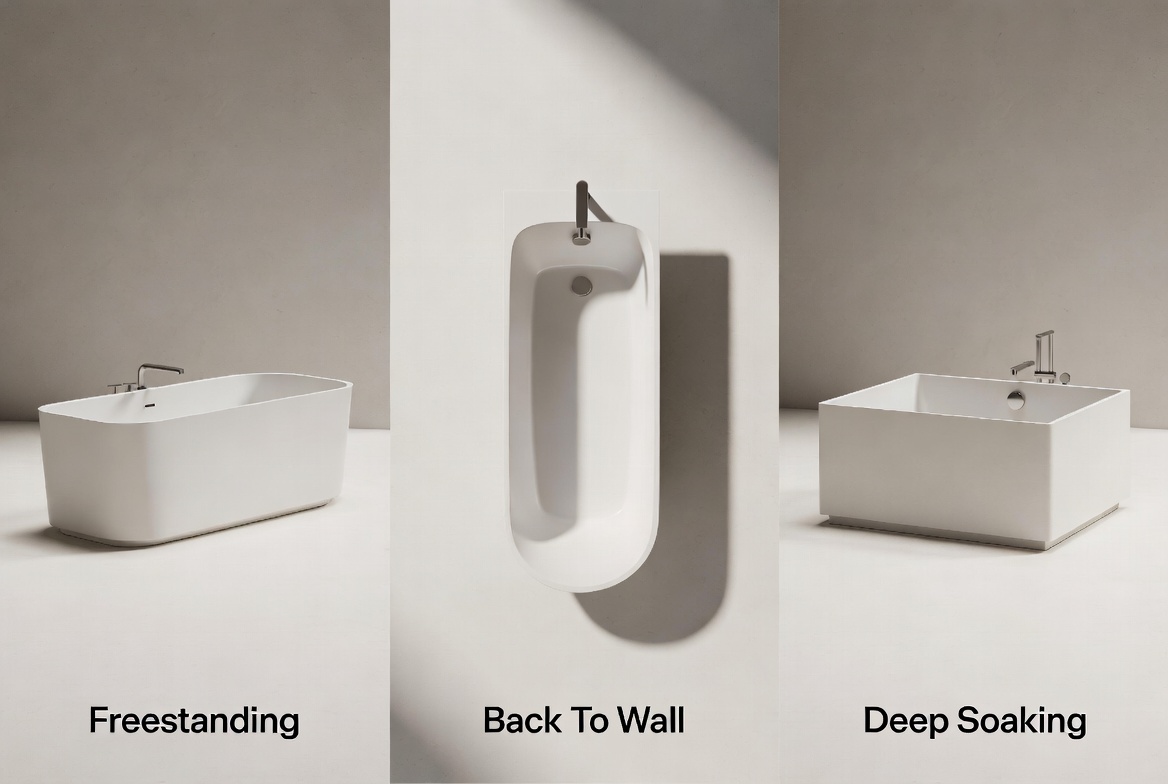
Different small bathrooms have different constraints, so the type of narrow bathtub you specify matters as much as the size. [duravit]
Freestanding narrow tubs used to be reserved for large bathrooms, but updated engineering now allows compact versions that work even in modest apartments. [duravit]
- Design impact – A sculptural freestanding tub becomes the focal point, instantly elevating the perceived value of the bathroom. [edwardmartin]
- Flexible placement – Narrow freestanding tubs can sit along a wall, under a window, or slightly offset to improve circulation. [youtube]
- Ideal use cases – Boutique hotels, high‑end rentals, and owner‑occupied apartments where visual impact drives perceived luxury. [jxmiluo.en.made-in-china]
Back‑to‑wall and corner designs deliver many of the same styling advantages as freestanding tubs but with better wall integration. [shop.kohler.com]
- Flat back or sides let the tub sit tight against one or two walls, saving 4–6 inches of clearance compared with a fully freestanding design. [youtube]
- Corner narrow tubs make excellent use of "dead zones" and free up central floor space for vanities or storage. [royalbathplace]
- The result is a premium freestanding look that works in realistic, tight floor plans. [youtube]
Japanese soaking tubs are perhaps the most space‑efficient option when depth is prioritized over length. [shop.kohler.com]
- These tubs are taller and narrower, allowing users to sit upright with water rising to the shoulders or chin. [youtube]
- Compact footprints work particularly well in micro‑apartments and urban renovations where every inch counts. [shop.kohler.com]
- The upright posture can also be easier for older users to enter and exit, especially when paired with grab bars and non‑slip surfaces. [shop.kohler.com]
From a planning perspective, the goal is to balance bathtub comfort with circulation, door swing, and plumbing constraints. [royalbathplace]
While every project is unique, the following ranges are a useful starting point. [duravit]
| Dimension | Recommended range for small bathrooms | Notes |
|---|---|---|
| Length | 55–59 inches | Shorter tub, deeper soak for compact spaces. (youtube) |
| Width (narrow tub) | 27–29 inches | Below 30 inches is typically considered narrow. (youtube) |
| Internal depth | 21–24 inches | Enables full‑body soaking even with shorter length. (youtube) |
| Clearance around tub | ≥ 12 inches | For movement, cleaning, and safety. (royalbathplace) |
A key rule is to avoid compromising depth too aggressively; otherwise, the tub may look compact but feel shallow and unsatisfying in use. [royalbathplace]
Before choosing a narrow bathtub, accurate measurement is non‑negotiable. [royalbathplace]
1. Measure the length, width, and height of the entire bathroom, and note any recesses or niches. [royalbathplace]
2. Check door width and swing to confirm the tub can be delivered and positioned without removing frames. [royalbathplace]
3. Map the existing plumbing points, especially drain and water supply positions, to estimate any rerouting required. [shop.kohler.com]
4. Leave at least 12 inches of clearance around the tub for cleaning, access, and comfortable movement. [royalbathplace]
5. Confirm window heights, towel bars, and switches will not conflict with the new tub edge or splash zone. [shop.kohler.com]
Narrow tubs aren't just "smaller tubs"; they rely on a set of design techniques to maintain comfort and performance. [duravit]
Solid surface and advanced composite materials allow narrow bathtubs to use thin walls and rims while maintaining structural strength. [youtube]
- Thin rim profiles (around 0.5–1 inch) maximize internal width even when external dimensions are modest. [youtube]
- Steeper interior walls and carefully contoured backs support the body, preventing the cramped feeling typical of older compact tubs. [duravit]
- For family bathrooms, some models integrate armrests or headrests to enhance long soaking sessions in a smaller footprint. [youtube]
In a tight bathroom, joins, seams, and heavy paneling can quickly make the space feel busy and harder to clean. [edwardmartin]
- Seamless solid surface tubs reduce places where mold, grime, and hard‑water deposits can accumulate, simplifying maintenance. [youtube]
- Non‑porous surfaces resist staining and are easier to keep bright and hygienic over years of frequent use. [youtube]
- For hotel and multifamily projects, this translates into lower long‑term cleaning and refurbishment costs.
Material choice affects not only appearance, but also wall thickness, thermal comfort, weight, and lifespan. [royalbathplace]
For many small‑space projects, solid surface and resin stone have become the preferred options. [youtube]
- They allow precise molding of slim profiles without sacrificing strength, crucial for narrow designs. [youtube]
- Non‑porous structure helps keep water warm longer and resists stains and micro‑scratches.
- Designers can specify custom colors, stone‑like veining, or semi‑transparent effects for high‑end residential or hospitality projects. [jxmiluo.en.made-in-china]
Acrylic remains popular where budget and ease of installation are top priorities. [royalbathplace]
- It is lighter and often easier to maneuver in older buildings with tight staircases and corridors. [royalbathplace]
- However, thicker walls reduce internal width, and the surface may be more prone to scratching compared with premium solid surface materials. [royalbathplace]
- For small bathrooms with less structural capacity, acrylic can still be a practical choice if paired with careful installation and reinforcement. [royalbathplace]
Beyond the tub itself, a few design tactics can dramatically improve how spacious and premium a small bathroom feels. [edwardmartin]
- Choose wall‑mounted toilets and vanities to keep the floor as open as possible. [shop.kohler.com]
- Integrate vertical storage (recessed niches, tall cabinets, shelving above the tub) instead of bulky floor cupboards. [shop.kohler.com]
- Avoid round or irregular bathtubs that waste corner space and are hard to align with walls in a small room. [shop.kohler.com]
- Use large mirrors to visually double the space and bounce light around the room. [royalbathplace]
- Favor light neutrals (white, soft grey, beige) for walls and tub surfaces to keep the room airy. [porcelanosa]
- Keep décor minimal; the tub's form, texture, and finish should carry most of the visual interest in a compact layout. [porcelanosa]
For overseas brands, wholesalers, and project‑based buyers, working with an OEM/ODM partner can be the most efficient way to offer narrow bathtub solutions tailored to their markets. [facebook]
- Custom sizes and forms – You can specify exact lengths, widths, and depths to match local apartment standards or hotel chains' design guidelines. [jxmiluo.en.made-in-china]
- Unified material palettes – Matching bathtubs, basins, shower trays, and vanities in the same solid surface or resin stone finish creates a cohesive brand story.
- Faster go‑to‑market – A mature OEM/ODM manufacturer with existing molds and engineering know‑how can bring new narrow bathtub collections to market more quickly. [jxmiluo.en.made-in-china]
Jiaxing Miluo Smart Home Co., Ltd (Miluo Bath) specializes in customized luxury bathroom solutions, including bathtubs, basins, vanities, and related fixtures for global markets. [china-miluo]
- The company offers solid surface, transparent resin, and acrylic bathtubs, with options for marble‑texture and colored finishes suited to high‑end residential and hospitality projects. [jxmiluo.en.made-in-china]
- OEM and ODM services cover full customization from design sketches, samples, or brand guidelines, with flexible levels of customization depending on project needs. [jxmiluo.en.made-in-china]
- Miluo Bath exports to North America, Europe, Southeast Asia, the Middle East, and South Asia, supporting overseas partners with factory‑direct production and project‑oriented collaboration. [china-miluo]

From a user‑experience standpoint, a clear decision framework helps homeowners and professionals make confident choices. [shop.kohler.com]
- Do you have accurate measurements of the room, door openings, and plumbing points? [royalbathplace]
- Is the tub footprint aligned with clearance requirements and local building codes? [shop.kohler.com]
- Which type works best: freestanding, back‑to‑wall, corner, or Japanese‑style soaking? [duravit]
- What material matches your budget, maintenance expectations, and design targets (solid surface, resin stone, acrylic)? [youtube]
- How will the tub work with your fixtures, storage, and lighting to keep the bathroom feeling open and safe? [edwardmartin]
If you are designing or sourcing a small‑space bathroom collection, narrow bathtubs are no longer a compromise, but a strategic way to deliver wellness, aesthetics, and functionality in one solution. For overseas brands, wholesalers, and project owners looking to develop custom narrow tub lines or complete bathroom sets, partnering with an experienced OEM/ODM manufacturer like Jiaxing Miluo Smart Home Co., Ltd can significantly reduce development risk and time‑to‑market. [china-miluo]
To explore custom narrow bathtub options, coordinate matching basins and vanities, or discuss project‑specific dimensions, you can connect directly with Miluo Bath's sales team via their official website or verified contact channels. [facebook]
Yes, as long as depth and internal ergonomics are prioritized. Many narrow tubs use deeper profiles and shaped backrests to allow taller users to soak comfortably in a seated or semi‑reclined position despite a shorter overall length. [duravit]
There is no universal minimum, but in practice you should be able to place at least a 55‑inch‑long tub and still maintain around 12 inches of clearance on key sides for safe access and cleaning. Small studio bathrooms can often accommodate a narrow tub if the layout is carefully planned. [shop.kohler.com]
In many cases, yes, particularly when the tub is shorter and upright‑oriented, such as a Japanese soaking tub. However, very deep tubs can hold similar water volumes to standard tubs, so actual consumption depends on the specific model and fill level. [shop.kohler.com]
It depends on user priorities. A shower‑only layout maximizes floor space, but a narrow tub offers both shower and soaking options, which can improve perceived property value and user satisfaction, especially for families or wellness‑oriented residents. [edwardmartin]
Yes, if you work with an OEM/ODM manufacturer offering solid surface or resin solutions, you can often specify custom colors, stone‑like patterns, and even transparent or semi‑transparent effects. This is particularly useful for aligning tubs with brand identity or interior design concepts in hospitality and premium residential projects. [china-miluo]
1. KingKonree. "Why Narrow Bathtubs Are the Great Solution to Fit Small Spaces?" (Original article used as conceptual base and definition of narrow bathtubs, dimensions, and design principles). [Link] [youtube]
2. Jiaxing Miluo Smart Home Co., Ltd. Company and product profile (solid surface, resin stone, acrylic bathtubs and OEM/ODM capabilities). [Link] [jxmiluo.en.made-in-china]
3. Miluo Bath official site – Customized luxury bathroom solutions and global export markets. [Link] [china-miluo]
4. Royal Bath Place. "How to Pick the Right Free Standing Bathtub for Small Spaces." (Measurement and planning guidance for compact bathtubs). [Link] [royalbathplace]
5. Kohler Hong Kong. "Small Bathroom Bathtub Design Suggestions" (Practical advice on tub shapes, door choices, and small‑space layout). [Link] [shop.kohler.com]
6. Duravit. "Small bathtubs: Perfect for any bathroom." (Overview of compact tub options and design intent). [Link] [duravit]
7. Edward Martin. "Home Design Trends Driving Bathroom Renovations in 2026." (Macro trends in bathroom design and wellness). [Link] [edwardmartin]
8. Miluo Bath Facebook page – OEM/ODM support and contact information. [Link] [facebook]
9. Small bathroom tub trends video (2025) – Growth of compact freestanding and soaking tubs. [Link] [youtube]
10. Porcelanosa. "Bathroom trends for 2026." (Finishes and materials in contemporary bathrooms). [Link] [porcelanosa]


