
Views: 277 Author: Miluo Smart Home Publish Time: 2026-09-30 Origin: Site


Content Menu
● Walk-In Tub Prices at a Glance
>> What Is Included in the Advertised Price?
● What Drives the Cost of a Walk-In Tub?
>> Tub Type and Bathing Features
>> Size, Door, and Transfer Design
● How to Estimate the Installed Cost
● The Costs Buyers Commonly Miss
>> Water, Waiting Time, and Upkeep
>> Warranty and Service Responsibility
● Is a Walk-In Tub the Right Safety Choice?
● Three Checks for OEM and ODM Buyers
>> 1. Lock the Specification Before Comparing Prices
>> 2. Test the Use Experience, Not Just Appearance
>> 3. Define Quality and After-Sales Evidence
● How to Compare Quotes Fairly
● Plan the Product Around the Buyer
>> How much does a basic walk-in tub cost with installation?
>> Why do two walk-in tub quotes differ so much?
>> Are walk-in tubs more expensive to install than standard tubs?
>> Does a low threshold make a tub wheelchair-accessible?
>> Will Medicare pay for a walk-in tub?
>> What should a brand request from an OEM/ODM supplier?
A walk-in tub can cost $3,000 to $17,000 or more installed in the United States. The final price depends on the bathtub, its bathing features, the condition of the bathroom, and the work required to install it. A simple product price rarely tells the whole story. For homeowners, the useful question is, "What will this bathroom project cost?" For brands, wholesalers, and manufacturers sourcing private-label products, it is, "What must be included in a comparable unit quote?"
This guide separates those two decisions. It explains typical walk-in bathtub costs, where installation budgets change, and how to assess a custom product without confusing factory pricing with an installed retail price.
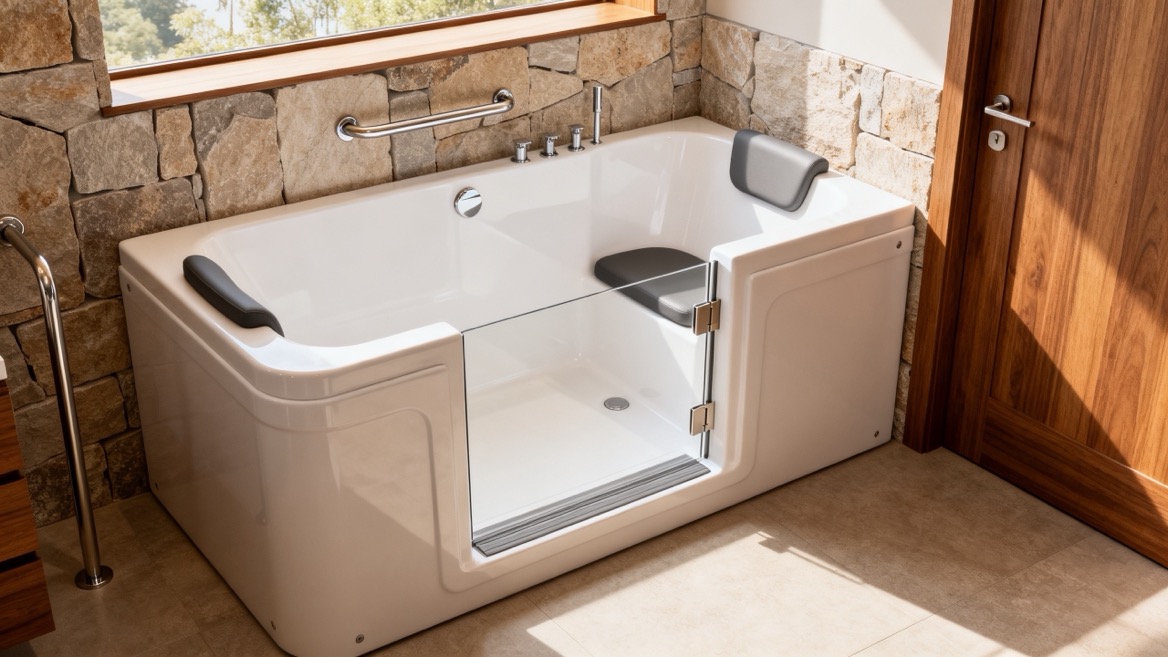
Published prices vary because sellers package products and installation differently. The following figures are U.S. consumer-market reference ranges, not universal prices or supplier quotations.
| Purchase scenario | Indicative cost | What to check |
|---|---|---|
| Basic soaking tub, installed | $3,000–$10,000 | Entry, seating, door, drain, and installation scope |
| Hydrotherapy tub, installed | $6,000–$13,000 | Jets, electrical work, cleaning, and service access |
| Broad installed market range | $3,000–$17,000+ | Bathroom modifications and product specification |
| Professional installation alone | About $1,000–$5,000+ | Whether the job is a straightforward replacement or a remodel |
These ranges are not interchangeable. A retailer may advertise a starting installed price of around $12,500, while another source includes simpler projects at much lower prices. That does not necessarily mean either estimate is wrong: the products, labor, and included work may differ. Ask for an itemized scope before comparing totals.
A product-only price may exclude the faucet, drain assembly, installation labor, electrical work, removal of the old bathtub, delivery, and finishing materials. An installed quote may include some of those items but not unexpected repairs.
Request two separate figures: the specified tub price and the complete installation estimate. If a seller offers one package price, ask for a written list of inclusions and exclusions. That makes a low opening price easier to evaluate and reduces surprises after work begins.
A basic soaker has a door, a seat, and a lower entry threshold than a conventional bathtub. It generally costs less than a model with air or water jets. Added systems may also bring controls, pumps, electrical requirements, and maintenance obligations.
Choose features around the intended bather, not the longest specification sheet. Someone who mainly wants seated bathing may not need jets. A brand developing a premium collection may value selectable finishes or a distinctive exterior, but those upgrades should be costed separately from the features needed for everyday use.
A tub must fit more than the space left by the old bathtub. Measure its footprint, the route into the bathroom, door swing, and usable space beside the unit. Confirm whether the intended bather can approach the door, step over the threshold, sit down, reach the controls, and get out comfortably. Layout changes can increase labor even when the tub itself fits the alcove.
Low entry is not the same as easy transfer. A wheelchair user, for example, may need a layout and seat arrangement designed around their transfer method. For a product range intended for several markets, dimensional drawings should show both external dimensions and the usable entry area.
Material affects appearance, weight, care, and product price. Acrylic and coated fiberglass are common choices in published consumer guides, but the label alone is not enough to judge quality. Ask how the finished surface is made, what cleaning methods it tolerates, and how defects are handled under warranty.
For private-label development, define the finish in a sample approval process. A finish described only as "white" or "premium" leaves room for disagreement about color consistency, surface marks, and repair standards. An approved sample and written acceptance criteria give both buyer and supplier a clearer basis for production.
A replacement that uses the existing footprint and utilities is usually simpler than a bathroom remodel. Plumbing relocation, a new drain position, electrical wiring, permits, old-material disposal, flooring, and tile repairs can all affect the final bill. Hidden damage may become visible only after removal begins.
Before ordering, have a qualified local installer check the proposed model against the bathroom. A photograph and a tape-measure reading are helpful starting points, but they do not replace a site assessment where plumbing, structure, or electrical work is involved.
A useful budget has four parts: the specified product, delivery, installation, and a provision for work not confirmed until the site is inspected. Keeping those parts separate makes it clear which costs the supplier controls and which belong to the local project.
1. Select the configuration. Record the tub dimensions, door orientation, bathing systems, finish, faucet provision, and accessories.
2. Confirm the site. Check access into the room, available floor space, water connections, drainage, and any electrical needs.
3. Request an itemized installation quote. Ask who pays for removal, disposal, permits, wall repairs, and finishing work.
4. Check the boundaries. Identify items marked "subject to site conditions" and get written approval before extra work begins.
5. Compare completed-project totals. Do not compare one supplier's bare tub price with another seller's fully installed package.
For example, a lower-priced tub that requires substantial plumbing relocation might cost more to complete than a better-fitting model with a higher unit price. This is why fit can be a cost-saving feature. It can also shorten the period during which the bathroom is out of use, although the schedule must be confirmed for each installation.
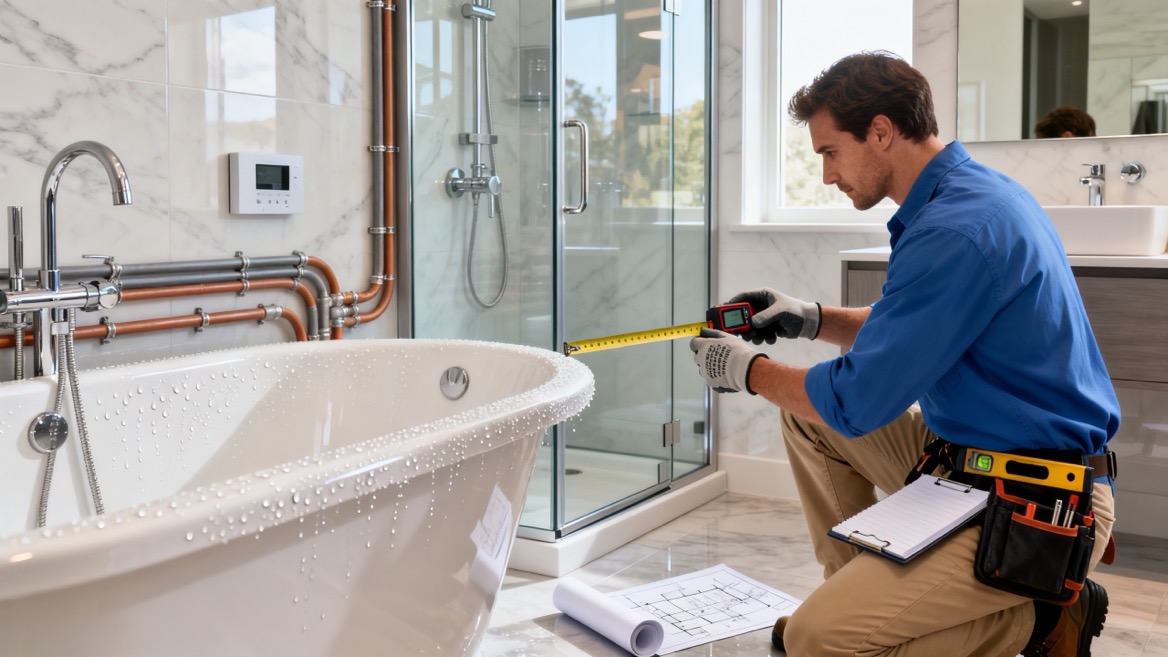
A walk-in tub generally has to be entered before it fills and remain occupied until it drains sufficiently for the door to open. Buyers should consider the practical effect of fill and drain times, especially for a person who gets cold easily or cannot sit comfortably for long. The tub's stated capacity should be checked alongside the household's hot-water system.
Jetted models add components that require cleaning and may eventually need service. Before buying, find out how to access pumps, controls, and seals; what the maintenance instructions require; and whether replacement parts will be available. A feature that is attractive in a showroom is less valuable if servicing it requires avoidable damage to the surrounding bathroom.
Read the warranty by component rather than relying on the phrase "lifetime warranty." Ask whether the shell, door seal, finish, pumps, and electronic controls have different terms. Also ask who diagnoses a fault and who pays for labor, travel, and replacement shipping. Warranty coverage can depend on installation conditions and purchase channel.
For an overseas OEM/ODM program, clarify the service chain before launch. The factory may supply components, while the importing brand or local installer handles the end customer. Those responsibilities should be written into the commercial agreement rather than discovered after a claim.
The reason for buying matters as much as the price. U.S. public-health guidance recommends practical bathroom measures such as grab bars inside and outside a bathtub or shower. A walk-in tub may be useful for seated bathing, but it does not remove every fall risk. Wet floors, transfers, standing up, and reaching for controls still deserve attention.
Check the product in the order a person actually uses it: approach, entry, door closing, seating, bathing, draining, standing, and exit. If the intended user has limited mobility, discuss that sequence with an appropriate clinician or occupational therapist and the installer. No supplier should promise that one product will prevent falls or suit every user.
Accessibility language also needs precision. In the United States, the 2010 ADA Standards specify requirements for covered facilities and bathtub elements, including seats and grab bars. A feature described as "accessible" does not by itself establish that an entire bathroom installation complies with applicable requirements. Have the project designer or local authority verify the relevant rules.
For international brands, wholesalers, and manufacturers, the most useful new question is not simply "How much is a walk-in tub?" It is "What exactly is included in the repeatable product we are buying?" These three checks make offers easier to compare.
Send each prospective supplier the same request: drawings, target dimensions, door orientation, material and finish requirements, accessory list, packaging expectations, and destination market. Separate mandatory features from optional upgrades. If two quotations use different shells, doors, or component packages, a unit-price comparison is misleading.
Ask for a bill of materials or configuration schedule where commercially appropriate. This helps your team identify whether a lower quote reflects a genuine manufacturing advantage or a missing part.
Review a sample for entry clearance, handle effort, seat comfort, reachable controls, sealing, cleaning access, and service access. Document what was tested and the conditions under which it was tested. A showroom photograph cannot answer these questions.
Where a product will serve people with reduced mobility, evaluate it with representative users and qualified advisers. This is more credible than assuming that a low threshold or a grab bar alone makes the design suitable for all bathers.
Agree on inspection criteria for visible finish, dimensional tolerances, door operation, packaging condition, and documentation. Request applicable test reports and destination-market compliance documents for the specific configuration being purchased. If components change during development, confirm whether earlier evidence still applies.
Before production, decide how spare seals, controls, or other service parts will be identified and ordered. A dependable replacement-parts process may matter more to a brand's long-term reputation than a small reduction in its first unit price.
Use a single comparison sheet for every offer. It should state the product configuration, currency, delivery basis, packaging, order quantity, sample and tooling charges if applicable, lead time, warranty terms, and included documents. Leave no unexplained blank next to a critical feature.
Then assess the landed product cost separately from the installed end-user cost. A manufacturer can quote a tub for export, but the eventual retail project may involve freight within the destination country, local labor, permits, and bathroom repairs. Presenting those as one figure without stating assumptions can mislead both distributors and homeowners.
For U.S. homeowners considering financial assistance, do not assume a purchase will be reimbursed. Original Medicare generally does not cover walk-in tubs as durable medical equipment. Some Medicare Advantage or other programs may offer help under specific conditions; eligibility and benefits should be checked with the relevant plan before ordering.
The best-value walk-in tub is not automatically the cheapest model or the one with the most features. It is the configuration that fits its intended user, installation setting, service model, and budget.
For a custom walk-in tub or wider bathroom-product program, contact Jiaxing Miluo Smart Home Co., Ltd. with your target market, expected order volume, preferred dimensions, design requirements, and desired features. Request a configuration review and an itemized OEM/ODM quotation so your team can evaluate the product and its commercial terms on the same basis.
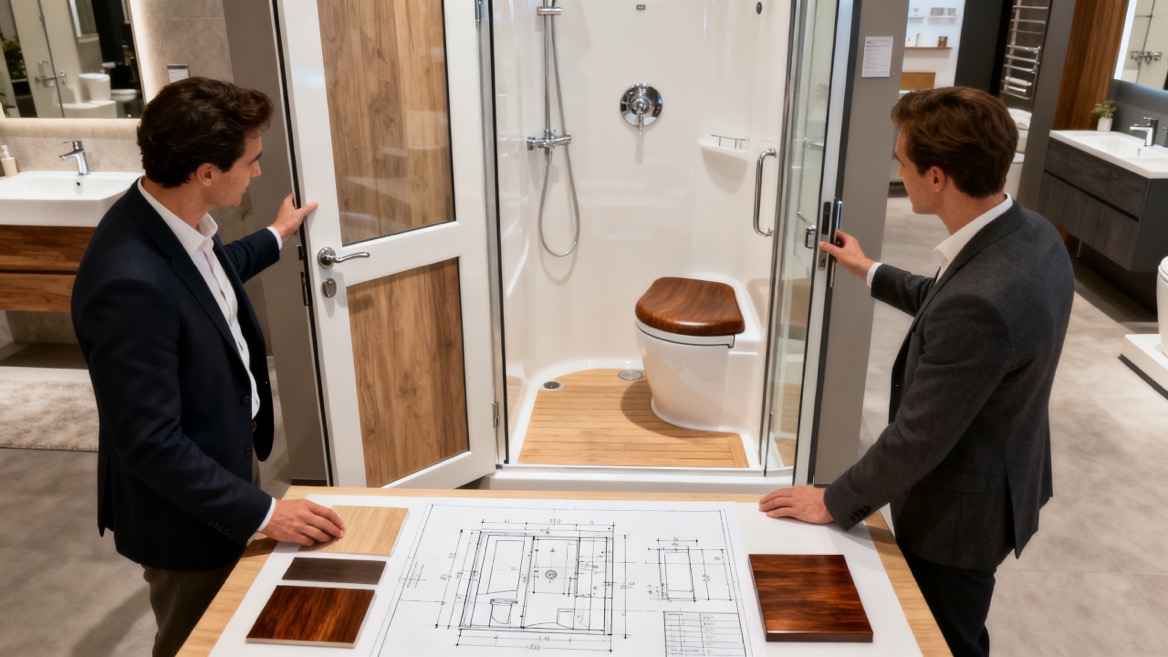
A published U.S. guide puts a basic soaking model at roughly $3,000–$10,000 installed. Your price may differ with the product specification, local labor, and bathroom conditions. Request an itemized site-specific quote.
They may include different bathing systems, materials, accessories, installation work, or warranties. Compare the same specifications and ask each seller to identify exclusions before treating the lower price as the better value.
They can be, particularly when the chosen model requires changes to plumbing, drainage, electrical wiring, or the bathroom layout. A replacement using existing connections may be simpler, but only a local assessment can establish the scope.
Not necessarily. Transfer space, seat design, door access, controls, and the surrounding room all matter. Evaluate the full use sequence for the intended person and verify any applicable accessibility requirements for the project.
Usually not under Original Medicare. Some other plans or assistance programs may help in limited circumstances. Ask the plan administrator about the exact product, eligibility rules, documentation, and approval process before purchase.
Start with dimensioned drawings, a fixed configuration, an approved finish sample, inspection criteria, packaging details, warranty terms, spare-parts arrangements, and evidence relevant to the destination market. Compare suppliers against that same specification rather than unit price alone.
- Aquatica Baths USA. [*Best Walk-In Tubs for Seniors*]. Used for the practical discussion of walk-in-tub use, filling, draining, and product features. [aquaticausa]
- National Council on Aging. [*How Much Do Walk-In Tubs Cost?*], March 13, 2026. Used for consumer price ranges, installation ranges, cost drivers, and warranty considerations. [ncoa]
- The Home Depot. [*Walk-In Tub Installation Cost Guide*]. Used for its advertised starting installed price and examples of installation cost drivers. [homedepot]
- Centers for Disease Control and Prevention. [*Preventing Falls and Hip Fractures*]. Used for bathroom grab-bar guidance. [cdc]
- Centers for Disease Control and Prevention. [*Nonfatal Bathroom Injuries Among Persons Aged ≥15 Years—United States, 2008*], June 10, 2011. Used for the discussion of bathroom injury circumstances. [cdc]
- U.S. Department of Justice. [*2010 ADA Standards for Accessible Design*]. Used for the distinction between product features and applicable facility requirements. [ada]
- National Council on Aging. [*Does Medicare Cover Walk-In Tubs?*], January 20, 2026. Used for the coverage discussion. [ncoa]
- Medicare.gov. [*Durable Medical Equipment Coverage*]. Used for the definition and general coverage conditions for durable medical equipment. [medicare]


