
Views: 232 Author: Miluo Smart Home Publish Time: 2026-07-12 Origin: Site


Content Menu
● What Makes a Bathtub "Shallow"?
● Why Shallow Bathtubs Suit Modern Compact Bathrooms
● Easy Access and Everyday Safety
>> Lower Step-In, Higher Confidence
>> Better Control for Families and Caregivers
● Less Water, Faster Fills, Lower Operating Costs
>> Efficient Water Use Without Sacrificing Comfort
>> Sustainability and Project-Level Benefits
● How Shallow Tubs Still Feel Luxurious
>> Ergonomic Interiors That Support the Body
>> Thermal Comfort Beyond Water Depth
● Style and Space: Design Freedom with Shallow Forms
>> Compact Footprints, Expanded Layout Options
>> Contemporary Aesthetics: From Minimalist to Sculptural
● Shallow vs. Deep Soaking Tubs: A Practical Comparison
● How to Choose the Right Shallow Tub for Your Project
>> 1. Start with Space and Layout
>> 2. Define User Profiles and Priorities
>> 3. Evaluate Material and Performance
>> 4. Check Plumbing and Technical Details
>> Accessibility and Universal Design
● Shallow Bathtubs in OEM and ODM Projects
>> Customization for Brands and Developers
>> Leveraging Long-Term Manufacturing Experience
● Practical Tips to Enhance Relaxation in a Shallow Tub
● Common Misconceptions About Shallow Bathtubs
Shallow bathtubs are no longer a compromise for small bathrooms—they are a smart design decision that combines comfort, safety, and resource efficiency for modern homes and hospitality projects. Drawing on more than two decades of bathroom product manufacturing and international project experience, I will walk you through how well‑designed shallow tubs can transform compact spaces while supporting long-term performance and brand differentiation. [shopping.yahoo]
In residential and hospitality projects, a bathtub is typically considered shallow when its water depth is under about 14–16 inches, compared with deep soaking models that usually exceed 18–20 inches. Rather than chasing depth alone, these tubs emphasize optimized interior ergonomics—wider, more reclined interiors that allow users to lounge comfortably without full shoulder submersion. [medunjess]
Shallow models often use a lower rim height, which reduces the step-over distance and makes entry and exit feel more like stepping into a low platform than climbing into a tall basin. This geometry is particularly valuable when the bathtub doubles as a shower base or when the project brief includes accessibility and family-friendly requirements. [shopping.yahoo]
Urban apartments, compact villas, and boutique hotels increasingly face tight bathroom footprints and strict plumbing or building constraints. In these environments, shallow bathtubs deliver big comfort in a small footprint by freeing up floor area, simplifying layouts, and reducing fixture volume without sacrificing the experience of a real soak. [medunjess]
Designers can pair shallower tubs with lighter color palettes, clean lines, and slim silhouettes to visually open up the room while retaining a focal point. When properly specified, a shallow tub can serve as the central "wellness anchor" of the bathroom, balancing aesthetic impact with everyday usability in ways that traditional deep tubs sometimes cannot. [medunjess]

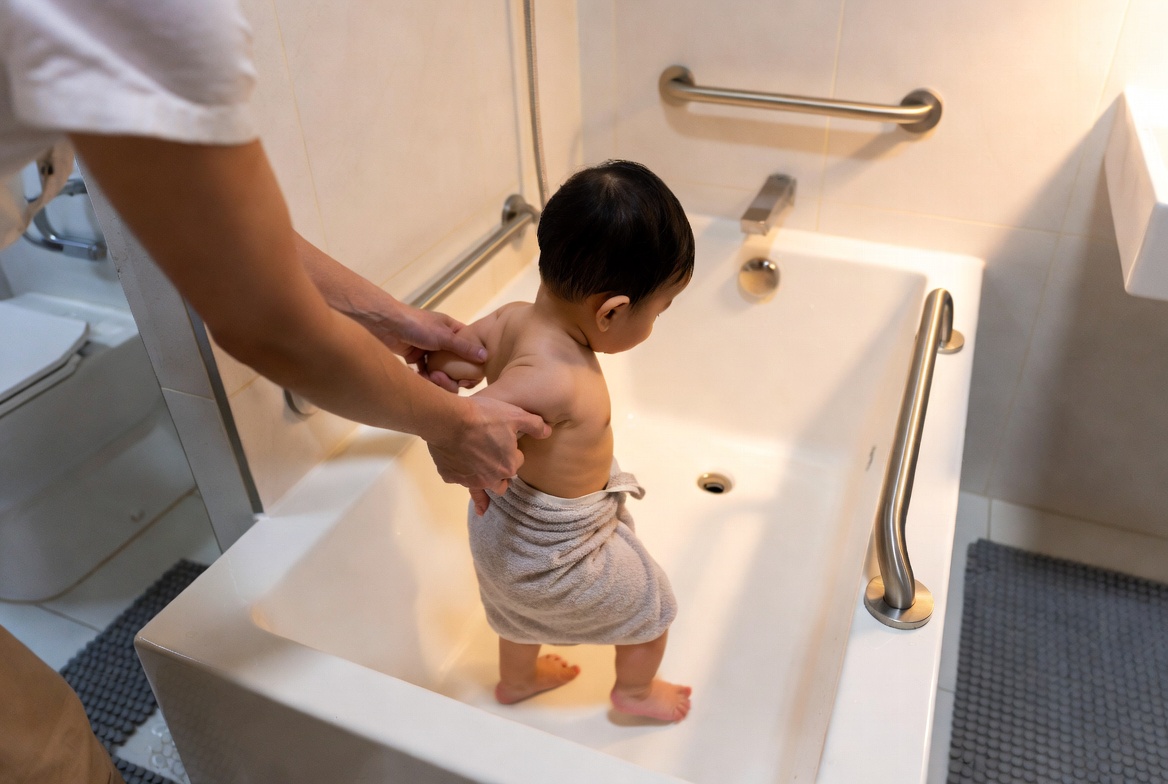
A key advantage of shallow tubs is accessibility: the rim typically sits closer to the floor, reducing the vertical distance users must clear when entering or exiting. This lower step-in is especially helpful for children, seniors, and anyone with reduced mobility, and for settings where the tub is used daily as a combined bath–shower station. [shopping.yahoo]
Lower rims also reduce the risk of slips when stepping over the edge with wet feet, an important consideration for multi‑user households, hotels, and rental properties where owners cannot control every user's behavior. When combined with non‑slip floors, sturdy grab bars, and well‑placed lighting, shallow tubs contribute to a safer, more predictable bathing environment. [shopping.yahoo]
Shallow tubs are easier to manage when bathing children or assisting elderly relatives, because the caregiver can reach into the tub without leaning excessively over a high wall. Less volume also means fewer gallons to drain in an emergency and quicker response if a child or vulnerable user needs help. [shopping.yahoo]
Because a shallow bathtub physically holds less water, each bath requires fewer gallons, which directly reduces both water consumption and energy used for heating. For households focused on responsible consumption, and for hotels or developers tracking operating costs over many units, this can lead to meaningful long-term savings without compromising core comfort. [medunjess]
Shorter fill times also encourage short, frequent soaking sessions, which many wellness experts recommend as a practical way to integrate relaxation into busy routines. Even a 10–15 minute warm soak can help reduce tension and support mental recovery after work, making shallow tubs particularly attractive to residents with demanding schedules. [medunjess]
In multi-dwelling projects or hospitality environments, specifying shallow tubs can standardize lower consumption across the building, helping projects meet internal sustainability KPIs or external green-building guidelines. Many contemporary tubs use solid-surface or composite materials that offer long service life, repairability, and stable performance, further supporting a lower lifetime environmental footprint. [medunjess]
One of the most persistent myths is that shallow tubs are inherently less comfortable; in reality, ergonomic interior design compensates for reduced depth. Many shallow models feature reclined backrests, contoured sides, and integrated seating ledges that support the spine and hips without requiring full immersion. [shopping.yahoo]
By shaping the interior to follow the body, these tubs allow users to lean back, float the legs slightly, and rest the neck comfortably, even when the water line sits below the shoulders. In practice, this can create a more relaxed posture than some deep tubs, where users must choose between slouching down for depth or sitting upright for support. [shopping.yahoo]
Another misconception is that shallow water automatically leads to a cold experience; however, thermal comfort depends on more than depth alone. When the bathroom itself is kept warm—through good heating, warm lighting, or even underfloor heating—users can remain comfortable even if only the lower body is immersed. [medunjess]
By combining warmer air temperatures, aromatherapy, and soft lighting, shallow baths can feel as indulgent as deeper soaks, and often more practical for everyday use. This makes them especially suitable for compact city apartments where infrastructure may not support large volumes of hot water on demand. [shopping.yahoo]
Shallow bathtubs often come in shorter lengths or narrower widths, which frees up precious floor area for additional storage, vanity space, or a more open circulation zone. Designers can take advantage of smaller volumes to reposition tubs under windows, in corner niches, or in multi-functional wet rooms, maximizing both aesthetics and usability. [medunjess]
For small bathrooms, this flexibility allows you to incorporate a genuine soaking feature without crowding the room or compromising clearances around toilets and vanities. Shallow tubs also integrate well with walk‑in shower layouts, creating hybrid solutions where a single footprint delivers multiple functions. [medunjess]
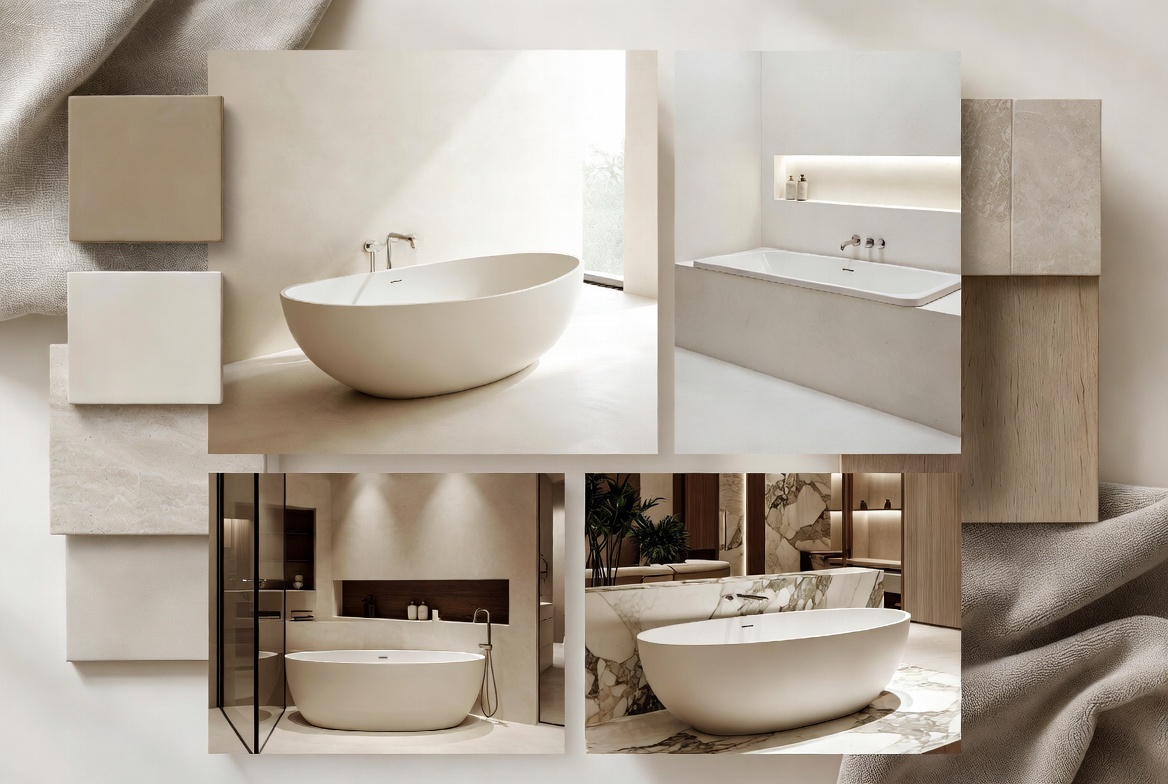
Trend reports in 2026 highlight the popularity of soft geometry, minimalist silhouettes, and sculptural freestanding forms in bathtub design. Shallow models can follow these trends with oval and rounded-rectangle shapes, slim rims, and monolithic solid surfaces, making them suitable for Scandinavian, modern, and Japandi-inspired interiors. [medunjess]
Neutral palettes—warm whites, sand tones, and soft greige—remain dominant, but more expressive colors like deep green, navy, or matte black are gaining traction in high-end projects. Shallow tubs can easily adopt these finishes, enabling designers and brands to position them either as calm, discreet fixtures or as bold focal points. [medunjess]
Below is a simplified comparison to help specifiers decide when a shallow tub is the better choice versus a deep soaking model. [shopping.yahoo]
| Aspect | Shallow Bathtub | Deep Soaking Bathtub |
|---|---|---|
| Typical water depth | About 12–16 inches (shopping.yahoo) | 18 inches or more (shopping.yahoo) |
| Entry and exit | Low rim, easier access for most users (shopping.yahoo) | Higher rim, more effort and caution required (shopping.yahoo) |
| Water volume | Lower volume, faster filling and draining (shopping.yahoo) | Higher volume, longer fill times and more heating demand (shopping.yahoo) |
| Soaking style | Partial submersion with ergonomic support (shopping.yahoo) | Full torso immersion for intensive soaking (shopping.yahoo) |
| Best use cases | Families, compact bathrooms, multi-user spaces (shopping.yahoo) | Dedicated spa bathrooms, luxury suites, long soaking rituals (shopping.yahoo) |
In practice, many projects adopt a mixed approach: shallow tubs for secondary bathrooms or compact units, and deeper soakers for master suites and premium hospitality suites where prolonged bathing rituals are a selling point. [medunjess]
Before selecting a model, map out the actual footprint and circulation paths in the bathroom. Consider: [medunjess]
- Available length and width for the tub without compromising door swings or access
- The relationship between the tub, vanity, toilet, and any walk‑in shower
- Window positions, natural light, and privacy requirements
Shallow tubs can be installed in alcoves, corners, or freestanding positions, so clarifying layout strategies early helps narrow the options to shapes and sizes that enhance rather than obstruct the room. [shopping.yahoo]
Next, identify who will actually use the bathtub and how:
- Families with young children may prioritize low entry height, easy cleaning, and robust surfaces
- Seniors and mobility‑challenged users benefit from lower rims, stable bases, and grab bar integration
- Design-forward homeowners or hotels might emphasize visual impact, unique finishes, and sculptural forms
Shallow tubs are particularly suitable when the primary goal is safe, frequent, and practical bathing, rather than maximum immersion depth. [shopping.yahoo]
Modern shallow tubs often use solid surface, resin stone, or composite materials, which offer a combination of durability, smooth tactile feel, and design flexibility. These materials are typically non‑porous, hygienic, and repairable, making them well-suited to high‑traffic environments and long service lives. [medunjess]
If the project calls for a stone-like aesthetic, stone-inspired composites can replicate marble or limestone without the weight and installation complexity of natural stone. This makes shallow tubs easier to install in upper floors or renovation projects where weight limits are strict. [medunjess]
Even though shallow tubs are lighter and hold less water, correct installation is still critical. Key points include: [shopping.yahoo]
- Ensuring the tub sits perfectly level for reliable drainage
- Aligning drain and overflow positions with existing plumbing
- Verifying subfloor condition and support, especially in older buildings
Some shallow designs place the overflow slightly higher within the shallow profile to preserve a comfortable soaking depth, so coordination with the plumber is essential. [shopping.yahoo]
Recent bathroom design insights highlight three converging demands: wellness-oriented fixtures, minimalist aesthetics, and sustainable materials. Shallow tubs match this profile by offering short, restorative soaks, visually calm forms, and lower water and energy usage per bath. [designedcurated]
Freestanding shallow tubs, especially in soft, sculptural shapes, are often treated as the central design element in modern bathrooms, even when the room size is modest. By combining a shallow profile with expressive forms, designers can deliver the sense of a luxury spa experience in compact urban settings. [medunjess]
Universal design principles increasingly influence bathroom specifications in both residential and commercial projects. Features such as lower rims, stable footing, clear floor space, and intuitive controls align with shallow tubs' strengths, making them a natural component of inclusive bathroom strategies. [medunjess]
As more households anticipate multi‑generational living and plan for future accessibility, shallow tubs help future‑proof bathrooms without visually signaling "hospital" or "institutional" design. Thoughtfully sculpted forms ensure the space remains aspirational and welcoming. [shopping.yahoo]
For international brands, wholesalers, and project developers, shallow bathtubs represent a flexible platform for customization through OEM and ODM programs. Manufacturers with strong R&D capability can adjust: [china-miluo]
- Dimensions and proportions for specific markets or building codes
- Material formulations and finishes to match product line strategies
- Integrated features such as overflow placement, drain style, or anti‑slip textures
This allows private-label and project clients to differentiate their bathroom collections while leveraging proven structures and production processes. [jxmiluo.en.made-in-china]
Established manufacturers with 20+ years of export experience in sanitary ware bring valuable know-how about regional preferences, certification requirements, and logistics constraints. For buyers, this translates into more reliable timelines, consistent quality control, and tailored solutions for specific channels—from retail showrooms to contract projects and online platforms. [china-miluo]
By combining solid-surface expertise, flexible production lines, and OEM/ODM services, such suppliers can support brands in building cohesive bathroom collections that integrate shallow tubs, basins, vanities, and accessories into a unified visual and functional language. [china-miluo]
Even with less water, a shallow bathtub can feel like a personal spa when the environment is thoughtfully curated. Consider these practical measures: [shopping.yahoo]
1. Use targeted support – Add a removable neck cushion or lumbar support to fine‑tune ergonomics for different users. [shopping.yahoo]
2. Control ambient temperature – Preheat the room, use warm lighting, and avoid drafts to prevent temperature shock above the waterline. [shopping.yahoo]
3. Layer sensory elements – Combine aromatic bath blends, calm music, and soft towels to create a coherent relaxing ritual. [shopping.yahoo]
4. Standardize a routine – Short, regular soaks can be more beneficial and sustainable than rare, very long bathing sessions, especially in households with limited hot water capacity. [medunjess]
These adjustments require minimal investment but significantly elevate the perceived value and comfort of shallow tubs in everyday use.
Despite their advantages, shallow bathtubs are sometimes misunderstood. Clarifying these misconceptions helps homeowners and specifiers make more confident decisions: [shopping.yahoo]
- "Shallow means basic or low-end" – In reality, many high-end collections include shallow models with premium materials, sculptural forms, and refined detailing. [medunjess]
- "They are only for kids" – Contemporary shallow tubs are designed for adults, with proportions and ergonomics that support full-body relaxation, not just children's bathing. [shopping.yahoo]
- "You cannot truly relax without full immersion" – For many users, the combination of ergonomic support, warm water on the lower body, and a well-designed environment delivers a deeply relaxing experience without needing extreme depth. [medunjess]
By reframing shallow tubs as purpose-designed, efficient wellness fixtures, rather than compromises, designers and owners can unlock more flexible and sustainable bathroom solutions.
1. Are shallow bathtubs comfortable for tall adults?
Yes, provided the interior is well designed: reclined backrests, contoured sides, and enough internal length allow taller users to stretch comfortably even when water depth is moderate. Many tall users find that good back support and foot placement matter more to comfort than extra inches of depth. [shopping.yahoo]
2. Do shallow tubs really save a significant amount of water?
Because they require less volume to reach the typical fill line, shallow tubs use noticeably fewer gallons per bath, which can add up over months of regular use. For families or multi-unit buildings, this reduction translates into lower utility costs and reduced strain on hot water systems. [medunjess]
3. Can shallow bathtubs be used as shower bases?
Yes, many shallow models are specifically designed to work as combined bath–shower units, with low rims and slip‑resistant floors to support standing use. When paired with appropriate screens or curtains and correctly installed drainage, they can replace traditional tubs in compact bathrooms. [shopping.yahoo]
4. What materials are best for shallow bathtubs?
Solid surface and composite materials are particularly well-suited because they offer smooth, comfortable surfaces, long-term durability, and the ability to create thin-edged, precise shapes. These materials also maintain color throughout the body, making small repairs and refinishing more straightforward over time. [medunjess]
5. Are shallow bathtubs suitable for hotels and rental properties?
Shallow tubs are often a strong choice for hotels, serviced apartments, and rentals, where operators balance guest experience with maintenance and operating costs. Lower water demand, easier cleaning, and safer access make them practical, while modern designs and finish options ensure they still deliver a premium impression. [china-miluo]
1. Aquatica. "Shallow Bathtubs for Small Bathrooms: How Less Water Can Mean More Comfort." Aquatica Blog. https://aquaticausa.com/blogs/aquatica/shallow-bathtubs-big-comfort-less-water-aquatica
2. Jiaxing Miluo Smart Home Co., Ltd. "Miluo Bath – Customized Bathtub, Wash Basin, Bathroom Solutions." Official Website. https://www.china-miluo.com/
3. Jiaxing Miluo Smart Home Co., Ltd. "Company Profile – Bathtub; Sink; Bathroom Vanity; Bathtub Faucets." Made‑in‑China Profile. https://jxmiluo.en.made-in-china.com/
4. Jiaxing Miluo Smart Home Co., Ltd. "Download and Company Information – Miluo Bath." Official Website – Download Section. https://www.china-miluo.com/download.html
5. Medun Jess. "Freestanding Tub Trends 2026: Shapes, Materials & Colors." Design Blog. https://www.medunjess.com/blogs/blog/freestanding-tub-trends-2026-shapes-materials-colors
6. Designed | Curated Interiors. "Bathtub Design Trends 2026: A Designer's Guide." Design Insights. https://www.designedcurated.com/insights/bathtub-design-trends-2026/


