
Views: 251 Author: Miluo Smart Home Publish Time: 2026-07-01 Origin: Site


Content Menu
● What You Need Before You Start (And Why It Matters for Your Tub)
>> Essential supplies for tub-safe handwashing
>> Quick tub check and safe pre-clean
● Step‑by‑Step: How to Wash Clothes in a Bathtub Without Damaging It
>> Step 1: Sort smart to protect fabrics and tub
>> Step 2: Read garment care labels
>> Step 3: Pre‑treat stains away from the tub surface
>> Step 4: Fill the tub the right way
>> Step 5: Soak without overloading
>> Step 6: Agitate with your hands, not your feet
>> Step 7: Drain and rinse in controlled cycles
>> Step 8: Squeeze and dry without stressing the tub
● Expert Advice for Delicates, Heavy Items, and Travel Situations
>> Washing delicates in a bathtub
>> Handling bulky items without stressing the tub
>> Emergency washing with toiletries
● How Different Bathtub Materials React to Laundry Use
>> Porcelain‑enameled cast iron or steel tubs
>> Stone and solid surface bathtubs
● Which Bathtub Types Work Best for Washing Clothes?
● Real‑World Mistakes That Quietly Ruin Tubs (And How to Avoid Them)
● Pros and Cons of Using a Bathtub as a Washing Machine Substitute
>> Advantages
● Manufacturer's Maintenance Checklist After Every Laundry Session
● FAQs: Washing Clothes in a Bathtub Without Ruining Your Tub
As a bathtub manufacturer working closely with global brands, wholesalers, and project buyers, we often see beautiful tubs scratched, stained, or dulled simply because they were used as a "temporary washing machine." Washing clothes in a bathtub can be efficient and even gentle on fabrics—if you know how to protect both your laundry and the tub surface. In this guide, I'll walk you through a practical, expert-backed method to wash clothes in your bathtub safely, with extra tips based on what we see every day in real bathrooms worldwide.

Before you put a single T‑shirt into the water, you need the right setup. The goal is simple: clean clothes, no scratches, no stains, no residue.
- Gentle liquid laundry detergent or a biodegradable formula (low-foam is ideal)
- Castile soap or solid laundry bar (for travel or minimalist setups)
- Mild shampoo only as a last resort
- Stain remover or pre-treatment pen
- Soft sponge or microfiber cloth
- Soft-bristled brush or old toothbrush (never hard scrubbing pads)
- Rubber gloves (optional but helpful for hot water or sensitive skin)
- Clean, thick towels for pressing out water and extra protection
From a manufacturer's point of view, anything abrasive is a long-term enemy of your tub finish. Even a cheap scouring sponge can create micro-scratches that gradually trap dirt and soap film.
Always start with a clean tub. Invisible residues from strong cleaners or hair dyes can transfer to your clothes or react with detergent.
- Rinse the tub with warm water.
- Wipe it with a mix of equal parts vinegar and water plus a light sprinkle of baking soda.
- Use only a soft sponge or cloth, then rinse thoroughly.
Avoid using bleach or harsh bathroom cleaners immediately before laundry—they can linger and damage fabrics or strip the gloss from acrylic or solid surface tubs over time.
This workflow is what we recommend if you need to use your bathtub as a backup laundry station in a small apartment, rental home, or during a renovation.
Sorting is not just about fabric care—it also protects your tub from dye transfer.
- Separate whites, darks, and bright colors.
- Separate delicates (silk, lace, lingerie) from heavy items (jeans, towels).
Deep, solid colors and new garments are more likely to bleed, which can leave stubborn stains on porous or lightly textured surfaces.
Care labels tell you three things that matter for your tub: water temperature, agitation tolerance, and cleaning agents to avoid.
- "Hand wash only" and "cold water" tags should always be followed.
- "Do not wring" or "lay flat to dry" suggests gentle handling and careful draining in the tub.
The gentler you are with your laundry, the gentler the entire process is on your tub surface as well.
Stain work should happen before clothes ever touch the tub. This keeps highly concentrated detergent, oils, or dye from sitting on the bathtub surface.
- Apply a small amount of stain remover or detergent directly on the stain.
- Gently rub fabric against fabric or use a soft toothbrush on the garment only.
- Avoid scrubbing the fabric directly against the tub wall or floor.
This approach prevents sharp zippers, hooks, or metal details from grinding into your bathtub.
Water level and detergent concentration both affect how much residue clings to your tub.
- Use lukewarm water by default (follow label if it says cold or warm only).
- For a small load, fill just 3–5 inches; for larger items, go slightly higher.
- Add 1–2 teaspoons of gentle detergent first, swirl with your hand until fully dissolved.
Avoid using tools like mops, plungers, or stiff brushes to mix the water, as they can scratch the finish, especially in acrylic, fiberglass, and solid surface tubs.
Overstuffing the tub creates friction, and friction is one of the main ways we see bathtub surfaces become dull or cloudy over time.
- Add garments loosely, pressing them gently under the water.
- Soak 15–30 minutes for normal dirt, less for delicates.
If items float above the water line, you probably have too many clothes in too little water.
While "stomping laundry" might look efficient, it puts a lot of pressure on the tub and can grind grit into the finish.
- Use your hands to swish, squeeze, and gently knead each item.
- Rotate through garments rather than frantically churning everything at once.
- Keep clothes away from the tub edges to minimize rubbing against the sides.
If you must use a manual laundry plunger, wrap the base with a thick cloth and keep movements slow and controlled.
The rinsing phase is where soap residue can collect on the tub if you rush.
- Drain the soapy water completely.
- Refill with clean, cool water and agitate the clothes gently.
- Repeat 2–3 times until the water is clear and there are no visible suds.
- Never leave standing water sitting in the tub after you remove the clothes.
Standing water plus detergent residue is a recipe for soap scum, water spots, and eventual discoloration.
How you remove water from your clothes can directly affect how much moisture sits on your tub surface.
- Gently squeeze items by hand—avoid hard twisting.
- Use the towel‑roll method: lay a towel flat, place the garment on top, roll and press to remove excess water.
- Hang clothes on a drying rack or line in a ventilated area.
Avoid draping soaking‑wet garments over the tub rim; this traps moisture and can mark or stain some finishes over time.
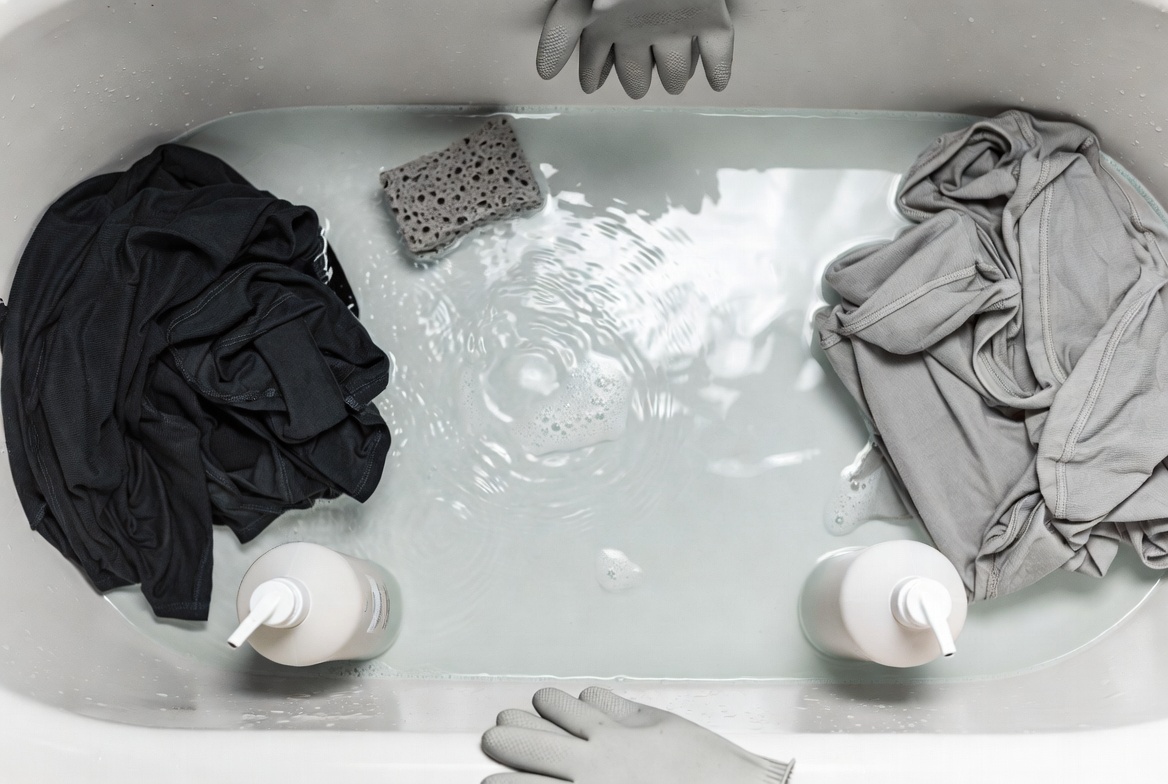
From conversations with overseas customers and project buyers, we see three typical bathtub-laundry use cases: delicates, heavy items that need soaking, and emergency travel washing.
Delicates benefit from the larger water volume in a tub, but they also need extra care.
- Use cold or lukewarm water only.
- Choose a mild detergent or a product formulated for wool or silk.
- Soak for 5–10 minutes, then gently compress the fabric in the water rather than scrubbing.
- Rinse thoroughly and lay flat to dry on a towel.
This method works especially well in deep soaking or Japanese-style tubs, where vertical space allows gentle water movement with minimal folding.
Bulky pieces like hoodies or towels can be heavy when saturated.
- Limit each load to a weight you can comfortably lift.
- If your tub is fiberglass or a thin acrylic model, avoid overloading, which can flex the structure.
- Use an extra towel layer on the floor of the tub when washing items with metal zippers or hardware for added protection.
This is particularly important in lightweight, cost-effective tubs that are more prone to micro-flexing and surface wear under concentrated pressure.
If you are traveling or out of detergent, body wash and shampoo can work—carefully.
- Choose unscented or mild formulas without scrubbing beads or strong oils.
- Dilute thoroughly in water before adding clothes.
- Rinse both garments and tub very well afterward, as many toiletries leave more residue than laundry detergent.
Never use 2‑in‑1 shampoo/conditioners for regular bathtub laundry; conditioning agents tend to cling to surfaces and fabrics.
Understanding how your bathtub is made will tell you how often you can safely use it as a mini laundry station. As a manufacturer, this is one of the most common topics we explain to overseas clients and project specifiers.
- Surface: Smooth, warm to the touch, and non‑porous, but relatively soft.
- Laundry impact: Can scratch and dull if you use stiff brushes or rough tools.
- Protection tips:
- Only use soft cloths or your hands for agitation.
- Rinse thoroughly after every wash to prevent detergent film.
Regular gentle use is usually fine, but long-term abuse with harsh tools will be visible.
- Surface: Lightweight, affordable, but thinner and more porous.
- Laundry impact: More sensitive to staining and wear; can show hairline cracks or discoloration faster under heavy use.
- Protection tips:
- Reserve bathtub laundry for occasional or emergency use.
- Lay a thick towel or soft bath mat on the bottom before adding water and clothes.
If you are renting or in budget housing, you likely have fiberglass—being cautious here can save you from damage disputes later.
- Surface: Very hard and durable, resistant to most household detergents.
- Laundry impact: Handles laundry well, but chips can occur if you drop heavy metal objects or hardware.
- Protection tips:
- Avoid banging metal zippers or buttons on the surface.
- Rinse promptly after using products that might rust or contain strong dyes.
These tubs are the most forgiving for frequent bathtub laundry, as long as you avoid impact damage.
High-end solid surface materials and engineered stone tubs are increasingly common in modern, minimalist bathrooms.
- Surface: Elegant, often matte or satin, with a luxurious feel.
- Laundry impact: Sensitive to certain chemicals, residues, and high-friction scrubbing. Some materials can absorb staining agents if left in contact.
- Protection tips:
- Always use pH‑neutral, gentle cleaners.
- Avoid any tool that could scratch a matte finish.
- Do not leave heavily dyed water sitting in the tub.
If you invested in a solid surface showpiece tub, treat bathtub laundry as a rare backup, not a weekly routine.
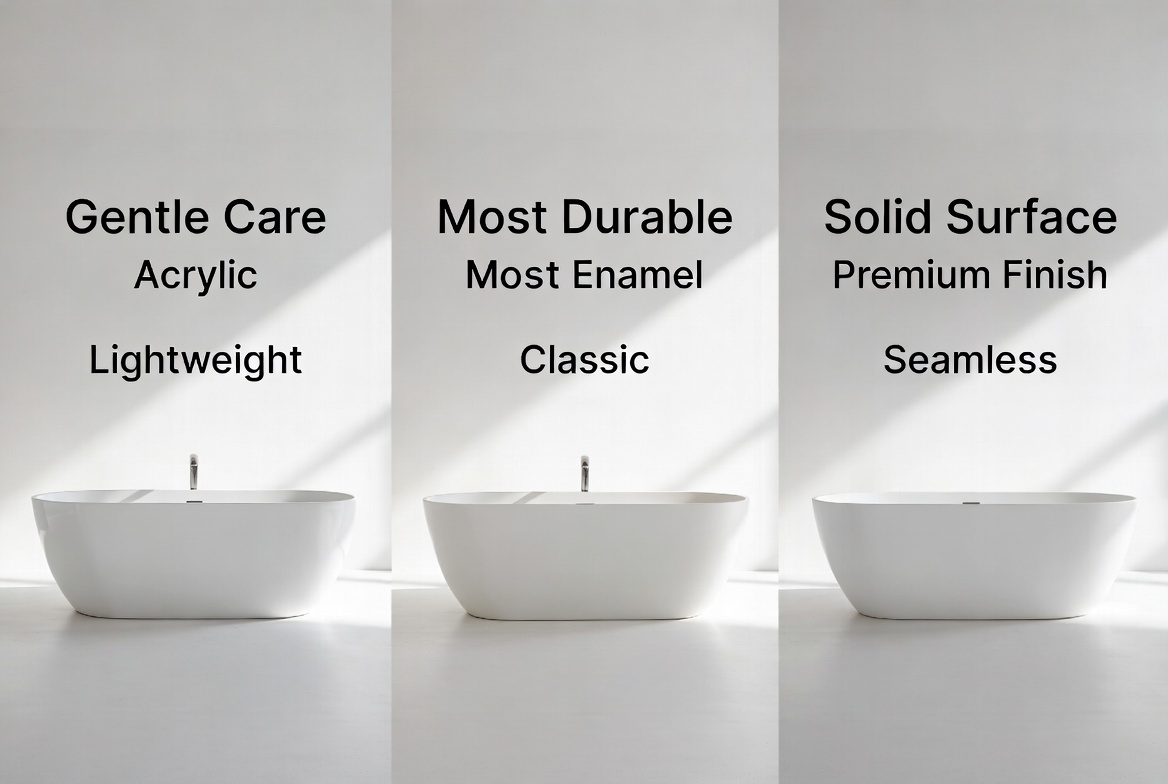
Beyond material, shape and design also affect how comfortable and safe bathtub laundry feels.
| Bathtub type | Why it helps with laundry | Best suited for |
|---|---|---|
| Freestanding tub | Accessible from all sides, plenty of room to move | Larger loads and bedding |
| Deep soaking tub | Extra depth for full submersion and soaking cycles | Heavily soiled items and long soaks |
| Japanese-style tub | Compact footprint but very deep | Small spaces and small daily loads |
| Drop-in tub | Practical ledges for organizing detergents and tools | Controlled, low-splash environments |
| Clawfoot tub | Classic deep design with space below for drainage accessories | Style-focused homes using backup laundry |
Air‑jetted or water‑jetted tubs are not ideal for frequent laundry, because fabric fibers and detergent can get trapped in jet openings and internal plumbing. If you must use them, keep jets off and perform a thorough cleaning cycle afterward.
From working with bathroom brands and international buyers, we repeatedly see the same small habits slowly damage otherwise premium tubs.
- Using abrasive scrub pads or stiff brushes directly on the tub floor.
- Leaving dark, heavily dyed garments soaking overnight.
- Using undiluted bleach, ammonia, or harsh bathroom cleaners in laundry water.
- Stomping on clothes with shoes or bare feet.
- Letting wet clothes sit on the tub edge for hours.
Over months and years, these behaviors lead to dull spots, discoloration rings, and fine scratches that are hard to repair without professional refinishing.
- Always dilute detergents and cleaners before they touch the tub.
- Use hands and soft cloths as your default "tools."
- Rinse and wipe the tub after each laundry session.
- Keep a dedicated soft mat or towel just for protecting the tub floor.
Think of your tub as a long-term investment in your bathroom—every gentle decision adds up.
If you're deciding whether to build bathtub laundry into your routine, weigh the benefits and trade‑offs clearly.
- No washing machine required—perfect for small apartments or temporary stays.
- Can be more gentle on fabrics, especially delicates and knitwear.
- Flexible water usage if you are trying to reduce loads or wash only a few items.
- More time- and labor‑intensive than a machine cycle.
- Increased risk of scratches, stains, and residue if done carelessly.
- Requires extra effort to rinse the tub and keep the bathroom tidy.
For many people, the best approach is to reserve bathtub laundry for special items, travel situations, or temporary washing machine downtime.
To keep your bathtub in "showroom condition," finish every laundry cycle with a quick care routine.
1. Drain the water completely.
2. Rinse the entire tub shell with warm water.
3. Wipe surfaces with a soft sponge or microfiber cloth.
4. For visible film, use a mild vinegar‑and‑water solution and rinse again.
5. Dry key areas like corners and the overflow area to prevent water marks.
This simple 3–5 minute routine dramatically extends the life and beauty of acrylic, fiberglass, and solid surface bathtubs, which are popular in modern residential and hospitality projects.
1. Can washing clothes in a bathtub permanently damage the surface?
Yes, it can, but usually only if you use harsh chemicals, abrasive tools, or let strong dyes sit on the surface for long periods. With gentle detergents, soft tools, and quick rinsing, most modern tubs handle occasional laundry well.
2. Is it safe to use bleach in the bathtub when washing clothes?
For surface protection, it is better to avoid bleach directly in the tub, especially with acrylic, fiberglass, or solid surface materials. If you must use a bleach solution, keep it highly diluted, avoid splashes on dry surfaces, and rinse thoroughly afterward.
3. How often is it okay to use my bathtub for laundry?
For sturdy porcelain‑enameled tubs, regular use is generally fine with proper care. For acrylic, fiberglass, and solid surface tubs, we recommend limiting bathtub laundry to occasional use and always following a careful cleaning routine afterward.
4. What should I never wash in a bathtub?
Avoid dry‑clean‑only garments, items with heavy or unstable dyes, clothes with rusting metal parts, and structured pieces with foam padding or boning. These can damage both the garments and your tub finish or drain.
5. How do I remove a dye stain if laundry water discolors my tub?
First, rinse the area with warm water and gently wipe with a soft sponge. If the mark remains, try a mild paste of baking soda and water or a manufacturer‑approved cleaner for your tub material. Avoid scrubbing aggressively—multiple gentle passes are safer than one harsh attempt.
1. Aquatica. "How to Wash Clothes in a Bathtub Without Ruining Your Tub." Available at: [https://aquaticausa.com/blogs/aquatica/how-to-wash-clothes-in-a-bathtub-without-ruining-your-tub]
2. Heritage Bathrooms. "Our Guide to Search Engine Optimisation." Available at: [https://www.heritagebathrooms.com/retailer-support/our-guide-to-search-engine-optimisation]
3. Semrush. "How UX and SEO Are Related (& How to Optimize for Both)." Available at: [https://www.semrush.com/blog/ux-and-seo/]
4. GitNexa. "User Experience and SEO: Complete 2026 Guide." Available at: [https://www.gitnexa.com/blogs/ux-seo-best-practices]
5. Miluo Bath. "Customized Bathtub, Wash Basin, Bathroom Solutions." Available at: [https://www.china-miluo.com/]


