
Views: 268 Author: Miluo Smart Home Publish Time: 2026-07-03 Origin: Site


Content Menu
● Understanding Artificial Stone Bathtubs
● Common Causes of Surface Scratches
● Artificial Stone vs Other Bathtub Materials (Scratch Perspective)
>> Scratch Behavior by Material
● When You Can Fix Scratches Yourself – And When To Call an Expert
● Step-by-Step Guide: Fixing Surface Scratches on Artificial Stone Bathtubs
>> Step 1 – Identify the Scratch Type and Area
>> Step 2 – Prepare the Bathtub Surface
>> Step 3 – Choose the Right Sanding Materials
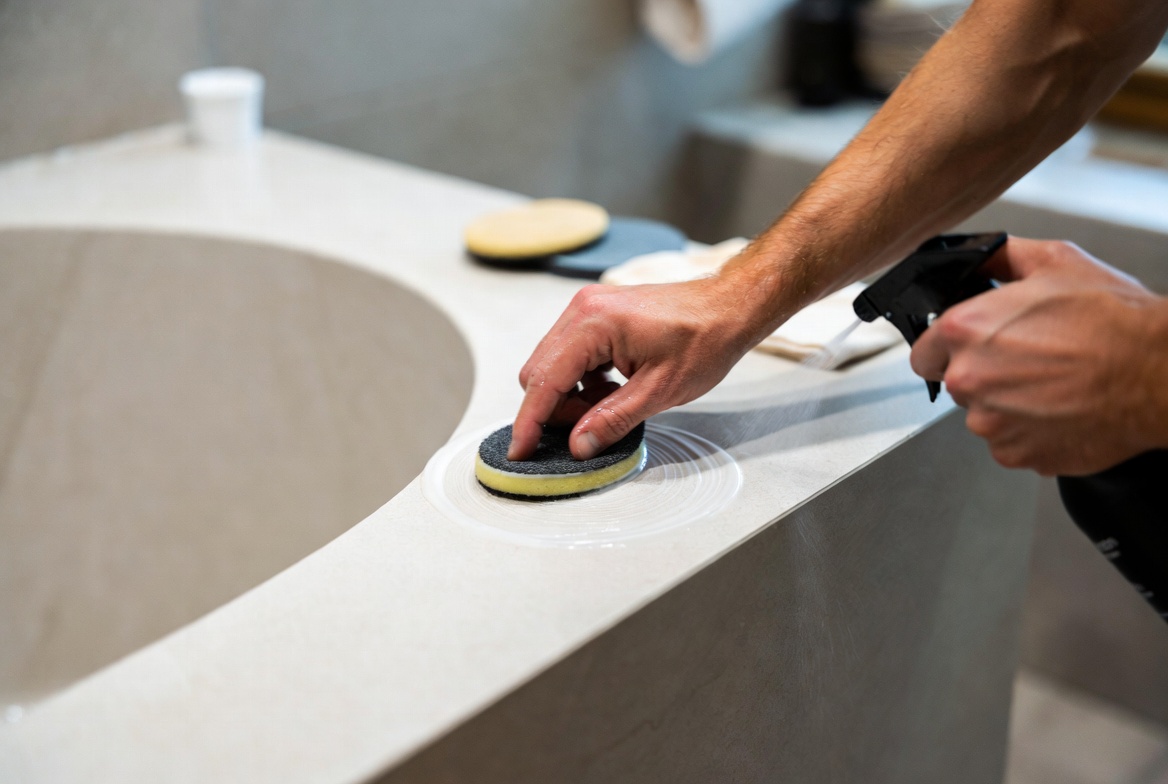
>> Step 4 – Sand the Scratched Area (Wet Sanding Recommended)
>> Step 5 – Clean and Inspect the Surface
>> Step 6 – Optional: Polishing and Finishing
● Expert Tips from a Manufacturer's Perspective
>> Design and Material Choices to Reduce Scratches
>> OEM/ODM Support for Project Buyers
● Preventing Future Scratches on Artificial Stone Bathtubs
● Choosing the Right Artificial Stone Bathtub Supplier
● Practical Example: Small Hotel Project Maintenance Scenario
● Call to Action – Plan Maintenance with Your Supplier
● Frequently Asked Questions (FAQ)
Artificial stone bathtubs are prized for their sleek look and durability, but even high-end solid surface tubs can develop surface scratches over years of daily use. Artificial stone bathtubs (also called solid surface or resin stone tubs) are still one of the easiest premium materials to repair at home when you follow the correct method and products.
In this guide, we will walk through a practical, step-by-step process to fix surface scratches on artificial stone bathtubs, combining the perspective of a homeowner and a professional manufacturer like Jiaxing Miluo Smart Home Co., Ltd. (Miluo Bath), a long-established supplier of solid surface bathroom products and OEM/ODM solutions for global brands and project buyers. [china-miluo]
Artificial stone bathtubs are typically made from a blend of resin and natural stone powder that is cast into a seamless solid surface. This mix delivers a matte, stone-like finish that feels warm and solid while still being repairable with sanding and polishing. [jxmiluo.en.made-in-china]
Compared with steel or enamel tubs, artificial stone surfaces are non-porous, stain-resistant and more forgiving when scratched, because the color and texture run through the material instead of sitting in a thin top coating. This means most surface scratches can be removed by controlled sanding and refinishing without replacing the entire bathtub. [china-miluo]
Even a high-end solid surface bathtub can accumulate light to medium surface scratches over time. From both user and manufacturer perspectives, the most common causes include:
- Abrasive cleaning tools such as steel wool pads, stiff brushes or rough scouring powders
- Metal objects (e.g., razor blades, bath caddies, tools) dragged along the tub surface
- Hard plastic or wooden stools used inside the tub during cleaning or bathing
- Improper transport and installation, where the tub surface contacts debris or sharp edges
For OEM and project buyers, these issues can sometimes occur during site installation rather than at the manufacturing stage, which is why many manufacturers highlight proper handling and maintenance instructions for installers and end users. [china-miluo]
From an industry expert view, understanding how artificial stone compares to other materials helps you choose the right repair strategy and set customer expectations. [made-in-china]
| Bathtub Material | Scratch Visibility & Behavior | Ease of DIY Repair | Typical Finish | Notes |
|---|---|---|---|---|
| Artificial stone / solid surface | Scratches appear as dull, lighter marks; material is homogeneous, so scratches are usually "within" the surface layer. (china-miluo) | High – light sanding and polishing often restore the original look. (china-miluo) | Matte or silky matte | Ideal for premium residential and project applications where long-term maintainability matters. (china-miluo) |
| Acrylic | Scratches are common and usually shallow; deep gouges can be more visible due to thinner material. (china-miluo) | Medium – requires careful sanding and polishing to avoid warping or gloss mismatch. (china-miluo) | Glossy | Lighter weight but more prone to cosmetic damage. |
| Enameled steel or cast iron | Scratches often affect the enamel coating; chips expose darker metal underneath. | Low – major damage usually needs professional resurfacing or recoating. | High-gloss enamel | Strong structure but limited DIY repair options. |
| Ceramic / porcelain | Hard and brittle; scratches and chips are usually localized and sharp. | Low – requires professional touch-up kits and color matching. | Glossy | Very durable but unforgiving to heavy impacts. |
For artificial stone, the key advantage is that the same material runs through the thickness of the tub surface, so a controlled sanding process does not remove a separate coating. This makes solid surface bathtubs particularly attractive for long-term projects, hotels and high-traffic residential bathrooms. [china-miluo]
From a practical homeowner standpoint, not all damage is the same. You should assess the severity before starting any repair.
Suitable for DIY repair:
- Fine, hairline scratches that you can feel slightly with a fingernail
- Shallow, matte abrasion marks from cleaning pads or plastic objects
- Localized dull spots where the finish has lost its original uniformity
Best handled by a manufacturer or professional service:
- Deep gouges that catch your fingernail strongly or expose a different layer
- Cracks, structural damage or thermal shock marks
- Large areas of damage (e.g., from construction mishandling)
- Color mismatch or custom finishes that require factory-level refinishing
Many solid surface manufacturers and OEM suppliers provide technical support, finishing guides or even onsite service for large project clients, especially for hotel and residential developments. For example, specialist factories like Miluo Bath offer bathtub restoration solutions for OEM/ODM buyers, including professional refinishing and polishing options for heavy damage. [china-miluo]
This section provides a practical, step-by-step process that a homeowner, facility manager, or project technician can follow to repair surface scratches on a solid surface bathtub.
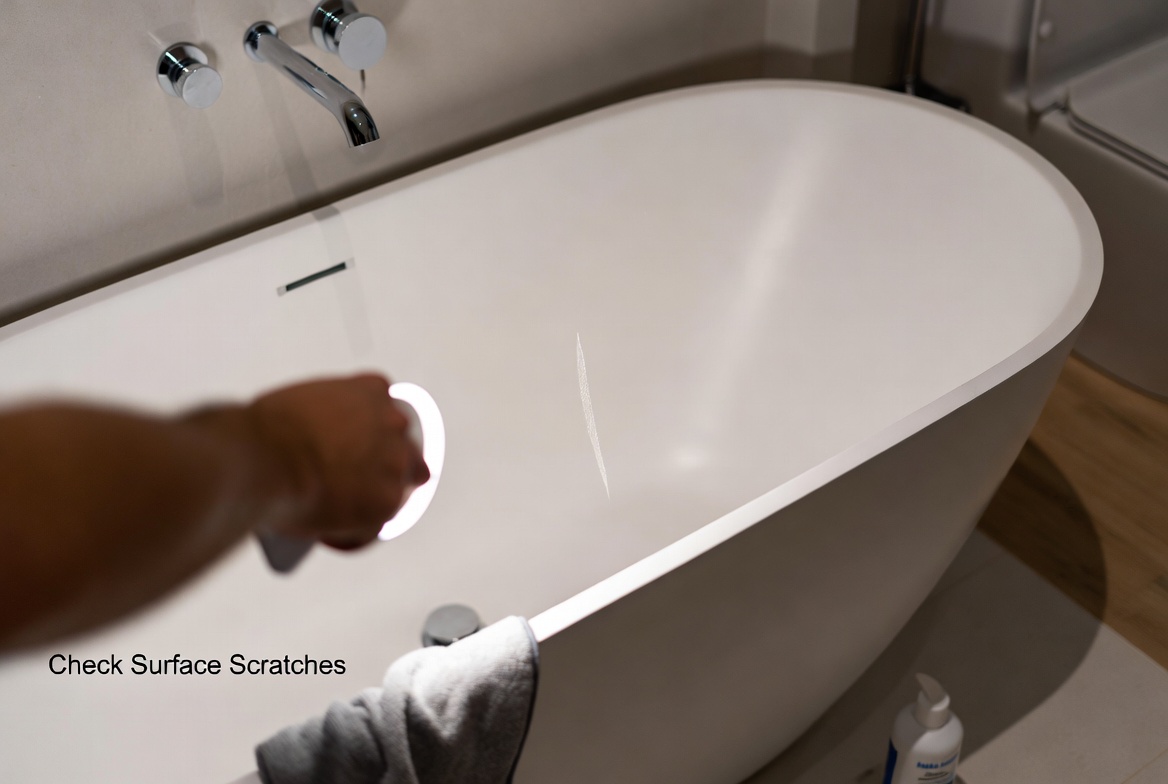
Before you pick up any tool, inspect the scratch carefully under good lighting.
- Clean the area gently with mild soap and water
- Dry it with a soft microfiber cloth
- Run your fingers lightly across the scratch to feel its depth
If the scratch is only visible at certain angles and feels shallow, it's usually suitable for DIY repair. If it feels deep or has sharp edges, consider consulting the manufacturer or your OEM supplier for guidance before proceeding. [china-miluo]
Proper preparation ensures that sanding tackles the scratch only, not extra dirt or residue.
You will need:
- Soft microfiber cloths
- Mild, non-abrasive bathroom cleaner or diluted neutral detergent
- Masking tape (optional, to mark the repair area)
Steps:
1. Clean the tub thoroughly, focusing on the scratched zone.
2. Rinse to remove any cleaner residue.
3. Dry completely with a clean cloth.
4. Optionally, use masking tape to frame the repair area so you stay within a controlled section of the tub.
Avoid any cleaner with strong solvents, bleach or abrasives, as these can interfere with the repair and potentially damage the solid surface material. [china-miluo]
Most solid surface manufacturers recommend fine to very fine abrasive pads or sandpaper, usually in the range of 400–1000 grit or higher, depending on the level of damage and the desired finish. [china-miluo]
Common options include:
- Sanding sponges or pads (fine and extra fine)
- Wet/dry sandpaper in ascending grits (e.g., 400 → 600 → 800 → 1000)
- Non-woven abrasive pads for blending and smoothing
For a typical matte artificial stone bathtub, a combination of 600–800 grit is often sufficient for light surface scratches. For finer finishes, you may finish with 1000–1200 grit to restore a smooth, consistent feel. [china-miluo]
Wet sanding is generally preferred for artificial stone bathtubs because it reduces dust, helps control heat, and provides a more uniform finish. [china-miluo]
Steps:
1. Dampen the sandpaper or abrasive pad with clean water.
2. Lightly wet the scratched area as well.
3. Using gentle, circular motions, sand over the scratch with minimal pressure.
4. Periodically stop, rinse the area, and check your progress.
5. If the scratch remains visible, continue with the same grit, then gradually move to a finer grit to refine the surface.
Use consistent motion and light pressure; the goal is to blend the scratch into the surrounding area without creating a noticeable depression. Always extend your sanding slightly beyond the scratch boundary to avoid creating a visible "patch". [china-miluo]
After sanding, thorough cleaning is essential to evaluate the repair.
- Rinse off all residue from the sanding process
- Wipe dry with a soft microfiber cloth
- View the area from different angles and under natural or artificial light
If the scratch is no longer visible and the texture feels even and smooth, your sanding is complete. If a faint line remains, repeat a short round of fine-grit sanding rather than applying aggressive pressure. [china-miluo]
Many artificial stone bathtubs have a soft matte or satin finish, so heavy polishing is often unnecessary. However, for a more refined look or to match certain finishes, a light polish can be applied. [china-miluo]
Options:
- Non-abrasive polishing cream recommended for solid surface materials
- Soft polishing pad or microfiber cloth
Steps:
1. Apply a small amount of polishing cream to the repaired area.
2. Use a soft cloth to buff in gentle, circular motions.
3. Continue until the repaired section visually blends with the rest of the tub.
4. Wipe away any excess product and check for a consistent finish.
For large-scale project installations, many OEM suppliers specify factory-approved polishing products and processes to ensure that color, gloss level and texture remain consistent across multiple units and over time. [china-miluo]
As a high-end bathroom product manufacturer serving global OEM/ODM clients, a company like Jiaxing Miluo Smart Home Co., Ltd. brings practical, field-tested insight into both material performance and after-sales care for artificial stone bathtubs. [jxmiluo.en.made-in-china]
From an engineering and product design perspective, manufacturers may:
- Use high-quality resin stone blends with optimized hardness and density for better scratch resistance
- Design bathtubs with soft curves and generous radii to reduce stress points
- Apply consistent matte textures that make minor scratches less obvious and easier to blend
- Offer custom colors that are solid and homogenous, making localized repairs visually seamless
These design decisions are especially important for hotel, multi-unit residential and project buyers, where lifetime maintenance cost and visual consistency across units are critical. [china-miluo]
For international brands, wholesalers and project developers, working with an experienced manufacturer means:
- Access to technical datasheets and care instructions for artificial stone tubs
- Guidelines for onsite installation and maintenance, including approved cleaning and repair methods
- Bathtub restoration and refinishing services or guidance for major damage cases
- Flexibility in custom sizes, shapes and colors while keeping the material and surface properties predictable for long-term maintenance
Jiaxing Miluo Smart Home Co., Ltd., operating under the Miluo Bath brand, emphasizes solid surface technologies and provides OEM/ODM support for custom bathtubs, wash basins and bathroom vanities, enabling project buyers to align their design and maintenance strategies across entire bathroom suites. [jxmiluo.en.made-in-china]
Repairing scratches is helpful, but prevention delivers the best long-term user experience and lowers maintenance costs for both homeowners and project operators.
Best practices for everyday users:
- Avoid steel wool, harsh scouring pads or abrasive powders
- Use soft sponges or microfiber cloths with neutral cleaners
- Do not drag metal objects or rough stools inside the tub
- Place a soft mat or towel between the tub surface and any auxiliary accessories
Guidelines for installers and maintenance teams:
- Protect the bathtub with coverings during construction and finishing works
- Avoid storing tools, tiles or heavy materials directly on the tub surface
- Follow the manufacturer's installation manual and care instructions strictly
- Train staff on approved cleaning products and methods specific to solid surface materials
Following these preventive steps helps maintain the like-new appearance of artificial stone bathtubs and reinforces the value proposition of premium solid surface products for both residential customers and commercial project owners. [china-miluo]
From a B2B buyer's and content strategist's perspective, the choice of supplier matters as much as the material when it comes to long-term surface performance and after-sales service.
Key criteria to evaluate:
- Experience with solid surface and artificial stone products
- Global OEM/ODM capability, including custom molds, sizes and colors
- Technical support on installation, cleaning and repair
- Track record with export markets and project clients
Established factories like Miluo Bath highlight their solid surface expertise, high-end bathtubs and related products, along with global export experience and dedicated OEM/ODM services, positioning them as a reliable partner for international brands and project buyers who need long-lasting, maintainable tub solutions. [jxmiluo.en.made-in-china]
Consider a boutique hotel that installed a series of artificial stone freestanding bathtubs in all suites. Over two years, housekeeping reports light surface scratches in a few units, likely from cleaning tools and guest luggage.
Instead of replacing units, the facility management team:
1. Reviews the manufacturer's care and repair guide for the specific solid surface material. [china-miluo]
2. Trains housekeeping staff to switch to non-abrasive cleaning tools.
3. Assigns a maintenance technician to repair scratches using the wet sanding and polishing method described above.
4. Keeps a log of each repair to track any recurring issues and adjust operating procedures.
This approach helps the hotel maintain premium bathroom aesthetics while avoiding unnecessary replacement costs, validating the choice of artificial stone bathtubs as a high-value, maintainable solution for hospitality projects. [china-miluo]
If you are a homeowner, take a few minutes to inspect your artificial stone bathtub and decide whether a simple DIY repair is enough or if you should consult a professional.
If you are a brand owner, wholesaler or project buyer, work closely with your OEM/ODM bathtub supplier to:
- Obtain material-specific care and repair guides
- Include maintenance training in your project handover process
- Align your cleaning standards with the manufacturer's recommendations
Partnering with an experienced manufacturer like Jiaxing Miluo Smart Home Co., Ltd. ensures that your artificial stone bathtubs remain a long-term asset, not a maintenance burden, for your end customers and projects. [jxmiluo.en.made-in-china]
1. Can I use regular household cleaners on an artificial stone bathtub?
Most mild, non-abrasive bathroom cleaners are safe for artificial stone bathtubs, but you should avoid aggressive solvents, bleach and abrasive powders that can dull the surface over time. Always refer to your manufacturer's care instructions for approved cleaning products. [china-miluo]
2. How often can I sand my artificial stone bathtub without damaging it?
Because artificial stone is a homogeneous solid surface, occasional light sanding to remove surface scratches is generally safe, provided you use fine-grit abrasives and gentle pressure. However, frequent or overly aggressive sanding in the same area may cause minor unevenness, so it's best to focus on prevention and limit sanding to necessary repairs. [china-miluo]
3. Are all artificial stone bathtubs equally easy to repair?
Not all solid surface formulations behave identically. High-quality artificial stone bathtubs from experienced manufacturers are designed with controlled hardness and texture, making light surface repairs more predictable and consistent. It is important to follow the specific guidelines for your product line rather than assuming all materials respond the same way. [china-miluo]
4. Can I repair color-stained scratches the same way as normal scratches?
If a scratch has trapped colored stains (e.g., hair dye or cosmetic products), you should first try gentle cleaning with approved cleaners. If the stain remains, careful fine-grit sanding can remove both the scratch and the stained surface layer, but deeper stains may require professional evaluation to avoid color mismatch. [china-miluo]
5. What should project buyers ask their bathtub supplier about scratch repair?
Project buyers should ask for technical documentation on material composition, approved cleaning methods, recommended sanding and polishing procedures, and warranty coverage for surface defects. They should also confirm whether the supplier offers bathtub restoration services or onsite support for major projects such as hotels or residential developments. [china-miluo]
1. Miluo Bath – Official Website: High-End Bathtubs, Basins & OEM/ODM Solutions. Available at: https://www.china-miluo.com/
2. Miluo Bath – Artificial Stone Bathtubs vs Acrylic Bathtubs for OEM and Project Buyers. Available at: https://www.china-miluo.com/artificial-stone-bathtubs-vs-acrylic-bathtubs-for-oem-and-project-buyers.html
3. Miluo Bath – Bathtub Restoration Product and Service Information. Available at: https://www.china-miluo.com/bathtub-restoration.html
4. Miluo Bath – Solid Surface Shower Base Product Page (Material and Technology Overview). Available at: https://www.china-miluo.com/solid-surface-shower-base.html
5. Jiaxing Miluo Smart Home Co., Ltd. – Company Profile on Made-in-China. Available at: https://jxmiluo.en.made-in-china.com/


