
Views: 262 Author: Miluo Smart Home Publish Time: 2026-07-05 Origin: Site


Content Menu
● Why bathtub drain type matters
● The most common bathtub drain types
● Hidden differences buyers should not ignore
● How to choose the right drain for your tub
● What's changing in modern bathtub projects
● Practical advice from the field
● Why OEM and ODM buyers should care
● FAQ
>> 1. What is the most common bathtub drain type?
>> 2. Which bathtub drain is easiest to use?
>> 3. Which bathtub drain is easiest to clean?
>> 4. Do all bathtubs need an overflow drain?
>> 5. What drain type is best for freestanding tubs?
>> 6. How do I choose a drain for OEM bathtub production?
Choosing the right bathtub drain type is more important than many brands realize. For modern bathrooms, especially in OEM and ODM bathtub projects, the drain affects comfort, safety, maintenance, and even the final look of the tub. [aquaticausa]
A bathtub drain is not just a functional part hidden below the tub. It influences water retention, overflow protection, installation compatibility, cleaning effort, and the user's daily bathing experience. [signaturehardware]
For manufacturers, wholesalers, and brand owners, the right drain choice also affects product positioning. A luxury freestanding tub, an alcove tub, and a clawfoot tub often need different drain assemblies and different installation logic. [support.gerber-us]
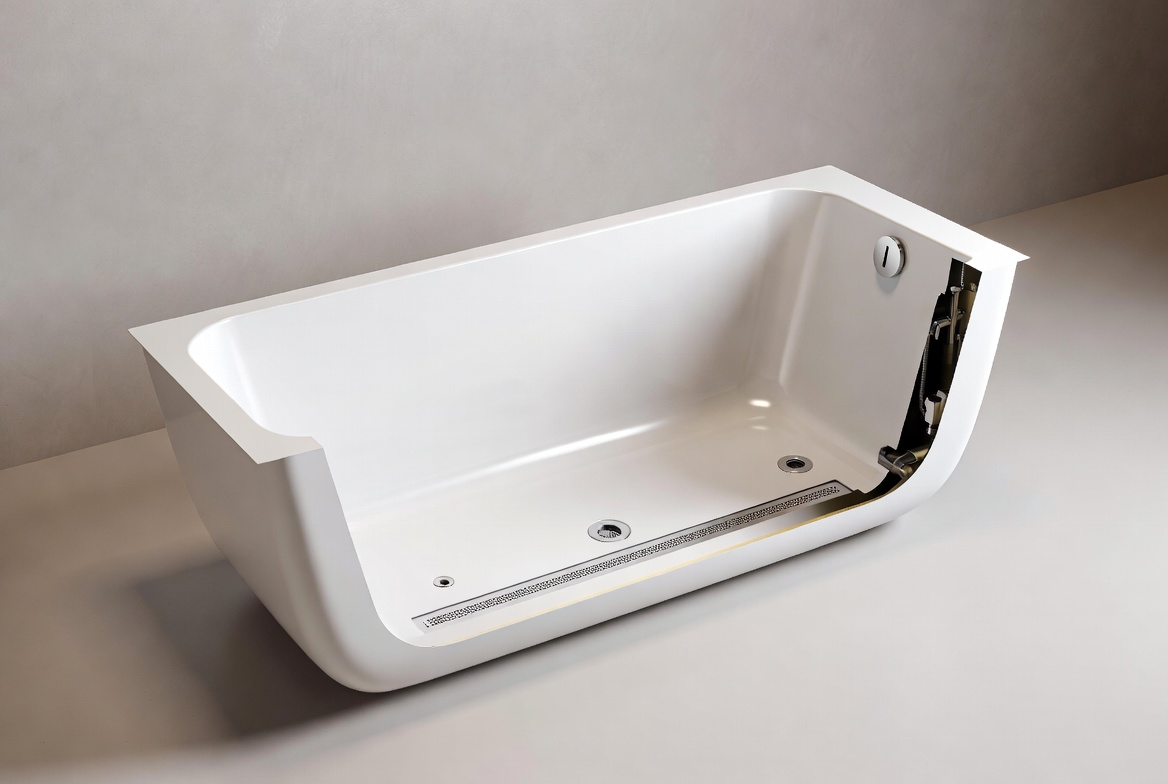
Bathtub drains come in several styles, but a few designs appear again and again in real-world projects. The most common categories include lift-and-turn, push-and-pull, toe-touch, flip-it, trip-lever, pop-up, cable, and straight drain systems. [kingstonbrass]
A lift-and-turn drain uses a small knob on the stopper. You lift it slightly, turn it, and the drain opens or closes. [kingstonbrass]
This design is popular because it is simple, familiar, and easy to maintain. It also works well in many standard bathtub styles, making it a practical choice for broad-market products. [signaturehardware]
A push-and-pull drain works by pushing the stopper down to close it and pulling it up to open it. It is straightforward, affordable, and easy for most users to understand. [aquaticausa]
For OEM bathtub programs, this style is often selected when the goal is low-cost functionality with minimal complexity. It is a dependable option for mainstream residential use. [kingstonbrass]
A toe-touch drain opens and closes with a simple press from the foot. This makes it convenient for users who want to avoid bending down too much. [kingstonbrass]
It is especially useful in modern bathrooms where ease of use matters. In product planning, toe-touch drains are often viewed as a good balance between user comfort and clean design. [signaturehardware]
A flip-it drain uses a small toggle-style stopper that flips between open and closed positions. It is a compact, user-friendly solution often used in simpler tub designs. [aquaticausa]
Because it has fewer visible moving parts, the flip-it style can appeal to buyers who want a neat look and an easy operating mechanism. It is also widely understood by consumers in export markets. [aquaticausa]
A trip-lever drain uses a lever on the overflow plate to activate the stopper inside the drain assembly. [support.gerber-us]
This design is common in tubs with overflow systems. It offers a familiar user experience and is often chosen when overflow functionality is required by the product design or local installation standard. [forms.iapmo]
A pop-up drain is operated with a lever mechanism and internal linkage. It is a classic option for tubs that need a stopper connected to the overflow plate. [support.gerber-us]
This type can be functional and attractive, but it may require more careful installation and maintenance than simpler drains. For premium tubs, it is often used when the design needs hidden mechanics and a more integrated system. [signaturehardware]
A cable drain uses a metal cable to connect the control knob to the drain mechanism. This creates smoother operation and gives designers more flexibility in placement. [signaturehardware]
Cable systems are often used in modern bathtub applications because they can support a cleaner exterior look. They are also useful when the product needs a refined user interface without sacrificing functionality. [signaturehardware]
A straight drain connects directly in a simpler vertical or direct layout, often used in specific freestanding or floor-drain configurations. [signaturehardware]
This style can simplify installation in certain bathroom layouts. It is especially useful when the tub design and plumbing layout are already aligned for a direct connection. [signaturehardware]
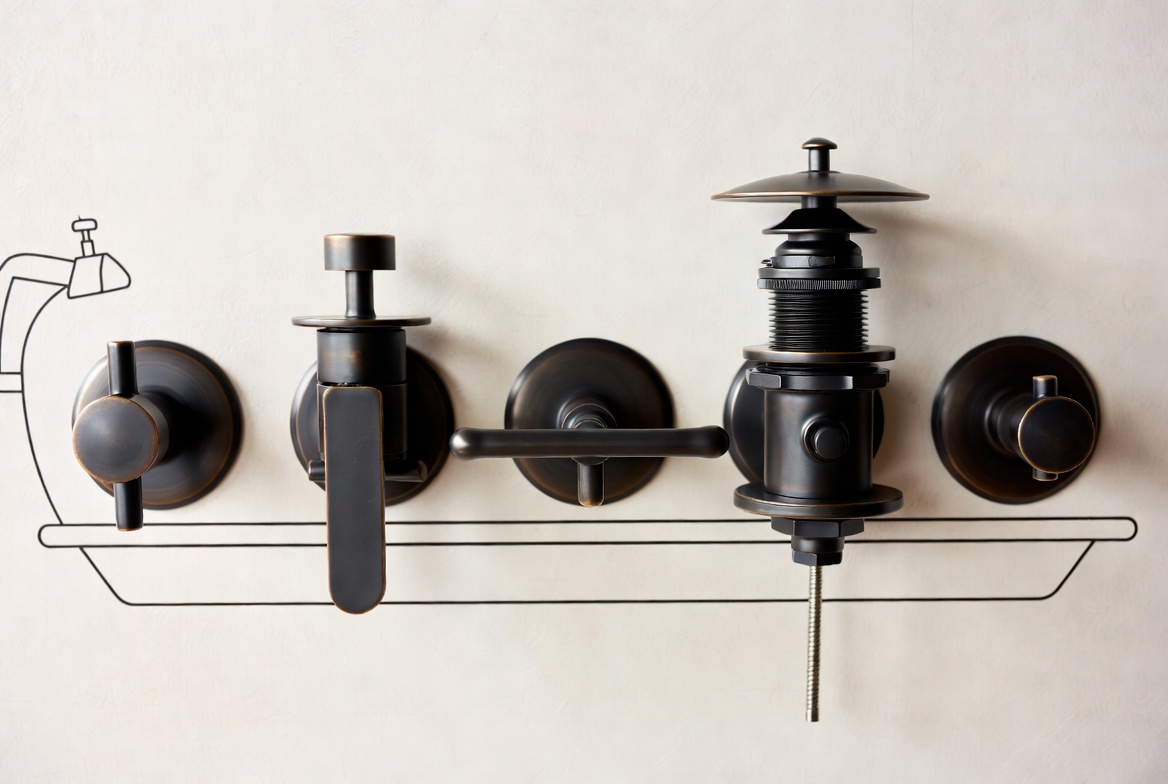
Two drains may look similar, but their performance can be very different. The biggest differences usually come from overflow compatibility, cleaning access, installation complexity, and the type of tub they are designed for. [support.gerber-us]
Here are the most important factors to evaluate:
- Overflow compatibility, especially for tubs that require protection against overfilling. [forms.iapmo]
- Maintenance access, because some drain types are easier to clean than others. [signaturehardware]
- Installation layout, including floor outlet, wall outlet, or concealed plumbing. [support.gerber-us]
- User convenience, especially for elderly users or households that value easy operation. [kingstonbrass]
- Finish matching, since exposed drain hardware should match faucets and bathroom fixtures in premium projects. [fergusonhome]
The best bathtub drain is the one that fits the tub structure, target market, and installation environment. For that reason, product teams should evaluate drain choice early in the development process, not after the tub design is finalized. [nearbyhunt]
Use this simple selection process:
1. Confirm the tub type. Alcove, freestanding, drop-in, and clawfoot tubs often require different drain solutions. [support.gerber-us]
2. Check overflow requirements. Some tubs need an overflow for safety and code compliance, while others use a different waste arrangement. [forms.iapmo]
3. Match the finish. Drain finishes should coordinate with other bathroom hardware for a consistent premium look. [fergusonhome]
4. Review installation conditions. Space, access panel design, and pipe routing can affect the best choice. [nearbyhunt]
5. Consider maintenance. Simpler systems are often easier to clean and less likely to frustrate end users. [signaturehardware]
Modern bathtub projects are moving toward cleaner visual lines, easier installation, and more premium user experiences. This has increased demand for drain solutions that combine functionality with a minimalist appearance. [badeloftusa]
For high-end bathroom collections, brands often prefer coordinated finishes, concealed mechanics, and better access to maintenance parts. That is especially relevant for freestanding tubs and luxury soaking tubs, where the drain is visible and part of the overall design language. [badeloftusa]
In real bathtub development, one of the most common mistakes is choosing the drain too late. That can lead to redesigns, compatibility issues, or a weaker final product.
To avoid that, manufacturers should align the drain with these three priorities:
- Product architecture, including tub shape, overflow position, and plumbing route.
- Target customer, including luxury buyers, contractors, distributors, or retail consumers.
- After-sales maintenance, including replacement parts, clear assembly instructions, and serviceability.
A better drain choice can improve reviews, reduce support issues, and strengthen the perceived quality of the entire bathtub.
For overseas brands, wholesalers, and manufacturers, drain selection is part of the commercial value of the tub. A well-matched drain can reduce installation problems and make the product easier to sell in multiple markets.
If you supply bathtubs for export, the drain system should be reviewed alongside faucet hole options, overflow design, and tub structure. This creates a more complete solution and improves the overall customer experience.
If your goal is a reliable, modern, and market-ready bathtub, choose a drain system that fits the tub design first, then the user experience, and finally the visual finish. That order usually produces the best combination of performance, safety, and commercial appeal.
For brands developing custom bathtub programs, the smartest approach is to treat the drain as part of the product strategy, not a last-step accessory. That is where OEM and ODM differentiation begins.
The most common bathtub drain types include lift-and-turn, push-and-pull, toe-touch, trip-lever, pop-up, and cable drains. [aquaticausa]
Toe-touch and lift-and-turn drains are generally considered easy to use because they require simple physical actions and have straightforward mechanisms. [kingstonbrass]
Simpler drain styles usually have fewer internal parts and are often easier to maintain than lever-based systems with more linkage components. [signaturehardware]
Not every fixture follows the same requirement, but bathtubs with overflow designs use the overflow as a safety feature to help prevent overfilling. [forms.iapmo]
Freestanding tubs often use extended straight drain or other visible drain systems designed to match the tub's exposed plumbing layout and overall style. [signaturehardware]
Start with tub type, overflow needs, installation environment, and target market. Then select a drain system that balances usability, appearance, and serviceability. [nearbyhunt]
1. [Aquatica USA – 25 Types of Bathtub Drains: Choose the Right One]
2. [Signature Hardware – Tub Drain Buying Guide: 5 Types of Drains for Your Bathtub]
3. [Kingston Brass – Different Types of Bathtub Drains]
4. [Gerber – Bath Drains Quick Reference Guide]


