
Views: 222 Author: Miluo Smart Home Publish Time: 2026-05-02 Origin: Site


Acrylic, fiberglass, and porcelain bathtubs each serve a different type of bathroom and buyer, and for most modern projects acrylic delivers the best balance of design flexibility, comfort, and lifecycle cost, while fiberglass wins on price and porcelain leads on long‑term surface durability. As an OEM/ODM manufacturer, Jiaxing Miluo Smart Home can leverage acrylic as the core material for customizable high‑end tubs, while still engineering fiberglass and porcelain‑enamel solutions for specific markets and specifications. [aquaticausa]
As a manufacturer working with overseas brands and wholesalers, I see the same question come up again and again: acrylic vs fiberglass vs porcelain – which bathtub material truly fits today's bathrooms? From both an end‑user and an industry perspective, the "best" tub is the one that balances comfort, structural performance, heat retention, and long‑term cost for a specific project. [horow]
In this guide, I will compare acrylic, fiberglass, and porcelain bathtubs in detail, using both market data and hands‑on manufacturing experience from Jiaxing Miluo Smart Home's OEM/ODM projects. You will see where each material shines, how it behaves over years of use, and which one is most suitable for premium residential and commercial bathrooms. [empava]
Before going deep, it helps to see the top‑level differences between acrylic, fiberglass, and porcelain tubs.** [horow]
| Feature | Acrylic Bathtub | Fiberglass Bathtub | Porcelain Bathtub (Steel/Cast Iron Base) |
|---|---|---|---|
| Typical Positioning | Mid‑range, modern premium horow | Entry‑level, budget horow | High‑durability, traditional or upscale look empava |
| Weight | Lightweight empava | Lightest horow | Heavy to very heavy empava |
| Durability | High, reinforced, resists cracking horow | Lowest; can flex, scratch, and fade horow | Very high; hard, scratch‑resistant surface empava |
| Heat Retention | Good to excellent, warm to touch horow | Poor, cools down faster horow | Moderate; surface feels cool but holds heat well once warmed empava |
| Installation | Easy, good for upper floors horow | Easiest, ideal for quick installs horow | Hardest; may need structural reinforcement empava |
| Design Flexibility | Very high, many shapes and sizes horow | Limited, simpler forms horow | Mostly classic forms, white finishes empava |
| Typical Lifespan | Around 10–15 years horow | Around 5–10 years horow | 20+ years with proper care horow |
Acrylic bathtubs are made from vacuum‑formed acrylic sheets reinforced with fiberglass, creating a light yet structurally strong shell. This combination gives acrylic tubs a smooth, glossy surface and a comfortable, slightly warm touch even before filling the bath. [jumei-acrylic]
From a manufacturing standpoint, acrylic is very friendly to complex geometries, which is why you see so many freestanding, asymmetric, or spa‑inspired acrylic designs in high‑end collections. For OEM/ODM customers, this means brands can differentiate with unique silhouettes and ergonomic forms without pushing weight or cost to extremes. [hanselstone]
- Excellent heat retention for long, comfortable soaking. [empava]
- High design flexibility, supporting freestanding, alcove, corner, and drop‑in formats. [jumei-acrylic]
- Lightweight enough for upper‑floor installation without heavy structural upgrades. [pellakconstruction]
- Surface scratches can often be buffed and repaired instead of replacing the whole tub. [horow]
- Wide range of sizes and modern finishes for contemporary bathroom aesthetics. [hanselstone]
- Less hard than porcelain enamel; can scratch if abrasive cleaners are used. [inman]
- May stain over many years if low‑quality resins or coatings are used. [aqualivingstores]
- Very thin or poorly reinforced acrylic can flex, so manufacturing quality is critical. [jumei-acrylic]
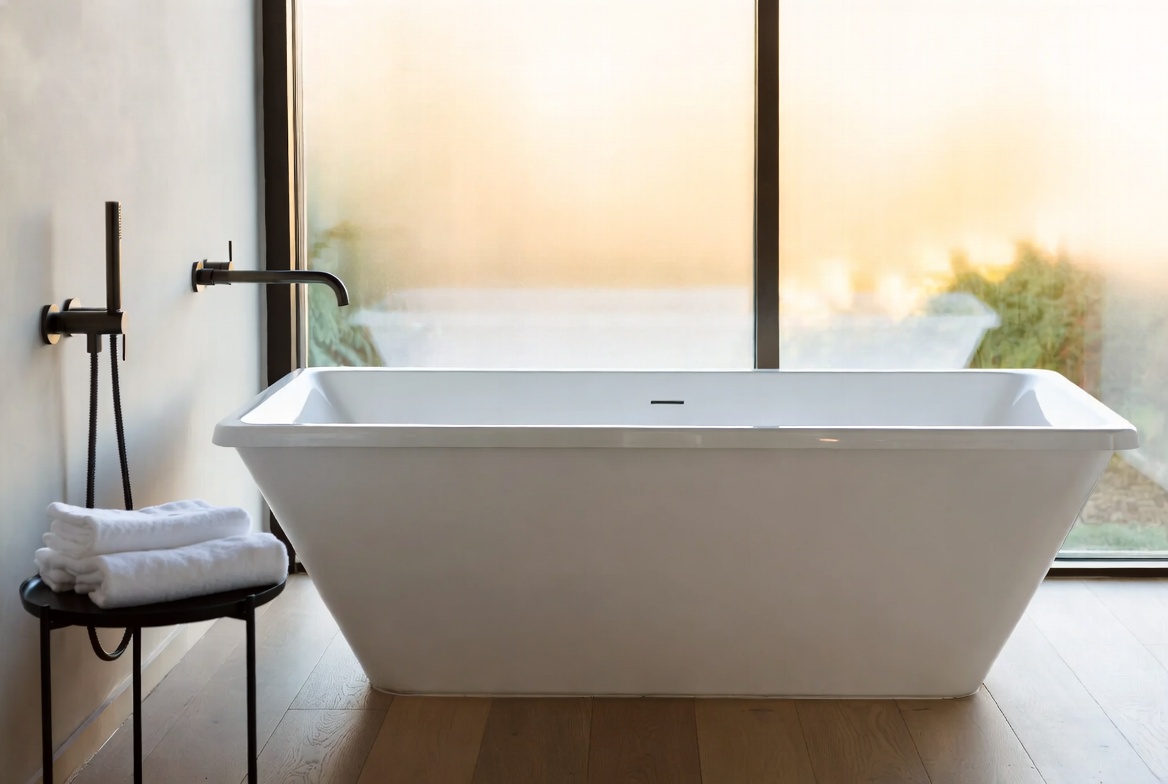
Fiberglass tubs are made from layers of fiberglass cloth and resin sprayed into a mold, then coated with a gelcoat finish. They are usually the lightest and most affordable bathtubs on the market, which is why they dominate entry‑level residential projects and volume‑driven developments. [inman]
However, the same thin construction that keeps the price low can also make fiberglass tubs less stable under load and more prone to surface wear over time. For B2B buyers, fiberglass makes sense where budget and speed matter more than long‑term luxury or heavy‑duty use. [thetubguys]
- Lowest cost among the three materials; ideal for budget projects. [inman]
- Extremely light and easy to move, making installation fast and simple. [empava]
- Good option for guest bathrooms or low‑usage spaces. [thetubguys]
- Thinner walls can flex when someone stands or sits in the tub. [horow]
- Finish is prone to scratching, dulling, and color fading with harsh cleaners. [thetubguys]
- Shorter lifespan than acrylic or porcelain, typically around 5–10 years. [inman]
- More difficult to repair invisibly if deeper cracks develop. [horow]

When we talk about porcelain tubs for modern bathrooms, we usually mean a steel or cast iron base coated with a layer of porcelain enamel. This creates a very hard, glass‑like surface that is highly scratch‑resistant and retains a bright, glossy look for many years. [blockrenovation]
Cast iron or steel bases make porcelain tubs significantly heavier than acrylic or fiberglass, which affects installation, logistics, and load‑bearing design. From a manufacturer–buyer perspective, porcelain tubs sit at the intersection of classic aesthetics, very long service life, and higher upfront cost and complexity. [pellakconstruction]
- Extremely hard and durable surface; resists scratches and chemical wear. [empava]
- Long lifespan, often 20+ years with proper care. [empava]
- Classic, high‑end appearance that works well in traditional and luxury settings. [thetubguys]
- High resistance to everyday staining and discoloration. [thetubguys]
- Very heavy; may require extra structural support and professional installation. [pellakconstruction]
- Surface feels cooler to touch, especially at the beginning of a bath. [blockrenovation]
- Porcelain enamel can chip if struck with heavy objects, exposing the metal base beneath. [empava]
- Fewer modern shapes and sizes compared to acrylic designs. [aqualivingstores]

From a user and specifier perspective, performance over everyday use matters more than any single technical property. Below we compare acrylic, fiberglass, and porcelain across the dimensions that actually drive satisfaction and lifecycle cost. [pellakconstruction]
- Acrylic: Holds warmth well, making it a strong choice for long soaking baths. [horow]
- Fiberglass: Loses heat faster; users often notice water cooling sooner. [inman]
- Porcelain: Once warmed, retains heat effectively, but surface feels cooler initially. [blockrenovation]
If your brand positions tubs as spa‑like or wellness products, an acrylic or high‑end porcelain solution will better support that promise than fiberglass.** [horow]
- Acrylic: Resists cracking and chipping; light scratches are usually repairable with polishing kits. [empava]
- Fiberglass: Vulnerable to scratching, fading, and stress cracks; tends to show wear sooner. [inman]
- Porcelain: Very strong against scratches and chemicals, but chips are more serious and harder to repair invisibly. [thetubguys]
For hospitality and multifamily projects, many specifiers now prioritize acrylic or porcelain over fiberglass precisely because of long‑term maintenance and guest perception.** [thetubguys]
Industry design trends in 2026 favor clean lines, minimal seams, and spa‑like, freestanding tubs that visually "float" in the space. Acrylic is typically the most flexible material for these shapes, including thin‑rim silhouettes and integrated overflow or backrests. [aquacubic]
At the same time, porcelain and porcelain‑inspired surfaces remain popular for wall and floor finishes due to their durability and low porosity, often paired with acrylic tubs for comfort and design range. This mix allows designers to tell a consistent story of performance and luxury across the bathroom. [edwardmartin]
Drawing on OEM/ODM collaboration with bathroom brands and wholesalers, certain patterns emerge when choosing between acrylic, fiberglass, and porcelain.** [hanselstone]
Acrylic tubs tend to be the strongest fit when a project needs customization, comfort, and mid‑to‑high positioning at a manageable cost. Jiaxing Miluo Smart Home can adjust shell thickness, reinforcement, and surface finish to match different market segments and brand identities. [jumei-acrylic]
Acrylic is ideal for:
- Premium residential master bathrooms.
- Boutique hotels and serviced apartments aiming for a spa‑like experience.
- Brands that want signature freestanding shapes or integrated smart features.
Despite its limitations, fiberglass remains relevant in some scenarios. For large‑scale developments with strict budgets and relatively low usage expectations, fiberglass can offer an acceptable compromise if specified and supported correctly. [inman]
Fiberglass works for:
- Entry‑level residential projects where cost per unit is critical.
- Low‑usage guest bathrooms.
- Short‑term rentals or properties with limited holding period.
Porcelain tubs are most attractive when longevity, classic appeal, and a sense of permanent quality are key selling points. This often applies to high‑end renovations, heritage properties, or luxury residences where the tub is both a functional element and a long‑term asset. [hanselstone]
Porcelain fits:
- Luxury homes emphasizing timeless style and heavy daily use.
- Projects where floor structure can comfortably support additional weight.
- Clients who prioritize a hard, glossy enamel feel over softer, warmer surfaces.
To make a decision faster, use this simple step‑by‑step checklist when choosing between acrylic, fiberglass, and porcelain tubs.** [pellakconstruction]
1. Clarify bathroom type and usage
Master bath, kids' bath, guest bath, or hospitality project will drive material choice.
2. Define positioning and budget
Decide whether the bathroom should feel entry‑level, mid‑range, or luxury, then align material and design accordingly.
3. Check site constraints
Evaluate floor load, access paths, and installation conditions to see if a heavy porcelain tub is practical. [pellakconstruction]
4. Decide on experience
For warm, spa‑like soaking and modern shapes, prioritize acrylic; for classic, hard‑enamel feel, consider porcelain. [horow]
5. Plan long‑term maintenance
Consider who will clean and maintain the tub, what cleaners they will use, and whether light repairability (acrylic) or hard enamel (porcelain) better fits that reality. [empava]
As a dedicated bathtub and sanitary product manufacturer, Jiaxing Miluo Smart Home is not just supplying tubs; we co‑develop market‑ready solutions with international brands, wholesalers, and manufacturers. This means we design and engineer acrylic, fiberglass, and porcelain‑compatible products that align with your brand, price point, and target customer profile. [jumei-acrylic]
- Tailored acrylic bathtub molds for signature freestanding, drop‑in, and alcove models.
- Adjusted reinforcement schemes for different regions and hotel/residential standards.
- Integration of modern features such as overflow channels, ergonomic backrests, and optional spa systems.** [hanselstone]
- Strict control of acrylic sheet thickness and fiberglass reinforcement to reduce flex and extend lifespan. [jumei-acrylic]
- Collaboration with reliable enamel and coating providers for consistent porcelain finishes. [thetubguys]
- Testing for stain resistance, surface gloss, and color stability to match international expectations. [empava]

If you are looking for a single winner, acrylic bathtubs typically offer the most balanced combination of comfort, aesthetics, and total cost of ownership for modern bathrooms. Fiberglass remains a good option where upfront price and light weight are top priorities, while porcelain excels in heavy‑duty, long‑term, and more traditional luxury environments. [inman]
For brands, wholesalers, and project owners, the real opportunity is to match the right material to each bathroom type and market segment—and to work with an OEM/ODM partner who understands how these technical choices translate into real user experience.** [hanselstone]
If you are planning your next bathtub collection or specifying tubs for an upcoming project, contact Jiaxing Miluo Smart Home Co., Ltd. to discuss custom acrylic, fiberglass, or porcelain‑compatible solutions tailored to your brand and market. Our engineering and design team can help you turn material choices into long‑term value for your customers.** [jumei-acrylic]
Q1: Which bathtub material is best for a master bathroom?
Acrylic is usually the best choice for master bathrooms because it offers strong durability, excellent heat retention, and a wide variety of modern designs and sizes at a mid‑range price point. [horow]
Q2: Are porcelain bathtubs worth the extra weight and cost?
Porcelain tubs are worth it when you want maximum surface durability, classic aesthetics, and very long service life, and when the floor structure and installation budget can support the added weight. [pellakconstruction]
Q3: Why do some fiberglass bathtubs feel "bouncy"?
Many fiberglass tubs are thinner and less reinforced, so the base and walls can flex under load, especially if not well supported during installation, which creates a "bouncy" feeling. [inman]
Q4: Can scratches on acrylic bathtubs be repaired?
Light to moderate scratches on acrylic tubs are often repairable using appropriate polishing compounds and kits, which is one reason acrylic is popular for long‑term residential use. [horow]
Q5: What is the typical lifespan of each bathtub material?
Fiberglass tubs often last around 5–10 years, acrylic around 10–15 years, and porcelain‑enamel tubs can serve for 20+ years when properly maintained and protected from chips and impact damage. [thetubguys]
1. Aquatica – "Bathtub Acrylic vs Fiberglass vs Porcelain – Which One Is Best For Your Bathroom?" [](https://aquaticausa.com/blogs/aquatica/bathtub-acrylic-vs-fiberglass-vs-porcelain-which-one-is-best-for-your-bathroom)
2. Horow – "Bathtub Acrylic vs Fiberglass vs Porcelain" (2025) [](https://horow.com/blogs/guide/bathtub-material-guide-bathtub-acrylic-vs-fiberglass-vs-porcelain)
3. Empava – "Bathtub Material Comparison 2024: Acrylic vs Fiberglass vs Porcelain Bathtubs" [](https://empava.com/blogs/new/bathtub-material-comparison-2024-acrylic-vs-fiberglass-vs-porcelain-bathtubs)
4. Block Renovation – "Bathtub Material Comparison: Fiberglass, Porcelain & More" (2026) [](https://www.blockrenovation.com/guides/bathtub-material-comparison)
5. Pellak Construction – "Acrylic vs Fiberglass vs Porcelain Tubs: Which One's Right For You?" (2024) [](https://pellakconstruction.com/acrylic-vs-fiberglass-vs-porcelain-tubs-which-ones-right-for-you/)
6. Jumei Acrylic – "Top Bathtub Manufacturers 2025: A Guide to Quality and Style" (2025) [](https://jumei-acrylic.com/top-bathtub-manufacturers-of-2025/)
7. Edward Martin – "15 Home Design Trends Driving Bathroom Renovations In 2026" (2026) [](https://www.edwardmartin.com/blogs/information/15-home-design-trends-driving-bathroom-renovations-in-2026)
8. AquaCubic – "Bathroom Fixture Trends 2026: What's Next in Style, Technology, and Sustainability" (2025) [](https://www.aquacubic.com.cn/Bathroom-Fixture-Trends-2026-What-s-Next-in-Style-Technology-and-Sustainability-id43054785.html)
9. The Tub Guys – "5 Common Bathtub Materials" (2025) [](https://www.thetubguys.net/5-common-bathtub-materials.html)
10. Aqualiving Stores – "9 Common Bathtub Materials and the Pros and Cons of Each" (2019) [](https://aqualivingstores.com/9-common-bathtub-materials-and-the-pros-and-cons-of-each/)


