
Views: 222 Author: Miluo Smart Home Publish Time: 2026-06-02 Origin: Site


Content Menu
● Why Product Drainage Matters in Modern Bath Trays
● Material Foundations – Metal Mesh vs Solid Surface
>> How Metal Mesh Construction Supports Drainage
>> How Solid Surface Trays Manage Water
● Design & Structure – How Form Influences Drainage and UX
>> Structural Features That Improve Drainage
● Maintenance, Durability, and Long-Term Hygiene
>> Caring for Metal Mesh Caddies
>> Maintaining Solid Surface Trays
● Impact on Bath Products, Skin Health, and Hygiene
>> How Drainage Affects Stored Products
● Aesthetic Appeal and Brand Positioning
>> Visual Roles of Metal Mesh and Solid Surface
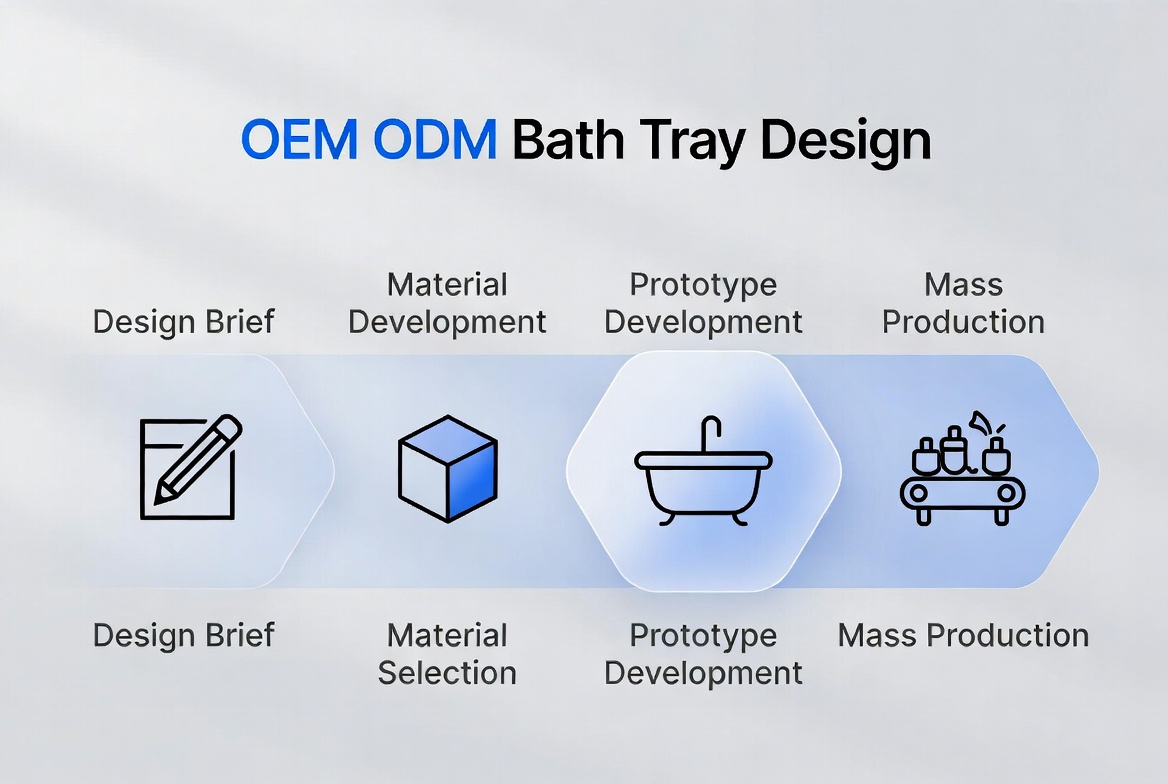
● From OEM/ODM Perspective – Matching Tray Type to Target Customers
>> When Metal Mesh Is the Better Fit
>> When Solid Surface Trays Shine
● Practical Buying Checklist – How to Evaluate Bath Tray Drainage
>> 7-Step Drainage Evaluation Checklist
● Hybrid and Next-Generation Designs – Combining Form and Function
● How Jiaxing Miluo Smart Home Co., Ltd. Supports OEM/ODM Drainage Optimization
● Which Is Best for Product Drainage? A Clear, User-Focused Verdict
● Summary Table – Metal Mesh vs Solid Surface for Drainage
● Call to Action – Designing Your Next High-Performing Bath Tray
● Frequently Asked Questions (FAQ)
>> 1. Which tray is better for preventing mold growth?
>> 2. Can a solid surface bath tray achieve the same drainage as metal mesh?
>> 3. How do I explain maintenance requirements to customers?
>> 4. What should OEM/ODM buyers prioritize when specifying bath tray drainage?
>> 5. Are hybrid bath trays worth adding to a product line?
A solid surface bath tray generally offers better long-term product drainage and hygiene than a basic metal mesh caddy, as long as it is engineered with proper channels, slots, and surface angles, while metal mesh remains the more forgiving "plug-and-play" choice for effortless drainage in everyday use. [uaateam]
As someone who has worked closely with OEM and ODM bathroom product lines for overseas brands, I've seen how a seemingly simple accessory—like a bath tray—can make or break the user's daily experience. [phocos]
In this guide, we'll go beyond surface-level pros and cons to compare metal mesh caddies and solid surface bath trays from a drainage, hygiene, durability, and design perspective, while also sharing how a professional manufacturer like Jiaxing Miluo Smart Home Co., Ltd. can help you specify the right solution for your market. [uaateam]
In real bathrooms—not showrooms—bath trays regularly face standing water, soap residue, and cosmetic spills, all of which can shorten product life and introduce hygiene risks if drainage is poorly designed. [uaateam]
For brands and wholesalers, this is more than a comfort issue: complaints about moldy trays, rusty caddies, or slimy soap pools often show up in user reviews and can damage perceived product quality and brand trust. [builtrightdigital]
Key reasons drainage performance matters:
- Hygiene: Poor drainage encourages mold, mildew, and bacterial growth on tray surfaces, soaps, and accessories. [uaateam]
- Product longevity: Constant contact with water can degrade metal finishes, wood fibers, and seals, leading to premature failure. [uaateam]
- User satisfaction: A tray that stays damp or stains quickly feels "cheap" and leads to returns or negative feedback—even if the core material is premium. [builtrightdigital]
- Brand perception: For OEM/ODM projects, drainage issues are often interpreted as design flaws, not user misuse, reflecting directly on the brand and its supplier. [phocos]
Metal mesh bath caddies are typically manufactured from stainless steel or coated iron wires, formed into an open grid that allows water to fall through almost instantly. [uaateam]
The perforated structure also accelerates evaporation, meaning both the tray and the stored items return to a dry state relatively quickly after use. [uaateam]
Advantages of metal mesh for drainage:
- Immediate water release: Open grids prevent water pooling on the tray surface. [uaateam]
- Enhanced airflow: Ventilation dries loofahs, brushes, and soap faster, reducing odor and microbial growth. [uaateam]
- Lightweight construction: Easier to reposition or lift for cleaning, reducing the chance of stagnant water under the tray. [uaateam]
However, drainage performance can be undermined by material choice and finish:
- Lower-grade iron meshes may rust if coatings wear off, especially at welded joints and cut edges. [uaateam]
- Fine mesh patterns can trap soap scum, requiring more frequent scrubbing to keep the surface clean. [uaateam]
"Solid surface" in consumer language covers a wide range of materials, from bamboo and teak to engineered stone, marble, and plastic composites, all of which share one trait: a continuous, non-perforated surface. [uaateam]
Without deliberate drainage features, any water on these trays tends to sit, pool, and spread, which can stain the surface and promote mold, especially on organic materials like wood. [uaateam]
Still, when properly engineered, solid surface trays can achieve highly controlled drainage by combining:
- Shallow grooves or channels that guide water toward the edges. [uaateam]
- Subtle slopes that allow water to run off instead of stagnating under bottles or accessories. [uaateam]
- Partial openings or slats that combine the elegance of a solid surface with targeted drainage slots. [uaateam]
This is where OEM/ODM customization becomes crucial: by adjusting groove depth, slat spacing, and surface angles, manufacturers can significantly upgrade drainage performance without compromising premium aesthetics. [wevolver]

Beyond material choice, structural design strongly affects how each tray behaves with water. [uaateam]
In practical use, a few design elements consistently separate high-performing trays from problematic ones. [uaateam]
Metal mesh design strengths:
- Open grid surface: Water escapes instantly; there are no "puddles" under soaps or bottles. [uaateam]
- Raised feet or pads: Elevate the tray from the tub edges, allowing water and air to circulate underneath. [uaateam]
- Hooks and side racks: Move wet items (loofahs, cloths) away from the main surface, preserving a drier platform for books or electronics. [uaateam]
Solid surface design optimizations:
- Drainage grooves: Shallow channels etched into the surface guide water away from high-contact zones. [uaateam]
- Compartment shaping: Recesses with micro-drain notches or sloped bottoms reduce water retention under bottles or cups. [uaateam]
- Edge design: Slightly chamfered or lowered edges can allow water to overflow into the tub rather than staying trapped. [uaateam]
From a UX perspective, the ideal bath tray doesn't make users think about drainage at all—it passively manages water while keeping priority items stable and accessible. [wellows]
Metal mesh trays are often regarded as low-maintenance, but longevity and hygiene still depend on basic care routines. [uaateam]
With consistent exposure to hot water, soap, and bath oils, both stainless and coated metals need periodic cleaning to avoid buildup and corrosion. [uaateam]
Best practices for metal mesh maintenance:
- Rinse and wipe dry after extended baths, especially if bath salts or oils were used. [uaateam]
- Avoid harsh abrasives that can damage protective coatings or scratch stainless surfaces. [uaateam]
- Inspect welds and joints periodically for early signs of rust in non-stainless models. [uaateam]
When these steps are followed, users often report many years of reliable service from stainless mesh caddies, particularly in mid- to high-end bathroom lines. [uaateam]
Solid surface trays typically demand more deliberate maintenance, especially when made from bamboo, teak, or natural stone. [uaateam]
Without proper care, water pooling can lead to swelling, discoloration, or even cracking over time. [uaateam]
Typical maintenance requirements include:
- Periodic oiling for wood-based trays to preserve moisture balance and prevent warping. [uaateam]
- Sealant application for stone surfaces to reduce water penetration and staining. [uaateam]
- Gentle cleaning after use to remove soap residue, followed by thorough drying of both the top surface and underside. [uaateam]
From a brand standpoint, clear user instructions about care routines (either in packaging or digital manuals) significantly reduce post-purchase dissatisfaction and warranty claims. [semrush]
The tray you choose directly affects the lifespan and cleanliness of the items placed on it. [uaateam]
Poor drainage leads to soggy soaps, discolored bottle bases, and musty-smelling accessories—issues that frequently appear in real-world customer reviews for bath accessories. [builtrightdigital]
Metal mesh health and product benefits:
- Faster drying of soaps and brushes reduces bacterial and fungal growth. [uaateam]
- Reduced contact time between product and water helps solid soaps last longer and keeps handles or labels intact. [uaateam]
Solid surface considerations:
- Flat pools under soap dishes can accelerate soap dissolution and create sticky residues. [uaateam]
- Cosmetics and skincare stored in standing water can develop mold halos around bottle bases, which users perceive as unsanitary even if the product itself remains safe. [uaateam]
For brands positioning themselves around spa-like wellness experiences, aligning tray design with hygiene expectations is critical for authenticity and E-E-A-T-style trust signals. [straightnorth]
In premium bathroom settings, a bath tray serves as both a functional accessory and a visual focal point. [uaateam]
Solid surface trays usually win on visual warmth and material richness, while metal mesh excels at a light, technical aesthetic. [uaateam]
Solid surface aesthetic strengths:
- Natural wood, stone, or engineered solid surfaces project luxury and warmth, aligning with spa, Nordic, or contemporary design trends. [uaateam]
- They can serve as a styling platform for candles, glassware, and decor, turning the bathtub into a "staged" relaxation zone. [uaateam]
Metal mesh visual strengths:
- Slim, clean lines suit modern, industrial, or minimalist bathrooms. [uaateam]
- Matte or brushed finishes can soften the utilitarian look while keeping the design lightweight and visually unobtrusive. [uaateam]
For OEM/ODM buyers, this distinction matters: metal mesh lines often sit in entry and mid-tier collections, while solid surface trays fit mid-to-high-end positioning, especially when paired with freestanding tubs or designer faucets. [phocos]
Drawing on OEM/ODM project patterns, certain user profiles tend to align more naturally with one tray type or the other. [wevolver]
Metal mesh caddies generally perform best for:
- High-usage family bathrooms, where multiple users and products crowd the tray. [uaateam]
- Rental properties and hospitality, where maintenance staff prefer fast-drying, easy-to-clean accessories. [builtrightdigital]
- Cost-sensitive product lines, where the priority is reliable drainage at an accessible price point. [uaateam]
In these segments, the risk of rust must be addressed through material and coating selection; stainless steel with quality finishing remains the most robust choice. [uaateam]
Solid surface trays excel for:
- Design-led homeowners who prioritize aesthetics, warm materials, and a cohesive bathroom look. [uaateam]
- Premium hospitality or boutique hotels, where trays double as decorative staging for amenities. [uaateam]
- Brand lines focused on wellness and spa rituals, where a stable surface for books, tablets, or wine glasses is a key selling point. [uaateam]
Here, OEM and ODM partners can differentiate by offering custom grooves, branded engravings, colorways, and matching accessories that elevate perceived value while maintaining responsible drainage. [wevolver]
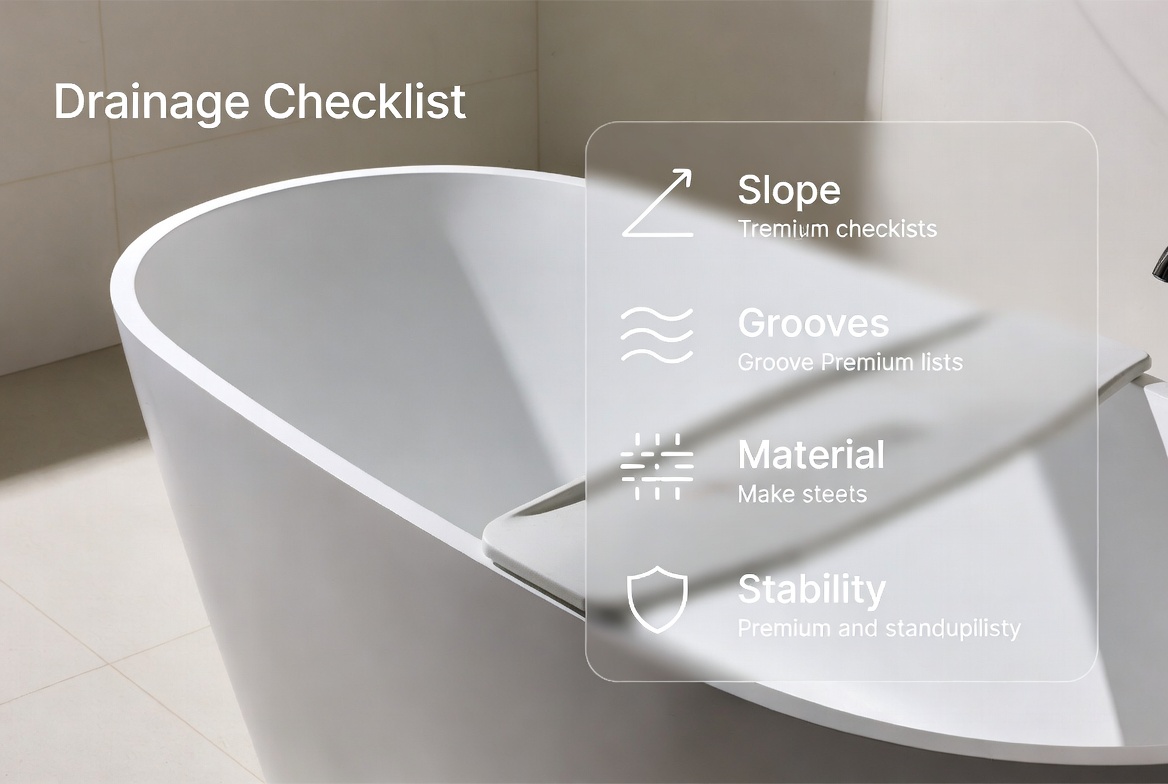
From both a consumer and professional buyer perspective, evaluating drainage should be a structured process, not just a visual impression. [wellows]
1. Surface structure: Check whether the tray includes vents, grooves, or slats, or if it's fully flat. [uaateam]
2. Slope and angle: Gently pour water and see whether it runs off or stays in place under common storage zones. [uaateam]
3. Material finish: Look for sealed woods, coated metals, or polished stone with appropriate protective treatments. [uaateam]
4. Product placement zones: Identify where soaps, bottles, and devices will sit, and test those areas specifically. [uaateam]
5. Underside design: Confirm that the bottom doesn't trap water against the tub surface. [uaateam]
6. Weight and stability: Ensure that the tray remains stable when loaded while still being easy to remove for cleaning. [uaateam]
7. Care instructions: Favor products with clear maintenance guidelines, which signal thoughtful design and brand responsibility. [semrush]
Following these simple steps gives retailers and end users a more reliable indicator of long-term drainage performance than appearance alone. [wellows]
One trend we see in modern bathroom projects is the move toward hybrid bath trays that blend the strengths of metal mesh and solid surface concepts. [builtrightdigital]
These designs often feature a solid central platform for books or devices, flanked by vented or slotted areas for soaps and accessories. [uaateam]
Key hybrid strategies include:
- Solid core with cut-out channels where high-moisture items sit. [uaateam]
- Removable mesh inserts or soap racks integrated into a solid tray system. [uaateam]
- Mixed materials (e.g., solid surface body with stainless drainage bars) that balance warmth and drainage. [uaateam]
For OEM/ODM buyers, hybrid trays provide a distinct positioning opportunity—they can be marketed as "designed for drainage" without sacrificing the premium look that end users expect in modern bathrooms. [phocos]
As a manufacturer specializing in customized modern high-end bathroom solutions, Jiaxing Miluo Smart Home Co., Ltd. can collaborate with overseas brands, wholesalers, and producers to engineer drainage-optimized bath trays aligned with specific market needs. [wevolver]
What our OEM/ODM partners typically request:
- Tailored mesh density, wire thickness, and finishing for metal caddies to balance strength, weight, and rust resistance. [uaateam]
- Custom groove patterns and slopes for solid surface trays that match brand aesthetics while ensuring effective water management. [uaateam]
- Coordinated sets—bathtub trays, shelving, and accessories—with consistent material and color stories for stronger on-shelf and online presence. [uaateam]
By combining engineering insights, real-world use feedback, and brand requirements, we help partners reduce product returns, elevate user satisfaction, and build repeat business in their target regions. [straightnorth]
When drainage is the single most important factor, a well-constructed metal mesh caddy remains the safest choice for general consumers thanks to its open grid and naturally fast drying. [uaateam]
However, for brands and users willing to invest in well-designed solid surface trays with engineered drainage, it is possible to achieve comparable performance while delivering a more luxurious visual and tactile experience. [uaateam]
In practice, the best choice comes down to balancing:
- Drainage and hygiene priorities
- Desired aesthetic and price point
- Maintenance willingness
- Target user lifestyle (family, rental, premium spa, etc.) [wellows]
| Aspect | Metal Mesh Caddy (Drainage) | Solid Surface Bath Tray (Drainage) |
|---|---|---|
| Surface structure | Open grid, immediate water release and airflow (uaateam) | Flat or lightly grooved surface, water can pool without design features (uaateam) |
| Drying speed | Very fast due to ventilation (uaateam) | Moderate, depends on grooves, slope, and user drying habits (uaateam) |
| Hygiene impact | Reduces mold and bacteria risk when properly cleaned (uaateam) | Higher risk of pooled water and residue if not maintained (uaateam) |
| Maintenance complexity | Low to moderate, watch for rust and soap buildup (uaateam) | Moderate to high, especially for wood/stone surfaces (uaateam) |
| Aesthetic positioning | Functional, modern, industrial look (uaateam) | Warm, luxurious, design-led appearance (uaateam) |
| OEM/ODM customization | Mesh size, coating, dimensions easy to tune (phocos) | Grooves, slopes, materials offer high design flexibility (phocos) |
If you are a brand owner, wholesaler, or manufacturer planning your next bathroom product line, now is the time to rethink bath tray drainage as a core design feature, not an afterthought. [phocos]
Partnering with a specialized manufacturer like Jiaxing Miluo Smart Home Co., Ltd., you can co-develop metal mesh, solid surface, or hybrid trays that combine reliable drainage, premium aesthetics, and clear user care guidance for stronger long-term brand performance. [wevolver]
To explore OEM/ODM options, custom designs, or drainage-optimized tray concepts for your market, contact our team with your target customer profile, channel, and positioning, and we'll help you build a product roadmap tailored to your brand. [phocos]
A metal mesh caddy generally performs better at preventing mold because its open design minimizes standing water and promotes airflow, allowing surfaces and products to dry more quickly. [uaateam]
Well-designed solid surface trays can also resist mold, but they rely more heavily on user drying habits and regular cleaning. [uaateam]
Yes, but only if the tray incorporates engineered drainage features such as grooves, slopes, and slats that actively guide water away from high-contact areas. [uaateam]
In practical use, these trays come closest to metal mesh performance when users also follow basic drying and maintenance routines. [uaateam]
For solid surface trays, include simple care instructions such as regular wiping, periodic oiling or sealing (for wood and stone), and avoiding prolonged water pooling. [uaateam]
For metal mesh trays, highlight the benefits of quick rinsing, gentle cleaning, and checking for early rust on non-stainless models. [uaateam]
Buyers should define target use scenarios, choose appropriate materials (e.g., stainless vs wood), and collaborate with manufacturers on surface structure, slope, coatings, and accessory integration. [wevolver]
Testing prototypes with real-use simulations (hot water, soaps, oils) before mass production is critical for validating drainage performance. [phocos]
Hybrid trays that combine solid platforms with vented or slotted zones are increasingly popular because they balance premium aesthetics with practical drainage. [uaateam]
For brands seeking differentiation in mid- to high-end segments, these products can become a signature feature in their bath accessory collections. [builtrightdigital]
- KingKonree. "Metal Mesh Caddy vs Solid Surface Bath Tray – Which Is Best for Product Drainage?" KingKonree official website. [uaateam]
- Semrush. "Google E-E-A-T: What It Is & How It Affects SEO." Semrush Blog. [semrush]
- Straight North. "How E-E-A-T Impacts SEO, Authority & Trust." Straight North Blog. [straightnorth]
- Wellows. "E-E-A-T Checklist for SEO: Strengthen Content with LLM Insights." Wellows Blog. [wellows]
- UAATEAM. "SEO Strategy for Luxury Bath Vanities." UAATEAM Digital Case Study. [uaateam]
- Phocos. "OEM / ODM Service and Customization 101 (Part 3 of 3)." Phocos Industry Insight. [phocos]
- Wevolver. "OEM vs ODM Manufacturing: A Comprehensive Technical Guide for Engineers." Wevolver. [wevolver]
- Builtright Digital. "Bathroom Remodeling SEO: Guide to Predictable Leads." Builtright Digital Blog. [builtrightdigital]


